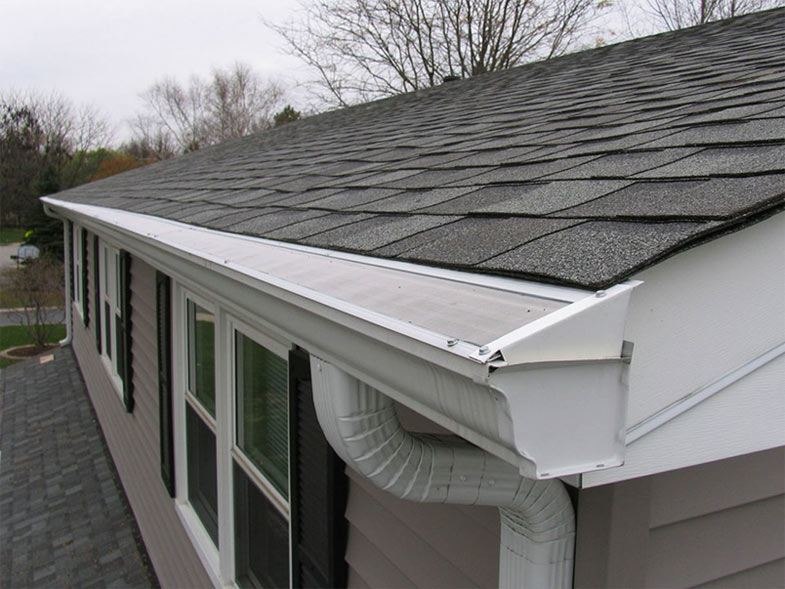
Gutter Screens for Philadelphia, PA Homes
Gutter screens are the practical answer to one of the most common questions Philadelphia homeowners ask: how do I keep my gutters from clogging between cleanings? A gutter screen is a fine mesh or perforated cover that sits over the gutter, letting rainwater flow through while blocking leaves, twigs, pine needles, and the maple “helicopters” and ginkgo fruit that fill gutters across the Delaware Valley every spring and fall. For a region with more than 120 precipitation days a year and a dense street-tree canopy, a well-fitted screen turns a monthly chore into something you barely think about.
The distinction worth knowing up front: not all gutter screens are equal. The flimsy plastic or loose aluminum screens sold at hardware stores sit unevenly, lift at the edges, and get buried under debris within a season. A rigid, corrosion-proof screen engineered for your specific gutter width—and installed by a professional—is the version that actually keeps water moving through Philadelphia’s wettest stretches.
What a Gutter Screen Does for Your Home
A gutter screen serves two jobs at once. First, it blocks the debris that causes clogs, so water can always reach the downspout. Second, it prevents the standing water that a clog creates—and standing water in a gutter is more than an eyesore. It corrodes the gutter from the inside, adds weight that pulls fasteners loose, and gives mosquitoes a place to breed close to your home. In a humid, wet-climate metro like Philadelphia, where mosquito season runs long and neighbors live inches apart on a rowhouse block, keeping gutters free of standing water matters for the whole street. The EPA’s integrated mosquito-control guidance identifies eliminating standing water as a core step in reducing mosquitoes around a property—and a debris-free gutter is part of that picture.
Why Philadelphia’s Debris Load Calls for a Fine-Mesh Screen
Philadelphia’s tree canopy is both a point of pride and a year-round gutter challenge. The maple, oak, sycamore (London plane), ginkgo, elm, sweetgum, and flowering cherry planted along city streets and suburban lots shed on a rolling schedule—catkins and maple helicopters in spring, heavy leaf drop from October through November, and ginkgo fruit into early winter. A coarse screen with large openings lets the small, flat seeds through, where they collect in the gutter and start the next clog. That is why GutterDome’s standard screen uses a #40 mesh stainless steel screen (1600 holes per square inch, 400 microns)—fine enough to stop the smallest seeds while still passing the volume of water a summer thunderstorm or a nor’easter delivers.
Roof type shapes the choice too. On the historic brick row homes that define neighborhoods like Society Hill, Manayunk, and Roxborough, the gutters are often old and the roof flat or low-slope, so the screen has to shed debris without relying on a steep pitch to do the work. On the slate and standing-seam metal roofs of Chestnut Hill, Germantown, and the Main Line suburbs, the screen has to tuck cleanly under the roofline and hold its shape for decades. For the full picture of how these guards are engineered, see our article on gutter protection for Philadelphia, PA and the gutter guards overview.
Choosing the Right Gutter Screen for a Philadelphia Home
The right screen depends on three things: your gutter width, your roof pitch, and what your specific trees drop. GutterDome’s screen line is built to match each:
- GutterDome (GD45)—a #40 mesh screen for standard 4”–5” gutters, the default choice for most row homes and suburban houses.
- GutterDome (GD67)—a #40 mesh screen sized for larger 6”–7” gutters on bigger homes and mixed-use buildings.
- GutterDome Magma (GD45M)—a #20 mesh screen (400 holes per square inch, 842 microns) with open, high-flow shedding for heavy downpours and snow regions.
- GutterDome Magma (GD67M)—the high-flow design for larger gutters.
- GutterDome Adjustable (GD45A)—a #40 mesh screen with a 1” narrower back wing for steep pitches and mansards where you cannot tuck under the roofing.
- GutterDome uPVC (GD45P)—a white uPVC body with a #30 mesh stainless steel screen (900 holes per square inch, 595 microns) for corrosion- and UV-resistant, low-maintenance applications.
Every screen is made from surgical-grade T304 stainless steel mesh set into 6063 extruded aluminum, tempered to T5 strength with a corrosion-proof anodized finish—materials chosen to survive Philadelphia’s freeze-thaw winters and humid summers without rusting or warping like budget screens.
Ready to find the right gutter guard for your Philadelphia home? Contact your local GutterDome Dealer today for a free, no-obligation estimate.
Gutter Screens vs. Cleaning: What Actually Changes
Installing a screen does not mean you never look at your gutters again—it means the job shifts from scooping out heavy, matted leaf packs to an occasional rinse of the mesh surface. For a three-story rowhouse on a narrow block, or a two-story colonial in the suburbs, that difference removes the most dangerous part of home maintenance: the extension-ladder climb. Most Philadelphia homeowners who switch report cleaning once or twice a year at most, instead of every few weeks during peak leaf season. If you want to understand what maintenance still makes sense after installation, read our guide to gutter cleaning in Philadelphia, PA.
What Separates a Quality Gutter Screen From a Hardware-Store One
Walk the gutter aisle of any big-box store and you will find cheap screens in two forms: loose plastic mesh and thin, flexible aluminum sheets that sit on top of the gutter. Both fail the same way in a Philadelphia climate. The plastic degrades under UV and cracks in the cold; the thin aluminum lifts at the edges in the wind, catches debris on top, and bends when a branch falls. Within a season or two they sag into the gutter, where they make the clog worse instead of better.
A quality screen is different by design. It is rigid, so it holds its shape and pitch; it is made of stainless steel mesh set in extruded aluminum, so it does not rust, crack, or blow off; and it is fitted to the exact width of your gutter rather than cut to a generic size. That rigidity is what lets the screen keep shedding debris year after year, and it is why the installed product—matched to your home by a Dealer—is what actually delivers the “never clean again” experience that loose screens only promise.
Frequently Asked Questions
Q: Do fine-mesh gutter screens clog themselves?
A: The quality rigid screen sheds most debris with rain and wind rather than collecting it. Coarse or flat screens can catch debris on top; GutterDome’s domed profile lets water flow beneath debris so the screen keeps passing water even when leaves rest on the surface.
Q: Will a gutter screen work on an older rowhouse gutter?
A: Yes, provided the existing gutter is in sound shape. A GutterDome Dealer inspects the gutter and fascia during the estimate and matches the screen to the exact width and profile of your gutters.
Q: Can gutter screens help with mosquitoes?
A: They help by preventing the standing water where mosquitoes lay eggs. Removing that standing water—and the organic sludge that holds it—is a recognized part of mosquito control around a home.
Q: Which mesh size is right for Philadelphia?
A: For most homes, the #40 mesh (400 microns) is the best balance of fine filtration and water flow. Homes with heavy leaf load or snow regions may prefer the #20 high-flow Magma design, which your Dealer can recommend after seeing your trees and roof.
Get a Screen That Fits Your Philadelphia Home
From Center City and South Philly to Bucks, Chester, Montgomery, and Delaware counties, Philadelphia-area homes share the same tree cover and the same wet-weather stress on their gutters. A properly fitted gutter screen is the low-maintenance way to keep them clear.
Get a Price today to see what GutterDome gutter screens would cost on your Philadelphia, PA home.