Leaf Filters from GutterDome Keep Your Gutters Clear of Leaves and Debris
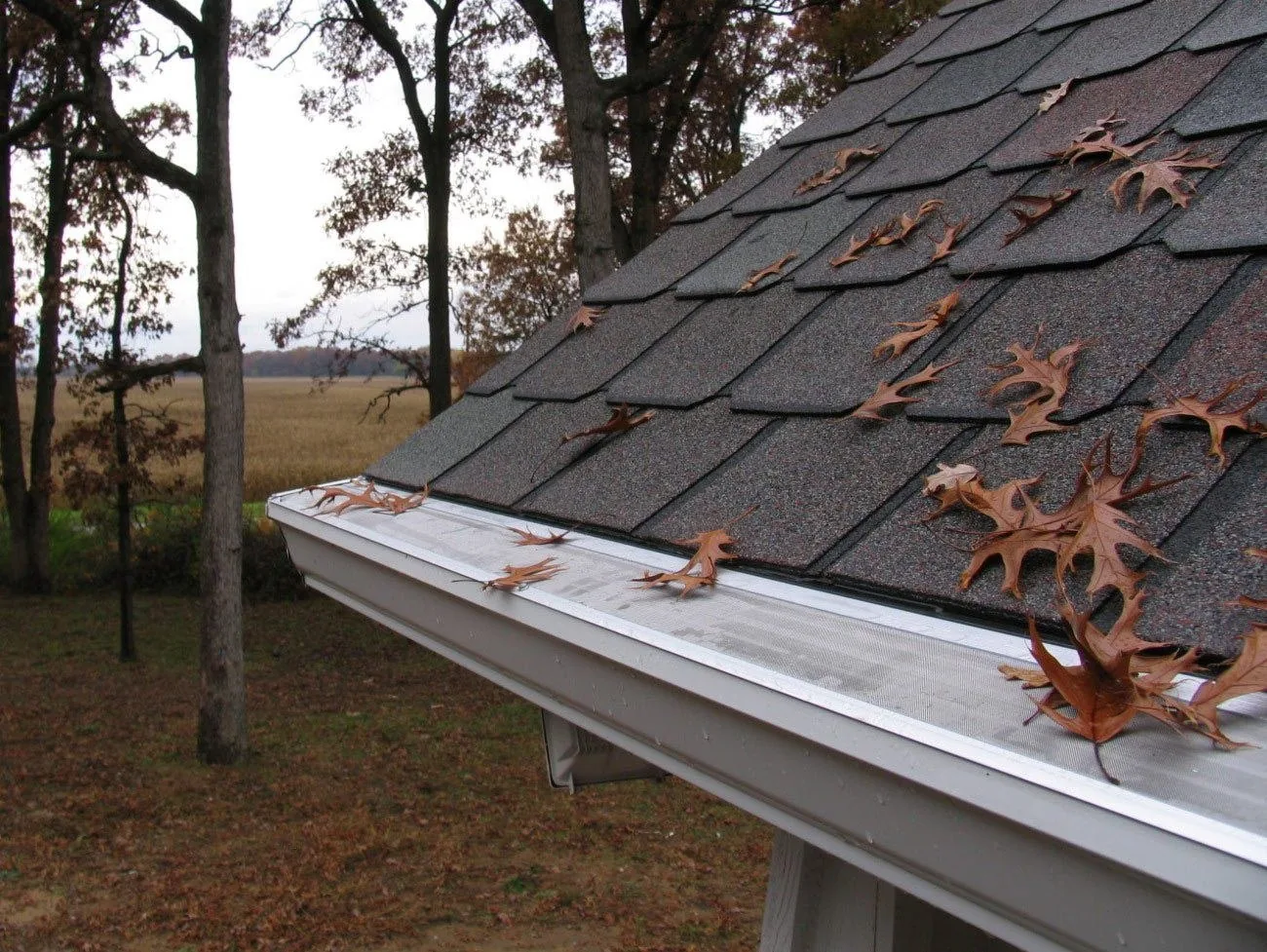
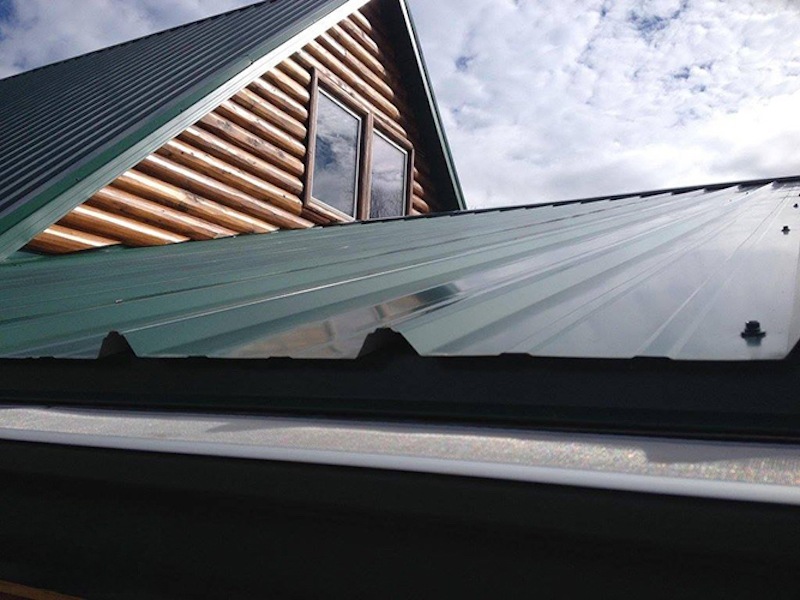
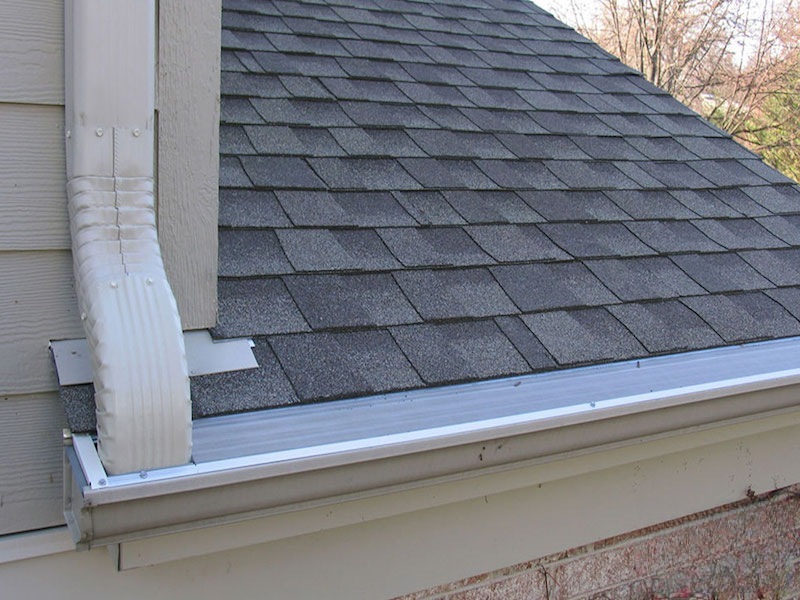
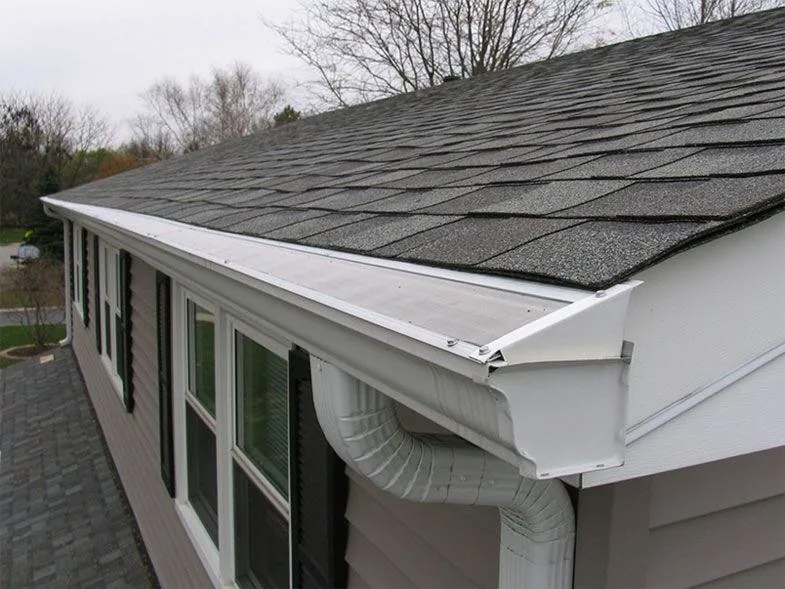
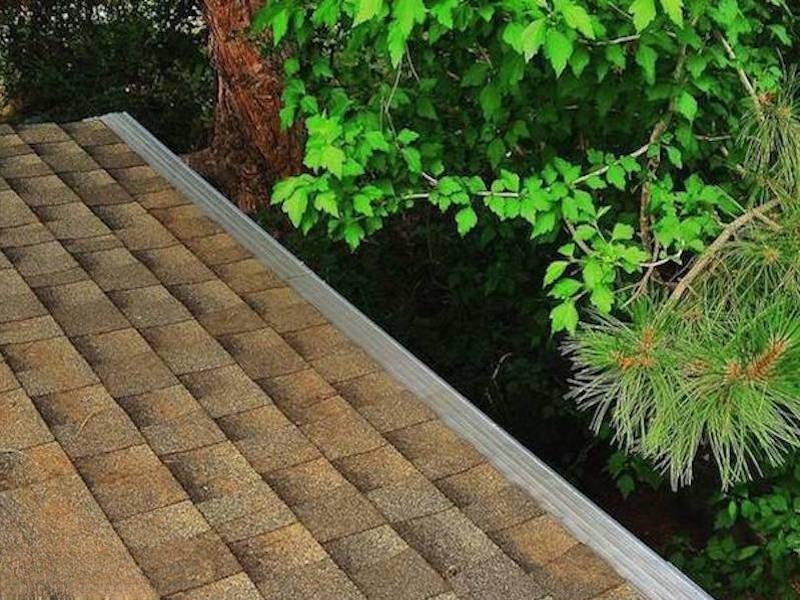
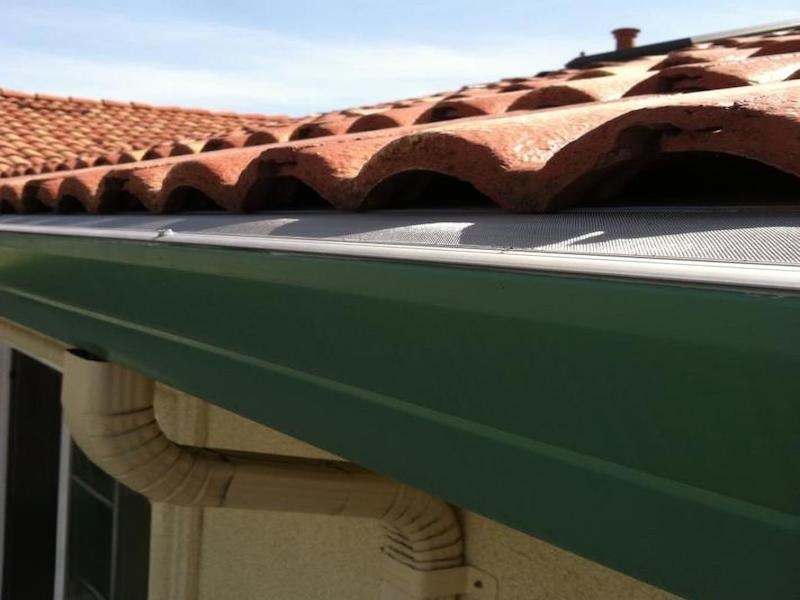
Leaf filters are gutter guards fitted over the gutter opening that pass rainwater through a mesh while blocking leaves, seed pods, roof grit and pine needles. Mesh size and frame material decide whether a filter keeps working: fine stainless mesh on a rigid aluminum frame stays clear, while coarse screens and plastic inserts load up and clog.
How Gutter Leaf Filters Work
A leaf filter is a cover, not a basket. It sits on top of the gutter, so the water has to leave the roof, cross the filter surface, and drop into the channel underneath. Debris stays on top, where wind and rain move it off the edge. Everything about the product comes down to three parts: the surface that does the filtering, the frame that holds that surface flat, and the fastening that keeps the whole assembly attached to the roof or the fascia for the next twenty years.
Homeowners use several names for the same job. Leaf guard, gutter screen, gutter cover, gutter topper and leaf filter all describe a device that keeps debris out of the gutter channel. The names are not interchangeable as products, though, and the differences matter more than the label.
Leaf Filters Compared With Other Gutter Guards
- Screens are the oldest form: a coarse mesh or perforated metal laid over the channel. Cheap, quick, and the first thing to sag or tear. Small debris, roof grit and pine needles pass straight through a coarse screen.
- Foam and brush inserts sit inside the gutter and let water soak through the insert itself. The insert becomes the filter media, so fine debris works into it until it stops draining. Most are replaced every couple of seasons.
- Reverse-curve covers depend on surface tension to pull water around a curved lip and into the gutter. They shed leaves well, but heavy flow overshoots the curve and the water lands on the ground beside the house.
- Micro-mesh guards combine a fine stainless-steel mesh surface with a rigid frame. The mesh is fine enough to hold pine needles and shingle grit on top while water passes through, which is the design that keeps the gutter clear rather than the design that sheds the biggest leaves.
Why Mesh Size Decides Performance
Mesh is counted in openings per linear inch, and the count sets two competing numbers: how much water the surface can pass, and how small a particle it will hold on top. A 20-mesh surface passes water fast and suits high-flow runs and snow country. A 40-mesh surface filters finer and holds smaller debris, which is the fit where pine needles and shingle grit are the constant load. Neither is better in the abstract; the debris on your roof picks the answer. GutterDome publishes both the mesh count and the alloy for every model, and the micro-mesh construction is worth understanding before you compare prices.
The frame matters as much as the mesh. Thin roll-formed aluminum is sheet bent into shape, and it pits and deforms over a few seasons of rain and freeze-thaw. An extruded profile is pressed through a die as a solid section, tempered to T5 and clear-anodized, so it holds its shape and does not rust out from under the mesh.
Where Cheap Leaf Filters Fail
The failure modes are consistent, and they show up in the first five years. Plastic and foam degrade under ultraviolet light and go brittle. Coarse screens tear at the fasteners, especially where a ladder has been leaned on them. Roll-formed frames sag between hangers, which opens a gap at the ends where debris walks straight into the channel. And the low-bid installation, the one that slides a panel under the first course of shingles without fastening it, lifts in the first hard wind.
A leaf filter that holds debris and stops draining is worse than an open gutter. Water backs up, spills over the fascia, and lands against the foundation. The Insurance Information Institute's guidance on protecting a home from water damage puts roof drainage in the first tier of prevention for a reason: the water has to be moved away from the house, not just off the roof.
Shingle grit is the quiet one. Every asphalt roof sheds granules for its entire life, and those granules are heavy enough to sit in the channel and fine enough to pass a coarse screen. Over a decade they build a layer that holds moisture against the gutter floor, which is where rust-through starts on a steel gutter and where the first clog forms on a covered one.
The GutterDome Leaf Filter Range
GutterDome makes extruded aluminum guards and one uPVC profile, all installed by Authorized Dealers:
- GutterDome (GD45 and GD67): the 40-mesh guards, sized for standard and wide gutters across North America.
- Magma (GD45M, GD67M and GD45AM): the 20-mesh high-flow guards for inside miters, high-flow runs and snow country, with an optional integrated heat-trace cable.
- Adjustable (GD45A): the 40-mesh guard for steep pitches above a 6/12 and fascia-mount installations, fastened with the Clynch Channel system where the guard cannot tuck under the roofing.
- uPVC (GD45P): the 30-mesh profile, the premium, value-priced option in the line, carrying a 20-Year Lifetime Limited Warranty.
Every aluminum profile is made from military-grade 6063 extruded aluminum, tempered to T5, with a surgical-grade T304 stainless-steel wire mesh surface, and carries a 30-Year Lifetime Limited Warranty that transfers with the home. Compare the profiles side by side on the leaf guards page, and see what a professional installation involves before you book an appointment.
Leaf Filters Through Winter
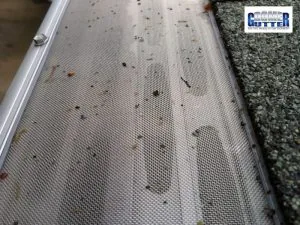
A filter that holds debris on top is doing its job in autumn. The risk arrives when that debris freezes in place. Snow melt refreezes at the roof edge, and a blocked channel gives the melt nowhere to go, so it backs up under the shingles. The National Weather Service's explanation of roof ice dams describes the mechanism in the same order: melting at the upper roof, freezing at the cold eave, and water backing up behind the ice. Keeping the channel clear through the thaw is the whole point of a guard, and it is why Magma carries the heat-trace option in snow country.
What to Ask Before You Buy
- What alloy and temper? A number and a temper, not a marketing word. 6063 at T5 is the specification to hold the seller to.
- What mesh count and what stainless grade? 20-mesh or 40-mesh, T304 or better. If the seller cannot answer either number, the product is a screen with a better name.
- Does the warranty transfer? A lifetime warranty that dies with the first owner is a marketing term.
- How does it fasten, and what happens above a 6/12 pitch? Tuck-under mounting does not work on every roof, which is what the fascia-mount profiles exist for.
- Who installs it? Guard performance is an installation question as much as a product question.
If you are choosing between systems for one specific roof, have the pitch, the gutter type and the debris load measured rather than estimated. Contact a local GutterDome Dealer and they will check the gutters and the roofline before you commit to a profile.
Common Questions About Leaf Filters
Do leaf filters stop gutter cleaning entirely?
No, and any product that promises zero maintenance is overselling. A properly specified leaf filter stops the annual clearing of the channel, which is the dangerous part of the job. An occasional check of the surface and the downspout outlets is still sensible, especially after a heavy storm season.
Are leaf filters the same as leaf guards?
The two phrases describe the same kind of product, and both are used across the trade. What separates one brand from another is the mesh count, the stainless grade, the alloy behind the mesh and the way the guard fastens, not the name on the box.
Do leaf filters work with pine needles?
Only if the mesh is fine enough. Pine needles are long and thin enough to thread through a coarse screen and to mat into a foam insert. A 40-mesh stainless surface holds them on top where they dry and blow off, which is why fine mesh is the usual recommendation for pine country.
How long do leaf filters last?
It depends on the material. A 6063 extruded aluminum profile with a T304 stainless surface is built to outlive the roof it sits on, and GutterDome backs the aluminum line with a 30-Year Lifetime Limited Warranty. Plastic and foam inserts typically need replacing within a few seasons.
Can leaf filters go on a steep roof?
Yes, with the right profile. Above a 6/12 pitch the guard usually cannot tuck under the roofing material, so a fascia-mount design that fastens to the gutter body is the fit. GutterDome's Adjustable line exists for exactly that case.
Ready to stop clearing gutters every fall?