Rainwater Harvesting and Gutter Guards
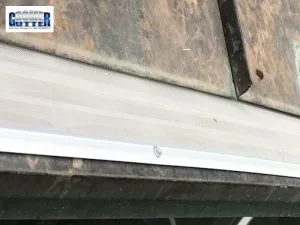
A rainwater harvesting system is only as good as what reaches the tank. Before the first flush, before the leaf screen at the downspout, before the cistern, the water has to leave the roof — and the roof is where the debris starts. This page is about the first stage of the system: the gutter guard, and what it does for everything downstream of it.
The Gutter Guard Is the First Stage of Any Catchment System
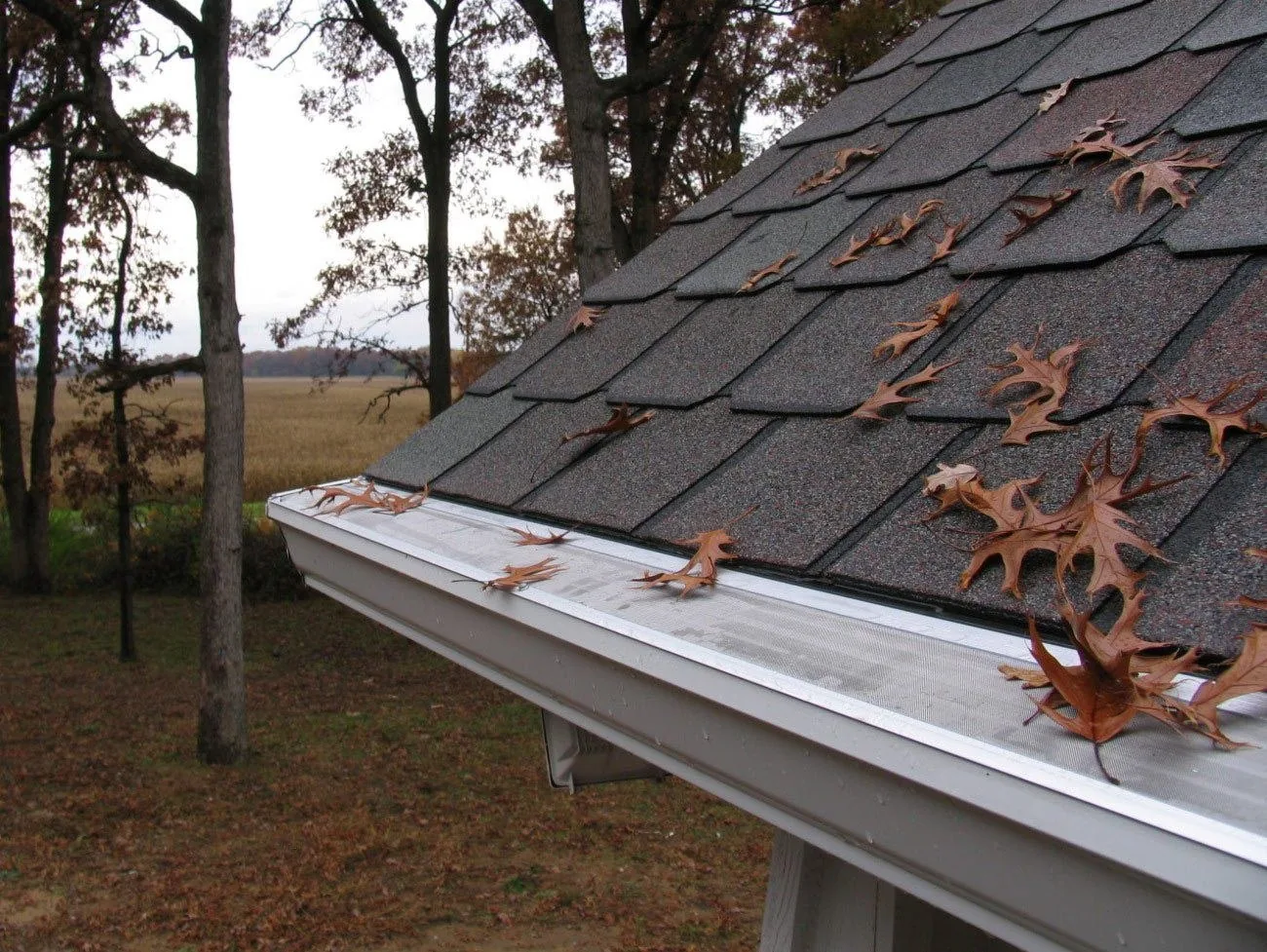
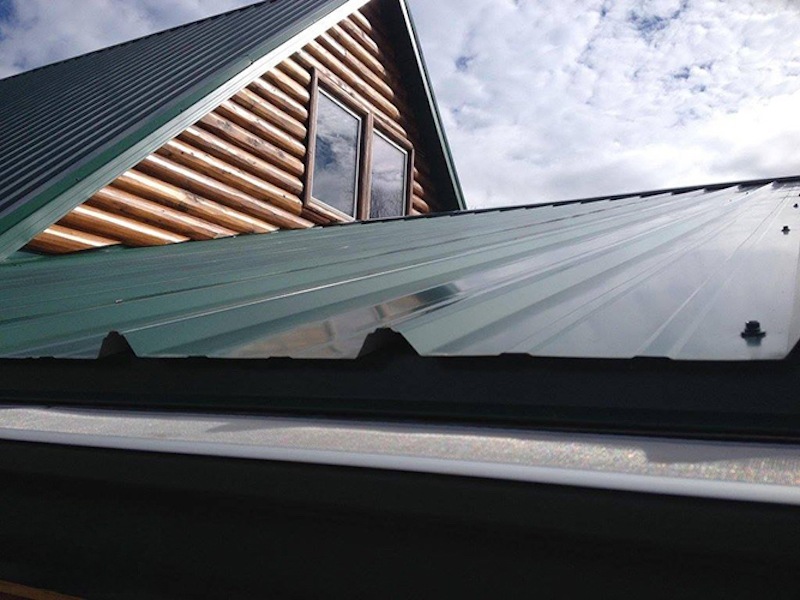
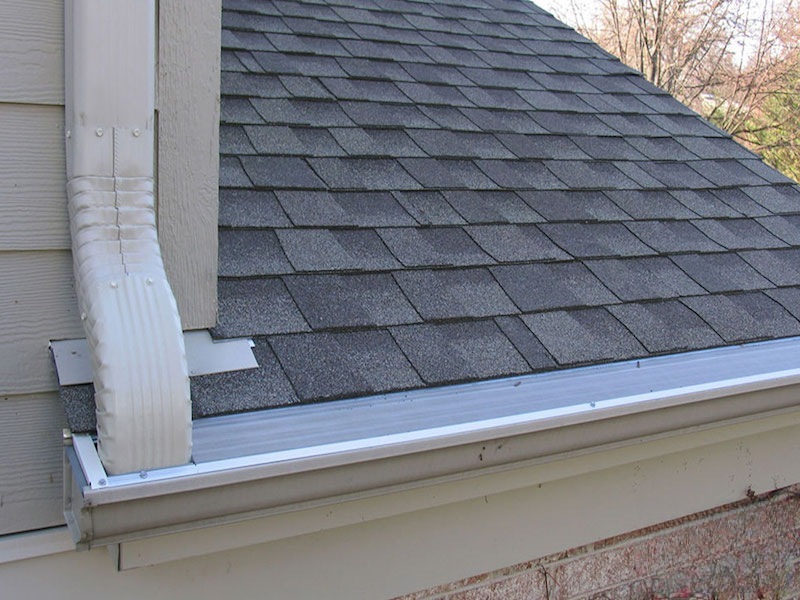
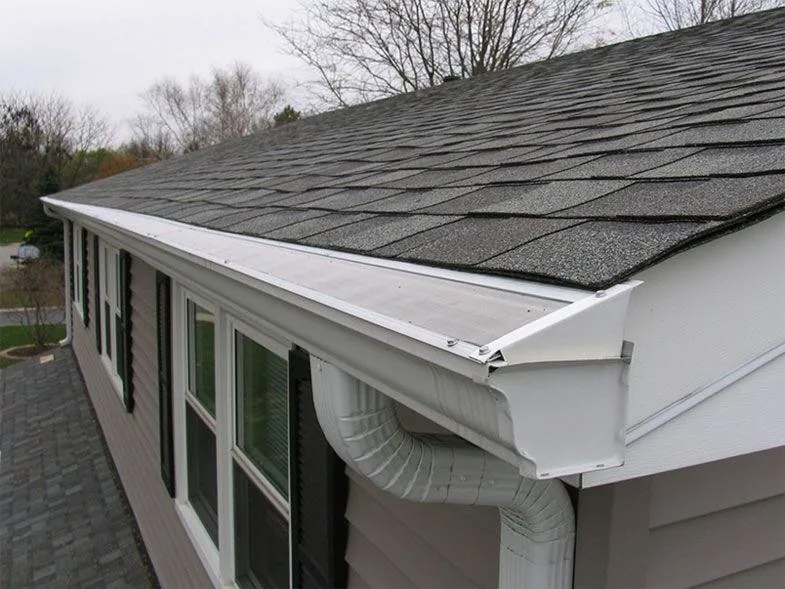
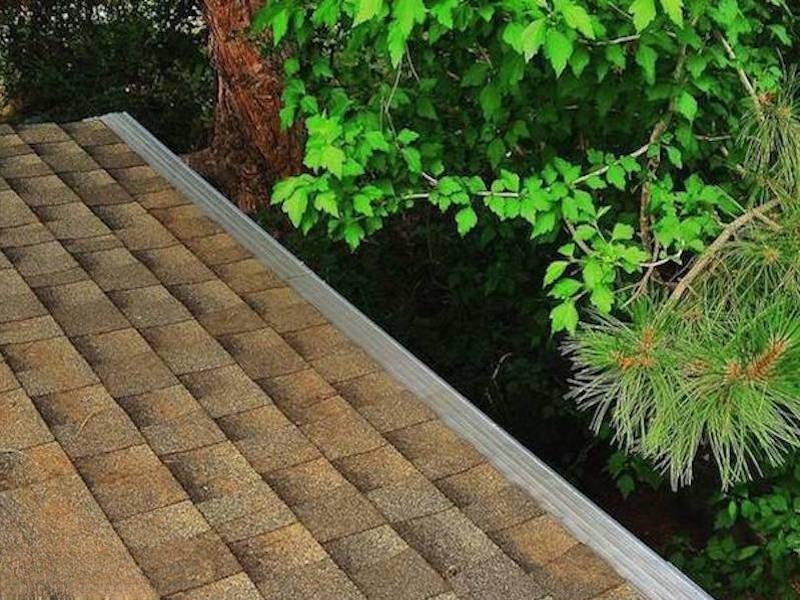
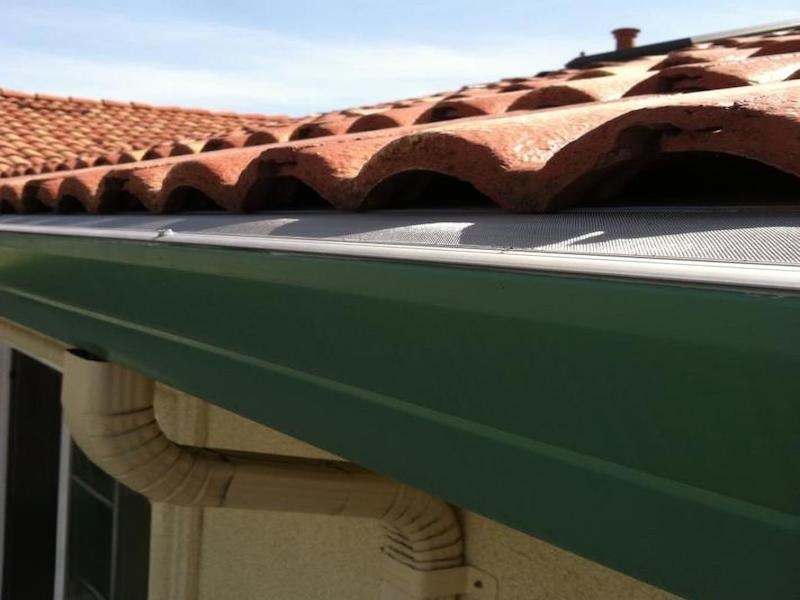
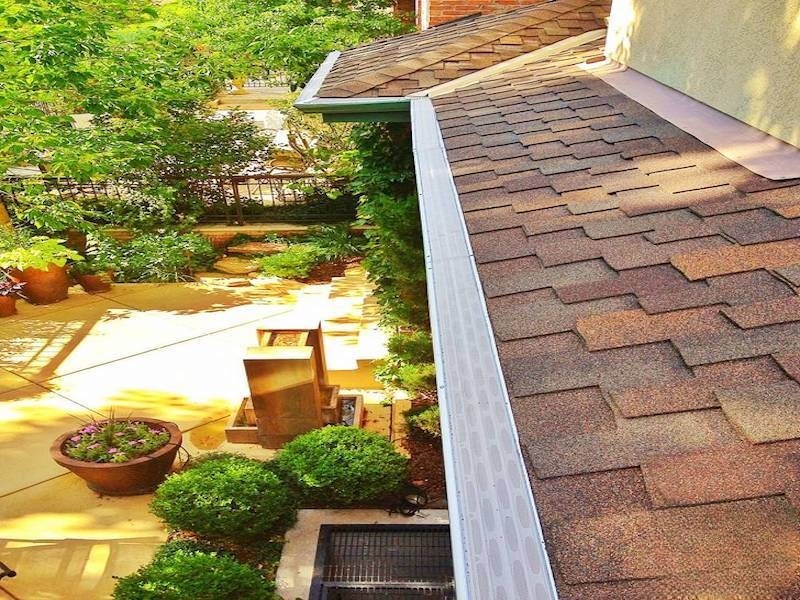
Roof runoff carries pine needles, roof grit, seed pods, shingle granules and whirly birds. A gutter guard keeps that material out of the gutter in the first place, so the water that leaves your roof is already cleaner when it reaches your first flush diverter, your secondary filters and your tank. GutterDome products offer superior first stage filtration for rainwater harvesting systems, making your secondary filters last longer and perform more efficiently. The mesh is the part that does the work — see how the micro-mesh is built.
That matters most at the filter train. Every stage after the gutter is sized for a flow it assumes is mostly clean. Debris that gets past the gutter is what clogs a first flush diverter, blinds a mesh screen and turns a tank inlet into a maintenance item.
What the Standards Cover, and What They Do Not
Rainwater catchment system design in North America is covered by ARCSA/ASPE/ANSI 63-2020, Rainwater Catchment Systems — a single plumbing engineering and design standard that covers both potable and non-potable rooftop catchment. In the plumbing code, the two cases are separated: Chapter 16 of the Uniform Plumbing Code covers nonpotable rainwater catchment systems and lists the permitted uses, and Appendix K covers potable systems and includes specific requirements for collection surfaces and materials.
The discussion on this page is about non-potable systems. GutterDome does not make a potability claim, and nothing here should be read as a water-treatment or water-quality statement.
What Harvested Rainwater Is Used For
The permitted non-potable uses are the practical ones: irrigation and landscape watering, wash-down and vehicle washing, water features, cooling tower makeup, industrial processes and toilet or urinal flushing where the local authority having jurisdiction approves it. EPA’s guidance on rain barrels treats the roof as the intake for all of it. Landscape architects plan catchment the same way, as part of a site’s water budget — see the American Society of Landscape Architects. Commercial and institutional sites with large roofs get the most out of catchment because storage scales with roof area.
How Much Rain Your Roof Can Actually Collect
The arithmetic is simple and worth doing before you size a tank. One inch of rain on one square foot of roof yields about 0.623 gallons, so:
annual rainfall (inches) × roof footprint (sq ft) × 0.623 = gallons per year
One inch of rain on a 1,000 sq ft footprint is 623 gallons. A 2,000 sq ft roof in a market that sees 17 inches a year — Sacramento's long-run average — works out to roughly 21,000 gallons a year running off the roof. Rainfall varies widely by market, so substitute your own annual figure; the multiplier does not change.
If you are sizing storage around a roof you have not measured, Contact a local GutterDome Dealer and they can check the gutters and the roofline before you buy a tank.
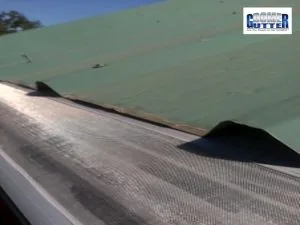
Two qualifications belong with that number. Capture is limited by how much storage you have, not by the roof — a system with 2,000 gallons of tank capacity cannot bank a 21,000-gallon year, and the surplus goes to the storm drain. And the figure assumes the water reaches the downspout: a gutter packed with debris sends a share of it over the edge instead.
What the System Asks of You Each Year
Every catchment system needs maintenance, and it is mostly annual. Clear and inspect the gutters, then work the system from the top down — roof, gutters, screens, first flush diverter, filters, tank inlet, tank. Sand and grit will settle in the tank over time, so plan a way to flush it out. Keep every tank opening screened, and where tanks are open or above ground, control standing water so the tank does not become a breeding site for mosquitoes.
Which GutterDome Lines Fit a Catchment System
The extruded aluminum lines are the fit for a harvesting system, and they carry the same published specification as the rest of the range: a 6063 extruded aluminum body with a surgical-grade T304 stainless-steel wire mesh surface, available across 20-mesh and 40-mesh depending on the model.
- GD45 and GD67 — the 40-mesh guards, sized for standard and wide gutters across North America.
- GD45M (Magma) and GD67M (Magma) — the 20-mesh high-flow guards for inside miters, high-water-flow runs and snow country, with the optional integrated heat-trace cable; GD67M is the wider width.
- GD45A (Adjustable) — the 40-mesh guard for steep pitches above a 6/12 and fascia-mount installs.
- GD45AM (Adjustable Magma) — the 20-mesh high-flow guard for inside miters, high-water-flow runs and snow country, with the optional integrated heat-trace cable; built for steep pitches above a 6/12 and fascia-mount installs.
Incentives for Harvesting Rainwater
A number of states and utilities reduce the cost of collecting rainwater — through sales-tax treatment on harvesting equipment, stormwater fee credits for managing rain on site, or direct rebates on barrels and cisterns. Your local GutterDome page carries the program that applies in your market. See the Dealer page for your area, or talk to your local Dealer about what your roof can collect.
Where We Cover Rainwater Harvesting
Gutter protection is the first stage of every catchment system we install, and we have Dealer coverage in these markets: Baltimore, Cleveland, Cincinnati, Columbus, Dallas, Erie, Indianapolis, Milwaukee, Minneapolis, Philadelphia, Portland, Richmond, Sacramento, Salt Lake City, San Francisco, San Jose, Seattle, and Spokane.
Ready to put gutter protection at the front of your catchment system?