Gutter Guards for Pests: What Actually Keeps Them Out
Gutters collect leaves, roof grit and shingle debris, and that debris holds water after the rain stops. Standing water is where mosquitoes breed, and damp, matted debris is where wasps, ants and rodents settle. A gutter guard's job here is narrow and useful: keep the debris out, so the run drains instead of sitting wet. That is a drainage fix, not pest control — and this page is straight about where the line sits.
Why a Gutter Becomes a Habitat
A clogged or slow-draining run does three things at once. It holds water in the trough. It holds wet debris against the roofline. And it carries both toward the downspout, where the flow slows and the material settles. Small amounts of standing water are enough — the EPA's own household guidance names rain gutters in a list that starts with old tires and buckets. The CDC's household guidance says the same thing from the public-health side: control the water and you control the habitat.
"Get rid of standing water in rain gutters, old tires, buckets, plastic covers, toys or any other container where mosquitoes can breed." That is the wording on the EPA's Success in Mosquito Control: An Integrated Approach page, and rain gutters come first.
The same page frames the household job plainly: "An important part of mosquito control around homes is making sure that mosquitoes don't have a place to lay their eggs."
What Actually Lives in a Neglected Gutter
- Mosquitoes — standing water, including the shallow film that sits in a sagging or debris-packed trough.
- Wasps and hornets — the protected end of a run, and the shaded gap behind a fascia.
- Carpenter ants and other ants — wet, decaying debris and the wood it touches.
- Rodents and birds — nesting material, and an open trough as a route along the roofline.
The common thread is not the animal. It is the standing water and the wet debris. Take those away and the habitat goes with them.
What the Research Says About Guards and Mosquitoes
This is the part most gutter pages leave out. A 2019 study in the Journal of the American Mosquito Control Association (Parker and Allan) fitted fifteen artificial gutters with two types of aftermarket guard — a foam insert and a metal lock-in mesh — filled them with a grass infusion, and watched what colonized them over eight weeks.
Every gutter, guarded or not, was colonized by mosquitoes. The unguarded controls ended up with the lowest larval abundance. The authors' conclusion, verbatim: "if standing water exists in a gutter, gutter guards are not an effective tool for mosquito control."
Read what that study tested, because it decides what you can take from it. The troughs were capped at both ends and topped up by hand, so standing water was maintained by design. The experiment was about a vessel that holds water — not about whether a guard keeps a real, sloped, draining gutter from holding water. What it establishes is the condition that matters: the water is the problem. A guard that keeps debris out helps keep that water moving. A guard that cannot, or a gutter that sags, changes nothing.
If your run is already holding water between storms, the fix starts with the drainage, not the animal. Contact a local GutterDome Dealer for a free in-home assessment.
What a Gutter Guard Does, and What It Does Not
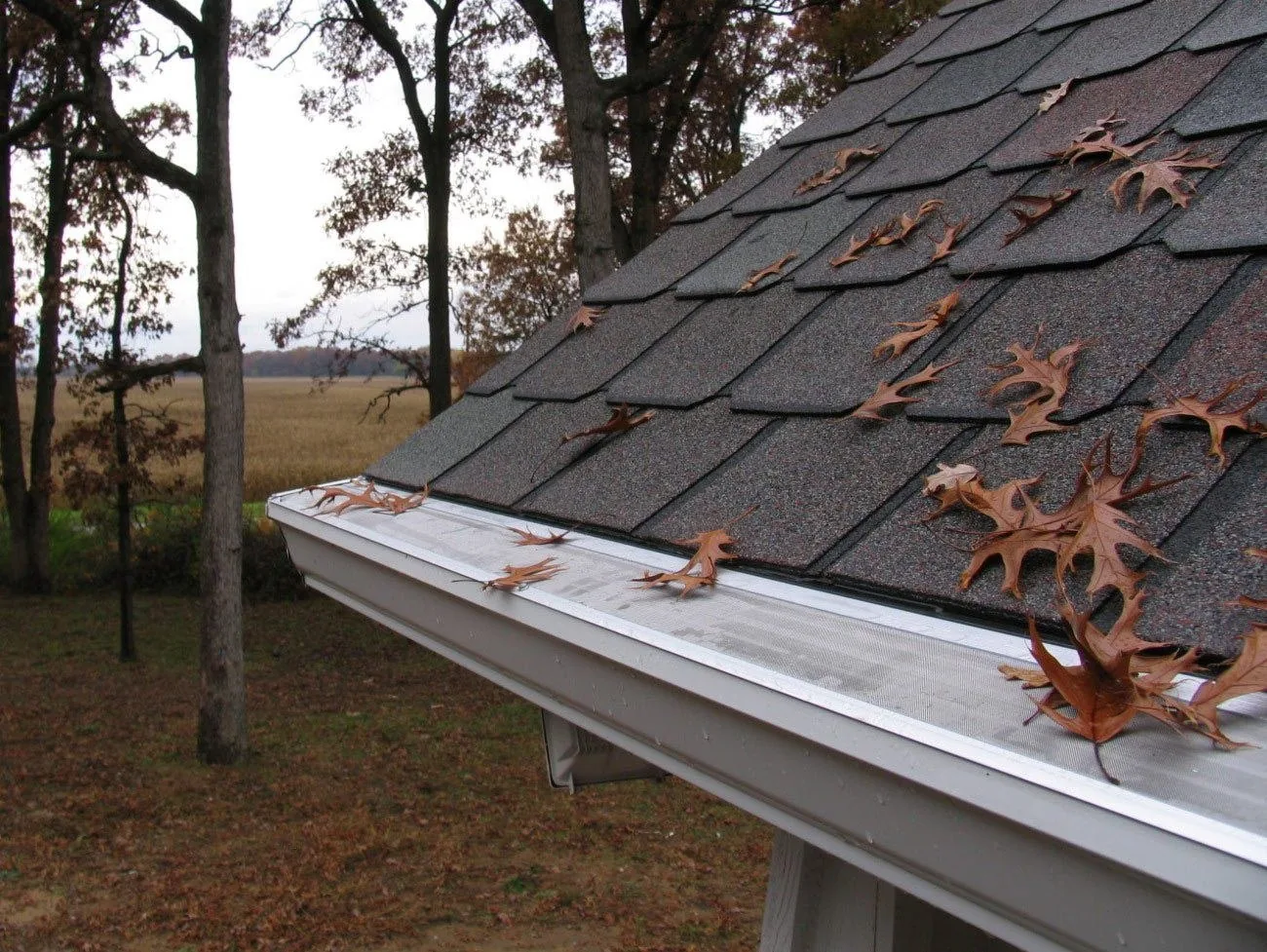
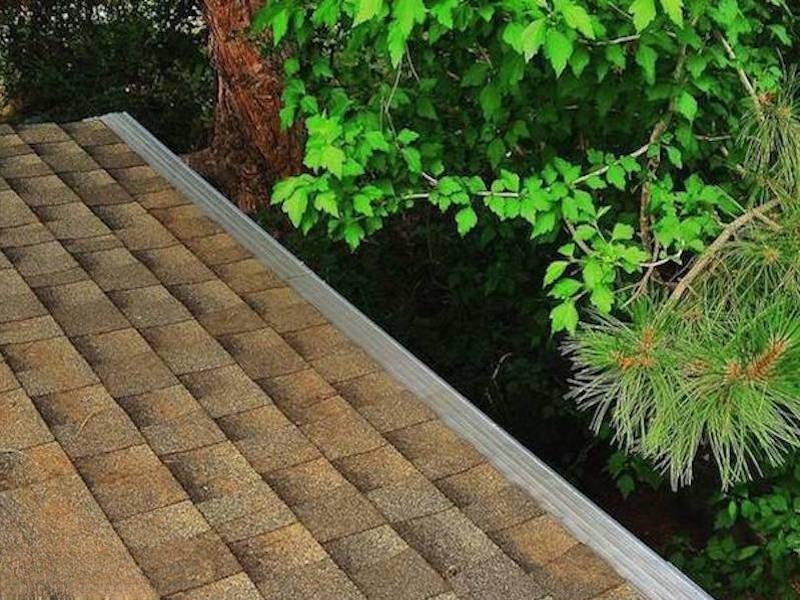
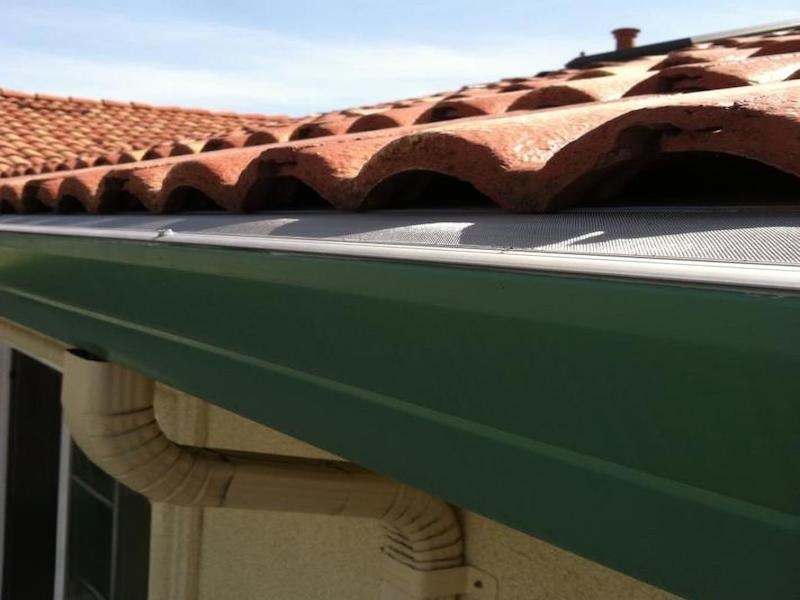
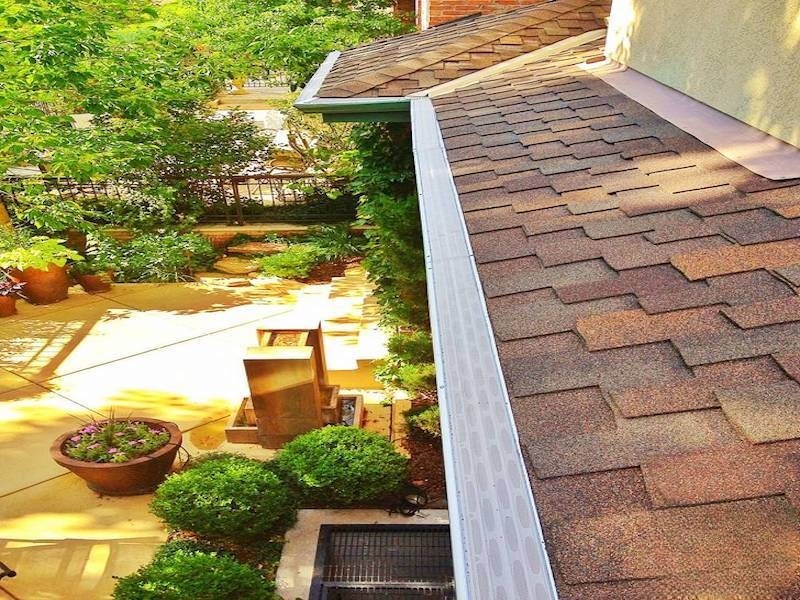
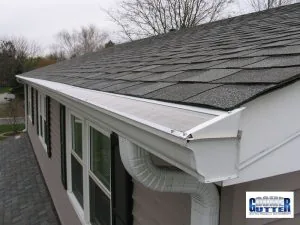
It keeps leaves, needles and grit out of the trough. That keeps the run clear, so rain leaves the roof the way the system was built to move it. That is a breeding-site reduction, not mosquito control.
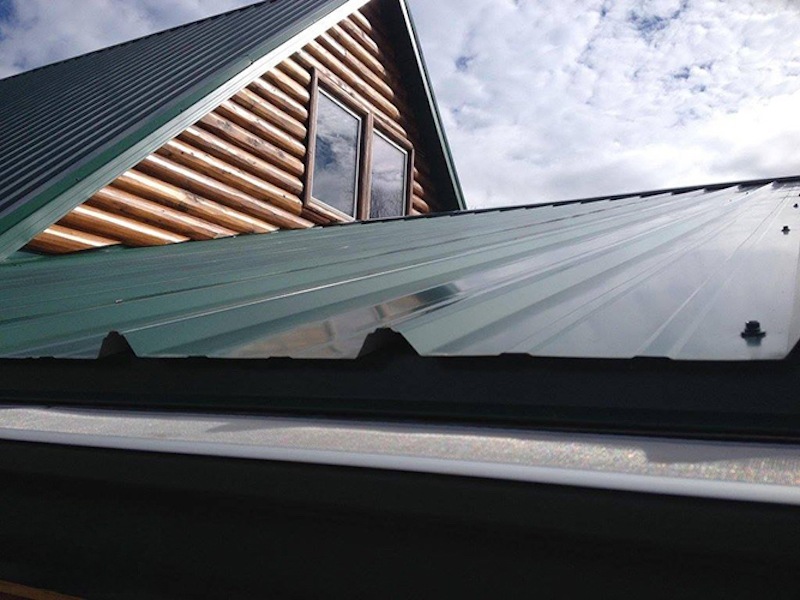
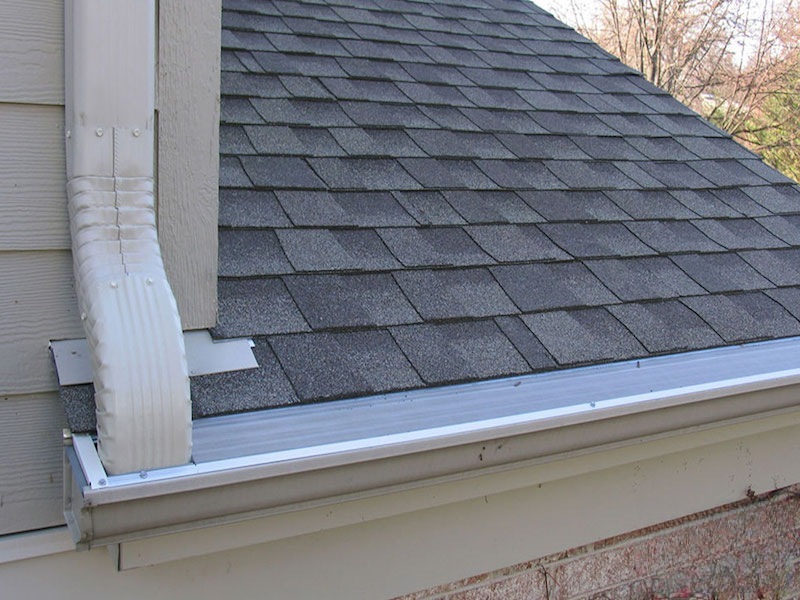
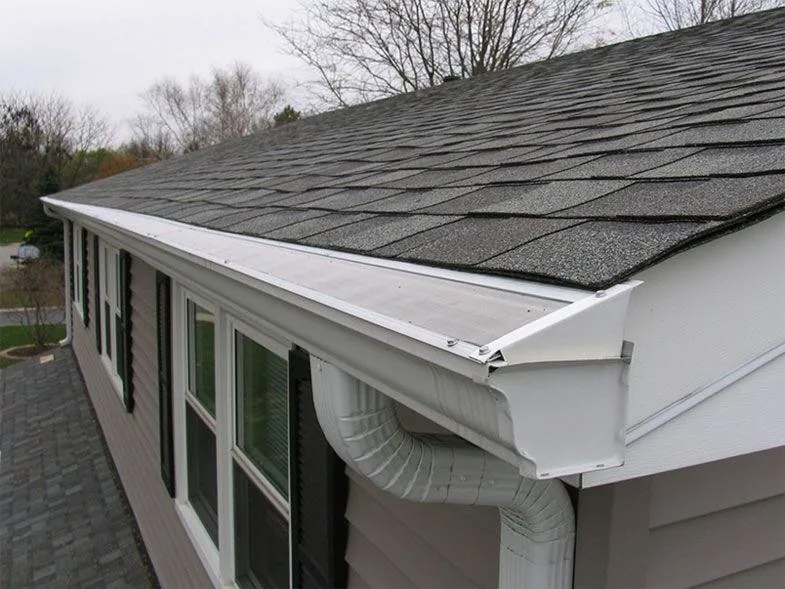
What no guard does on its own: correct a pitch that pools water, clear a downspout that clogs below the guard, or restore a trough that has already rusted through or pulled away from the fascia. GutterDome fits over the existing run rather than replacing it, so the water line stays where the gutter was built to carry it.
Wasps, Hornets and the End of the Run
Wasps and hornets favor the places a guard does not cover: the open end of a run, the gap behind a fascia, the shaded corner above a downspout opening. A guard covers the trough. It does not seal the structure. If there is an active nest, that is a call to a licensed pest professional first — GutterDome does not remove nests, and nobody should be on a ladder next to one.
What to Do About It
Three steps, in the order that changes the outcome:
- Get the water out. Clear the run and the downspouts, and check that the trough falls toward the outlet instead of pooling.
- Keep it out. Fit a guard to the whole run, not one section — a partial install leaves the same habitat in the gaps.
- Check it once a year. A guard reduces debris; it does not make maintenance zero, and every guard we sell carries a lifetime limited warranty. The end of a run, the downspout outlets and the valleys are the three places to look.
More on this topic: the questions homeowners most ask, and the longer treatment on the blog, Clogged gutters as a breeding ground for pests.
Ready to stop the clogs — and the pests they attract — at the gutter line?