Micro Mesh Gutter Guards for Philadelphia, PA Homes
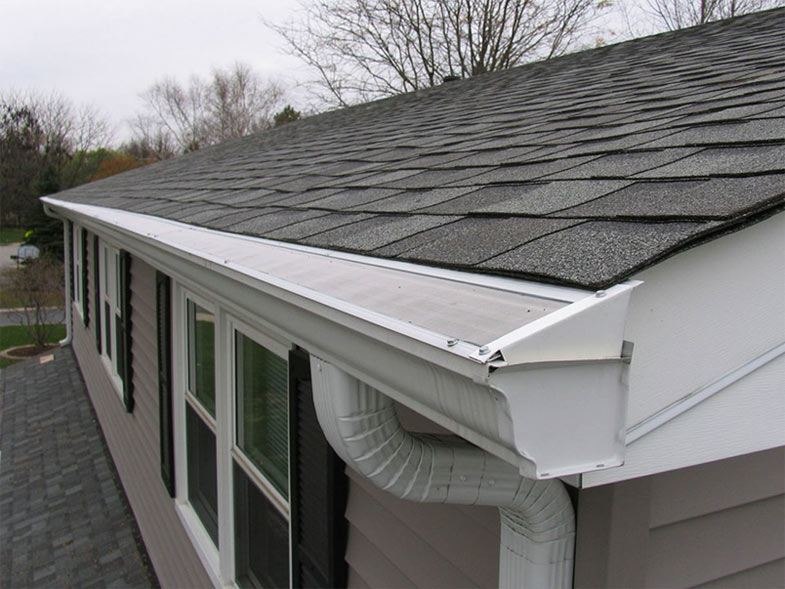
Micro-mesh gutter guards are the highest-filtration option in the gutter-protection category, and for many Philadelphia, PA homes they are the right one. A micro-mesh guard uses a fine stainless-steel screen—measured in hundreds of holes per square inch—to block leaves, twigs, pine needles, and even the small maple and elm seeds that pass straight through coarser guards, while still letting rainwater flow into the gutter. For a metro where the autumn leaf drop is heavy and the spring seed load is just as relentless, that fine filtration is the difference between a gutter that stays clear and one that slowly re-clogs.
The question most homeowners ask first is simple: is micro-mesh worth the upgrade over a basic screen? The answer depends on what your trees drop. If your gutters fill with whole leaves, a standard guard usually suffices. If they fill with the fine, flat seeds of maple and elm, with pine needles, or with the shingle grit that washes off an aging roof, micro-mesh is the level of filtration that actually keeps the gutter clear all season.
How Micro-Mesh Works on a Philadelphia Roofline
Micro-mesh guards rely on surface tension and a fine weave to separate water from debris. Rainwater clings to the mesh and flows through the openings into the gutter, while leaves and seeds ride across the surface and blow or wash off. The fineness of the mesh is measured in microns—the smaller the number, the finer the screen. GutterDome’s standard micro-mesh is a #40 mesh stainless steel screen (1600 holes per square inch, 400 microns), fine enough to stop the smallest seeds the region’s maples and elms produce while still passing the volume of water a summer cloudburst or a nor’easter delivers. The uPVC line uses a slightly coarser #30 mesh (900 holes per square inch, 595 microns), and the high-flow Magma line uses a #20 mesh (400 holes per square inch, 842 microns) designed for open, fast shedding in heavy downpours.
Mesh grade matters more in Philadelphia than in drier markets because the city averages roughly 44 inches of rain a year across more than 120 precipitation days. A screen that filters beautifully but cannot pass water fast enough will overflow in the same storms it was meant to survive. That balance—fine enough to filter, open enough to drain—is exactly what a well-engineered micro-mesh guard is built to hold.
Why the Right Guard Protects More Than the Gutter
The cost most homeowners do not see coming is what water does after it overflows a clogged gutter. Overflow runs down the exterior wall, saturates the soil at the foundation, and works its way into older masonry basements—a recurring problem across Philadelphia, Delaware, and Montgomery counties. It rots fascia boards, streaks the brick, and accelerates the settling cracks that century-old rowhouses are already prone to. The Insurance Information Institute catalogs water as one of the most common and costly sources of home damage—and gutter overflow is a leading, preventable trigger. A micro-mesh guard that keeps water in the gutter and away from the foundation is, in effect, inexpensive insurance against that whole category of repair.
On Philadelphia’s older housing stock, the stakes are higher than average. Historic brick row homes often have flat or low-slope roofs, aged gutters, and masonry that is already vulnerable to moisture. Keeping the gutter flowing means water is carried to the downspout and away from the house—instead of pooling against a brick party wall or seeping toward a finished basement.
Choosing the Right Micro-Mesh Guard
GutterDome’s micro-mesh line is built from surgical-grade T304 stainless steel mesh set into 6063 extruded aluminum, tempered to T5 strength with a corrosion-proof anodized finish. The stainless mesh resists rust and tearing, and the domed profile lets water flow beneath resting debris so the guard keeps draining even when leaves sit on top. The lineup scales to the roofline:
- GutterDome (GD45)—the #40 mesh micro-mesh guard for standard 4”–5” gutters on row homes and suburban houses.
- GutterDome (GD67)—a #40 mesh guard for larger 6”–7” gutters on big homes and mixed-use buildings.
- GutterDome Magma (GD45M)—a #20 mesh high-flow guard for heavy downpours, heavy leaf load, and snow regions.
- GutterDome Magma (GD67M)—the high-flow design for larger gutters.
- GutterDome Adjustable (GD45A)—a #40 mesh guard with a 1” narrower back wing for steep pitches and mansard rooflines where you cannot tuck under the roofing.
- GutterDome uPVC (GD45P)—a white uPVC guard with a #30 mesh screen (900 holes per square inch, 595 microns) for corrosion- and UV-resistant applications.
Every model carries a transferable 30-Year Lifetime Warranty, which matters in a region where older homes sell frequently and the coverage moves with the house. For the broader comparison of these systems, see our guides to leaf guards in Philadelphia, PA and gutter screens in Philadelphia, PA.
Ready to find the right gutter guard for your Philadelphia home? Contact your local GutterDome Dealer today for a free, no-obligation estimate.
Micro-Mesh and the Older Home: What to Check First
Before any guard is installed on an older Philadelphia home, the gutter itself needs to be in sound shape. A micro-mesh guard is not a fix for a rusted-through or sagging gutter—it is protection for a working one. A GutterDome Dealer inspects the gutter, fascia, and downspouts during the estimate, confirms the roof type, and matches the mesh grade to your specific trees. That step is especially important on historic homes, where the gutter may be old, the roofline irregular, or the fascia original to the house.
For homeowners weighing the full cost picture, the math tends to come down to avoided repairs. A single incident of water-damaged plaster, a rotted fascia board, or a flooded basement can cost more than a professionally installed micro-mesh guard—and the guard works every storm, every season, with almost no ongoing effort. If you want to understand what upkeep remains, read our guide to gutter cleaning in Philadelphia, PA.
Frequently Asked Questions
Q: What does “micro-mesh” actually mean?
A: Micro-mesh refers to the fine stainless-steel weave of the screen, measured in holes per square inch and microns. GutterDome’s standard guard is a #40 mesh (1600 holes per square inch, 400 microns), fine enough to stop small seeds while passing rainwater.
Q: Will micro-mesh handle Philadelphia’s heavy downpours?
A: Yes. The mesh is sized to pass the volume of a summer thunderstorm or nor’easter. For homes in the heaviest leaf and snow areas, the #20 high-flow Magma guard offers even faster shedding.
Q: Do I still have to clean micro-mesh gutters?
A: Far less. Debris rests on the surface and washes or blows off; most homeowners only need an occasional rinse of the mesh. The gutter itself stays clear, which is what prevents clogs.
Q: Is micro-mesh worth more than a basic screen?
A: If your trees drop fine seeds, pine needles, or shingle grit, the finer filtration is what keeps the gutter clear all season—so for many Philadelphia homes, yes, it is the better long-term value.
Protect Your Philadelphia Home With the Finest Filtration
From Society Hill and Chestnut Hill to the Main Line and the South Jersey suburbs, Philadelphia-area homes face the same fine-seed, heavy-leaf debris load—and the same wet-weather stress. A micro-mesh guard is the precise fix for both.
Get a Price today to see what GutterDome micro-mesh gutter guards would cost on your Philadelphia, PA home.