How Long Do Gutter Guards Last? Real-World Lifespan by Material
November 19, 2026
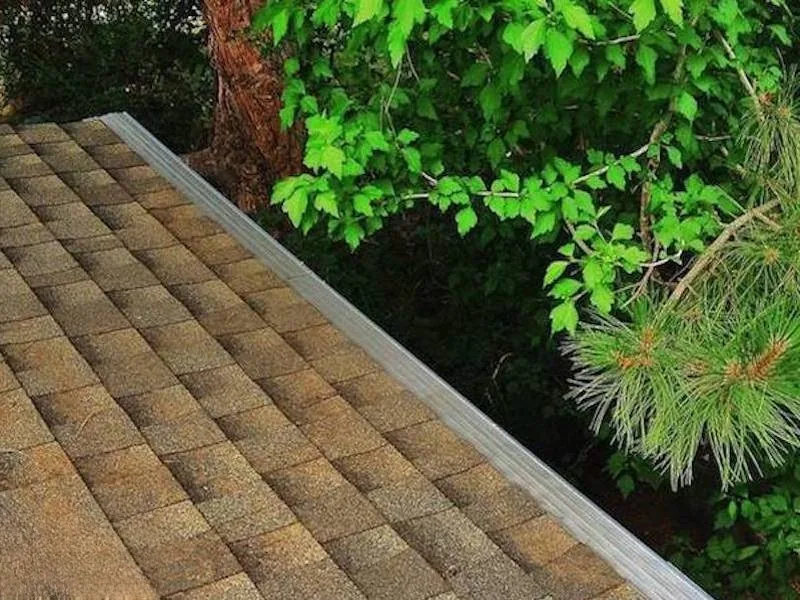
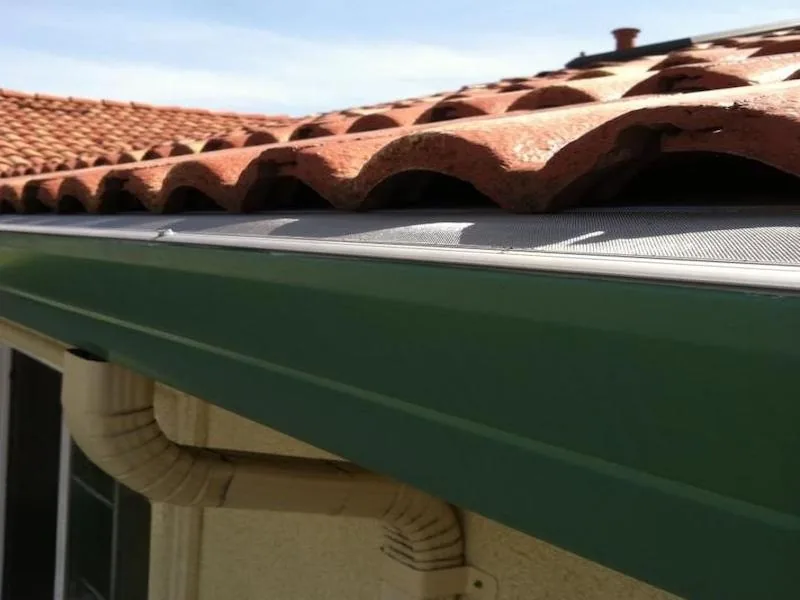
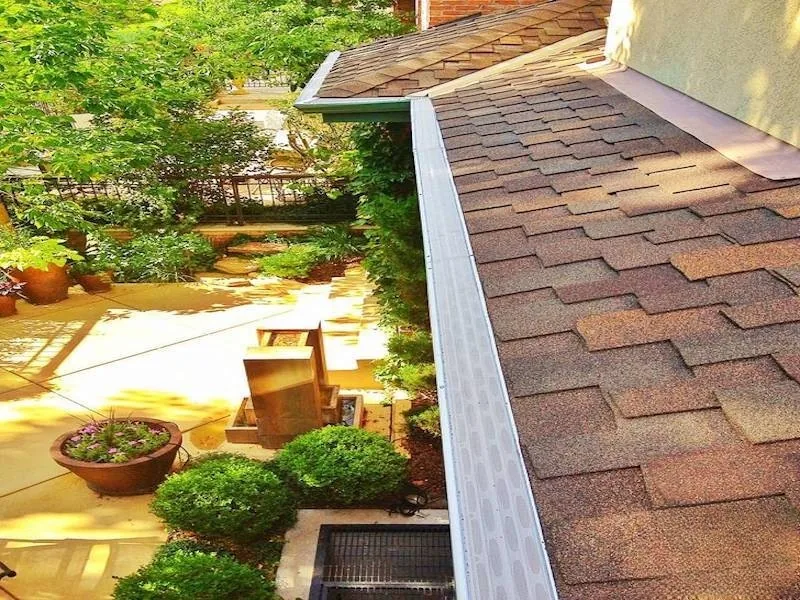
Gutter guard lifespan runs from a few seasons to about 25 years, and the material sets where a system lands. Foam and brush inserts last a few seasons, coarse screens hold for several years, and a tested stainless micro-mesh system is rated up to 25 years. Start with micro-mesh gutter guards, because the mesh decides the range.
Lifespan Is a Material Decision First
In its guide to gutter systems, This Old House puts the spread plainly: a new gutter system will last anywhere from a few years to the lifetime of your house, depending on the material you choose and how well it is installed and maintained. Copper runs, for instance, can last more than 50 years with proper maintenance. The logo on the box does not change that arithmetic.
Guards follow the same rule, which is why no single number answers the lifespan question honestly. A guard keeps debris out of an open rain gutter, and some materials survive that exposure for a season or two before they sag or clog themselves, while others shrug off twenty years of the same weather. That gap accounts for most of the price difference.
How Long Each Guard Material Lasts
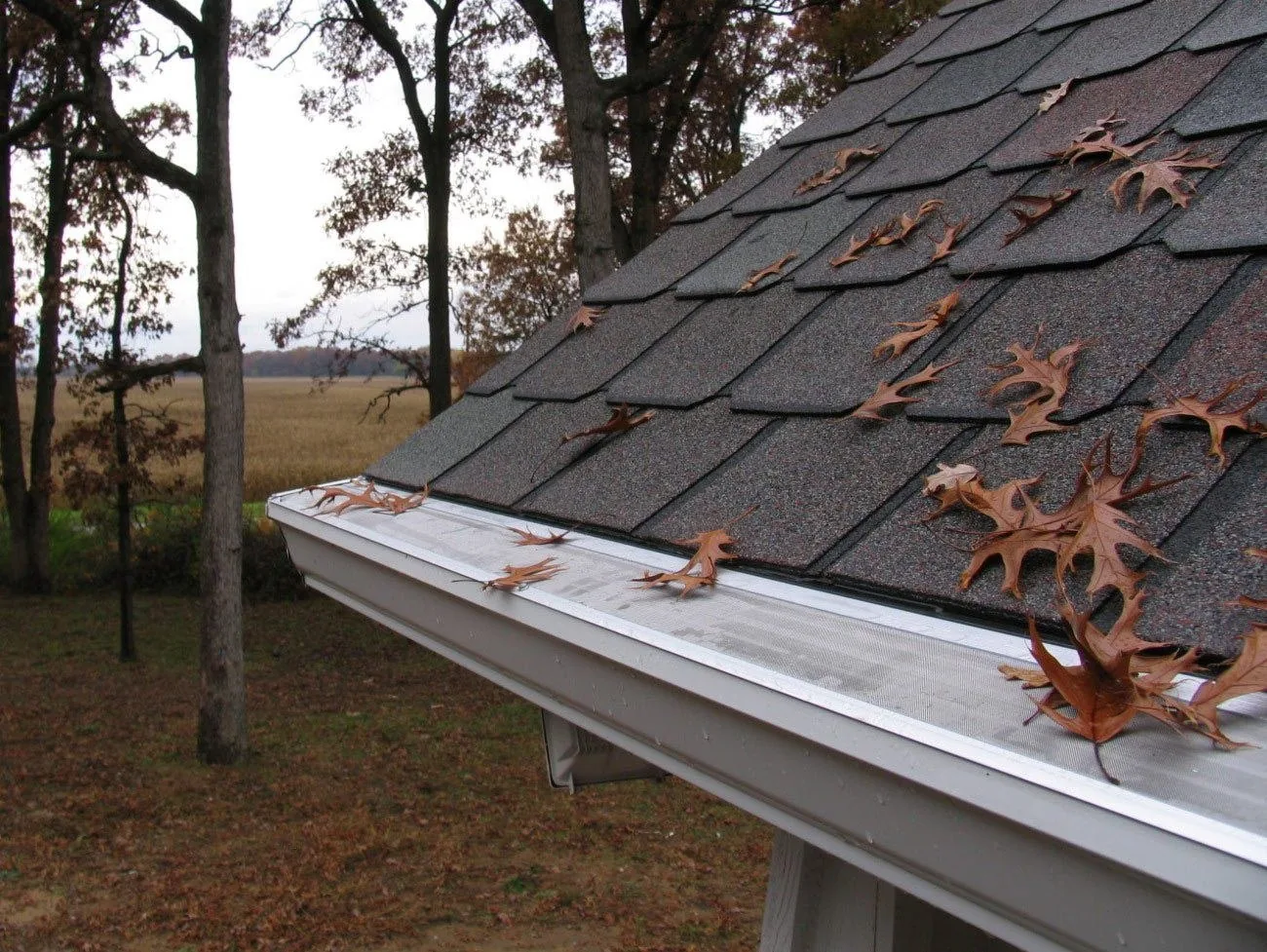
Foam and brush inserts sit at the bottom of the range. They are cheap, easy to fit, and consumed by the job: foam breaks down under ultraviolet light and holds moisture against the metal, while brushes fill with grit and needles and stop draining. Expect a few seasons rather than a decade. Coarse screens last longer, but they pass needles, grit, and seed pods behind the panel, so the guard stays intact while the gutter underneath clogs.
Stainless-steel micro-mesh sits at the top. Premium systems made from corrosion-resistant materials can withstand consistent moisture, and at least one tested stainless system carries a rating of up to 25 years. A rating is not a promise, but it is a different category from a foam insert. Aluminum is the other durable half of the equation, and it will not rust; the mesh and the extruded frame handle water differently, which is why the pairing holds up.
What a Lifetime Finish Actually Guarantees
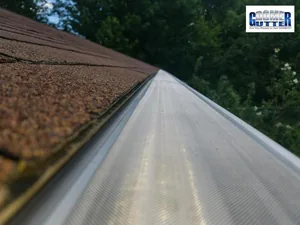 Color and chalk retention claims are not marketing adjectives; they are tied to published performance tiers, and FGIA publishes the documents that define them for architectural aluminum. The tiers move in steps. AAMA 2603 tolerates a single year of South Florida exposure with only slight fade allowed, AAMA 2604 requires five years of Florida exposure and at least 50 percent PVDF resin, and AAMA 2605 is the top step: ten years of Florida exposure, 70 percent PVDF or FEVE, and no more than a color shift of five Delta E at ten years.
That hierarchy separates a finish still looking new at year ten from one that has chalked grey by year three. It also explains the qualifier behind a lifetime finish claim: a coating qualified to the highest published exposure class, not one guaranteed to outlive the house.
Read the published tiers as a ladder of confidence. South Florida exposure is the industry’s accelerated-weathering benchmark, since sun, salt air, and heavy rain age a coating faster there than almost anywhere else, so a finish that holds its color against that test should hold it longer in a milder climate. Resin content is the other half of the ladder: PVDF and FEVE are fluoropolymer binders that resist the chalking and fade which turn an older finish grey, and the top tier demands more of them.
What Shortens a Guard’s Life
The calendar is rarely what ends a guard. Repair guidance is consistent about where trouble starts: sagging and failure are often caused by improperly spaced hangers, loose or broken brackets, and the weight of debris buildup. Hangers should sit roughly 24 inches apart. Space them wider, or fasten them into tired fascia, and the channel bows under load, pulling the guard out of line long before its material is worn out.
A gutter also depends on a gentle slope toward the downspout, and anything that flattens that line (a bracket set too high, a hanger driven into soft fascia, or a panel lifted at one end) leaves water sitting in the run instead of reaching the outlet. Standing water keeps the channel wet, which is the opposite of what the guard is there to do.
Debris load is the other silent variable. A guard that sheds leaves still carries the weight of everything resting on it, and under heavy tree cover that weight is constant. Two identical systems on the same street can therefore last very different lengths of time.
Before you choose a material, Contact a local GutterDome Dealer and have the spacing and pitch checked for your roofline.
How to Get the Full Service Life Out of a Guard
Most of the work happens on installation day. Correct hanger spacing, fasteners that bite into solid wood rather than fascia veneer, and a guard seated so it does not trap water under the roof edge will do more for lifespan than any upgrade in the material specification. A guard that fails in year four is almost always an installation that failed in month one.
It helps to think about what the guard is actually asked to do. Its job is to keep debris out of the rain gutter, not to hold that debris permanently, so a build that sheds leaves cleanly is working even when the roof above it is shedding constantly. Clearing the worst of the load before winter and checking the run after the first heavy rain keeps the system inside the conditions it was rated for.
After that the maintenance is light but not zero. A look from the ground after the leaves drop, plus a check that water still reaches the downspouts, is enough. Comparing builds before you buy, our best gutter guards guide covers how the options differ by material, and the honest are gutter guards worth it analysis covers when the math works in your favor.
The Channel and the Guard Are Two Different Clocks
The confusion underneath most lifespan searches is that two components wear out at once. The channel carrying the water has an expected life of its own, spanning roughly a decade for vinyl to more than 50 years for copper, and the guard above it is a separate part with a separate range, from a few seasons to a couple of decades.
The quicker way to tell the two apart is to look at what has actually moved. If the guard has separated from the roof edge or bellied between its fasteners, the guard has reached the end of its life. If the channel itself has left the fascia, rusted through, or bowed along the whole run, the guard may still be sound.
Those clocks are routinely conflated. When a homeowner says the gutters are due for replacement, the channel has usually rusted, bowed, or pulled away from the fascia, and the guard is incidental. Knowing which clock ran out decides whether the job ahead is a guard replacement or a gutter replacement, and the cost of gutter guards is where those budgets divide.
Frequently Asked Questions About Gutter Guard Lifespan
Q: How long do gutter guards actually last?
A: Gutter guard lifespan depends on the material. Foam and brush inserts are consumed within a few seasons, coarse screens hold up for several years, and stainless-steel micro-mesh systems are rated for decades, with at least one tested system rated up to 25 years.
Q: Do cheap gutter guards last as long as premium ones?
A: Cheap gutter guards do not last as long as premium ones. Inexpensive inserts fail faster, and their coarse openings let through the needles and grit that clog the gutter behind them. Replacing a low-cost guard two or three times usually costs more than one durable system.
Q: Does the roof or the climate shorten a gutter guard’s life?
A: Both add stress, but installation matters more. Heavy debris loads, poor drainage, and freeze-thaw cycles take a toll, while hangers spaced about 24 inches apart keep a guard seated and draining.
Q: How long do the gutters themselves last, with and without guards?
A: A metal system can last decades, a vinyl channel may be finished inside ten years, and copper runs can exceed 50 years with proper maintenance. A guard does not lengthen the metal’s life directly, but it prevents the debris weight and standing water that shorten it.
Q: What are the signs a gutter guard needs replacing?
A: Watch for sagging or separation from the roof edge, visible gaps at the seams, water sheeting over the front lip during rain, and plant growth or staining in the rain gutter.
Q: Does a lifetime warranty really mean the guard lasts a lifetime?
A: Not literally. A lifetime finish refers to a coating qualified to the highest published exposure class, and aluminum guards commonly carry a limited warranty that can transfer to the next homeowner if you sell.
Ready to price a system built to outlast the calendar?