
Does Homeowners Insurance Cover Clogged-Gutter Water Damage?
September 16, 2026
Most homeowners ask this question with a wet ceiling above them. A gutter packed with leaves and pine needles backs up, water runs down the fascia, and it finds the path of least resistance into a wall, a ceiling, or a basement. The honest answer is that a standard homeowners policy sometimes pays — and whether it does depends far less on the size of the repair than on one word insurers apply constantly: maintenance. Below is how that distinction actually gets made, what a typical policy does and does not cover, and how to keep the question from ever coming up. If water is already finding its way in, the durable fix is usually keeping roof runoff away from the foundation rather than arguing with an adjuster afterward.
The Short Answer: Coverage Hinges on Cause, Not Cost
A homeowners policy is written to cover sudden and accidental events. A clogged gutter is neither, strictly speaking — it is an accumulation that happened slowly, over a season or several, on a part of the house the policyholder is expected to maintain. That is why two neighbors with identical water damage can get opposite answers from the same insurer: one can point to a storm that overwhelmed a clear gutter, and the other cannot. Financial guidance such as Chase’s home maintenance checklist treats gutter clearing as core, recurring upkeep — and that framing is exactly the one an adjuster brings to the claim.
So the practical question is not “does insurance cover gutter water damage.” It is “can I show this was not something I let go.” Everything below follows from that.
Why Insurers Treat a Clogged Gutter as Maintenance Neglect
Water damage is one of the largest categories of home-insurance loss, and the Insurance Information Institute is direct about where the line falls: policies respond to certain water damage, while damage from water that entered gradually or from a condition the owner failed to maintain is commonly excluded. A gutter blocked with debris falls into the second bucket because it is visible, seasonal, and preventable — three things an insurer can point to when it denies.
The exclusions that show up most often in gutter-related denials are the ones written for exactly this pattern:
Gradual or repeated seepage. Water that has been entering slowly over weeks, or that has happened more than once, reads as a known condition rather than a sudden loss.
Faulty or inadequate maintenance. This is the clause that does the work in gutter claims. If the adjuster can show the overflow was caused by debris that should have been cleared, the loss is attributed to upkeep rather than to an event.
Mold and rot that followed the water. Even when some of the water damage is accepted, secondary damage from long-term moisture — mold remediation, rotted framing — is frequently capped or excluded outright.
None of this is bad faith. It is a policy doing what it says: paying for accidents, not for deferred chores.
What a Standard Policy Usually Does Cover
Coverage varies by carrier, state, and the specific form you bought, so treat this as the shape of the answer rather than a promise. With that caveat, a typical policy often pays for:
Sudden water escape from the plumbing or HVAC system — a burst supply line, a failed water heater, a ruptured appliance hose. Not a gutter, but worth separating mentally, because it is the kind of “sudden and accidental” event the form is built around.
Storm-driven water entering where the storm made an opening — a wind-damaged roof or a broken window letting rain in. The qualifying event is the storm damage, not the water.
Water from a neighbor’s property or a municipal line in some circumstances, depending on the form.
If your gutter overflow happened during a named storm and your gutters were clear beforehand, that is a materially stronger claim than “the gutter was full and it rained.” Photographs of clean gutters before the storm are the difference.
What It Usually Does Not Cover

Standing on the other side of the ledger are the losses insurers most often decline after a gutter backs up: interior water damage caused by overflow from a clogged or undersized gutter system; the fascia, soffit, and roof-edge rot that a long-running overflow produces; basement and crawl-space water where grading or drainage was the contributing cause; and mold remediation in nearly every form. Homeowners are frequently surprised by how much of a gutter loss sits in this column, because the visible event — a storm, a downpour — feels accidental from inside the house. From the underwriting side, the covered event is the escape of water, not the failure of a system that was never maintained.
The practical takeaway: the cost of a backed-up gutter is, in most cases, a cost you carry. That is the argument for spending the money upstream.
How to File a Gutter-Related Claim So It Can Actually Be Paid
If you are filing anyway, the claim succeeds or fails on documentation. Before you call, photograph the damage — ceiling, wall, flooring, and the gutter itself. Then be precise about chronology: when did you first notice it, was it after a storm, and had the gutters been cleared recently. Do not describe the gutter as “always full” or “something we meant to get to.” Pull your maintenance records if you have them. Read the water-damage exclusions in your own policy before you talk to the adjuster, so you recognize the clause when you hear it. And if the denial comes back citing neglect, ask for the specific policy language in writing — sometimes the reasoning is thinner than the letter suggests, and sometimes it is exactly right.
One thing worth saying plainly: filing a claim you expect to be denied is not free. It puts a loss on your record even when nothing is paid.
Stopping the Damage Before You Ever File
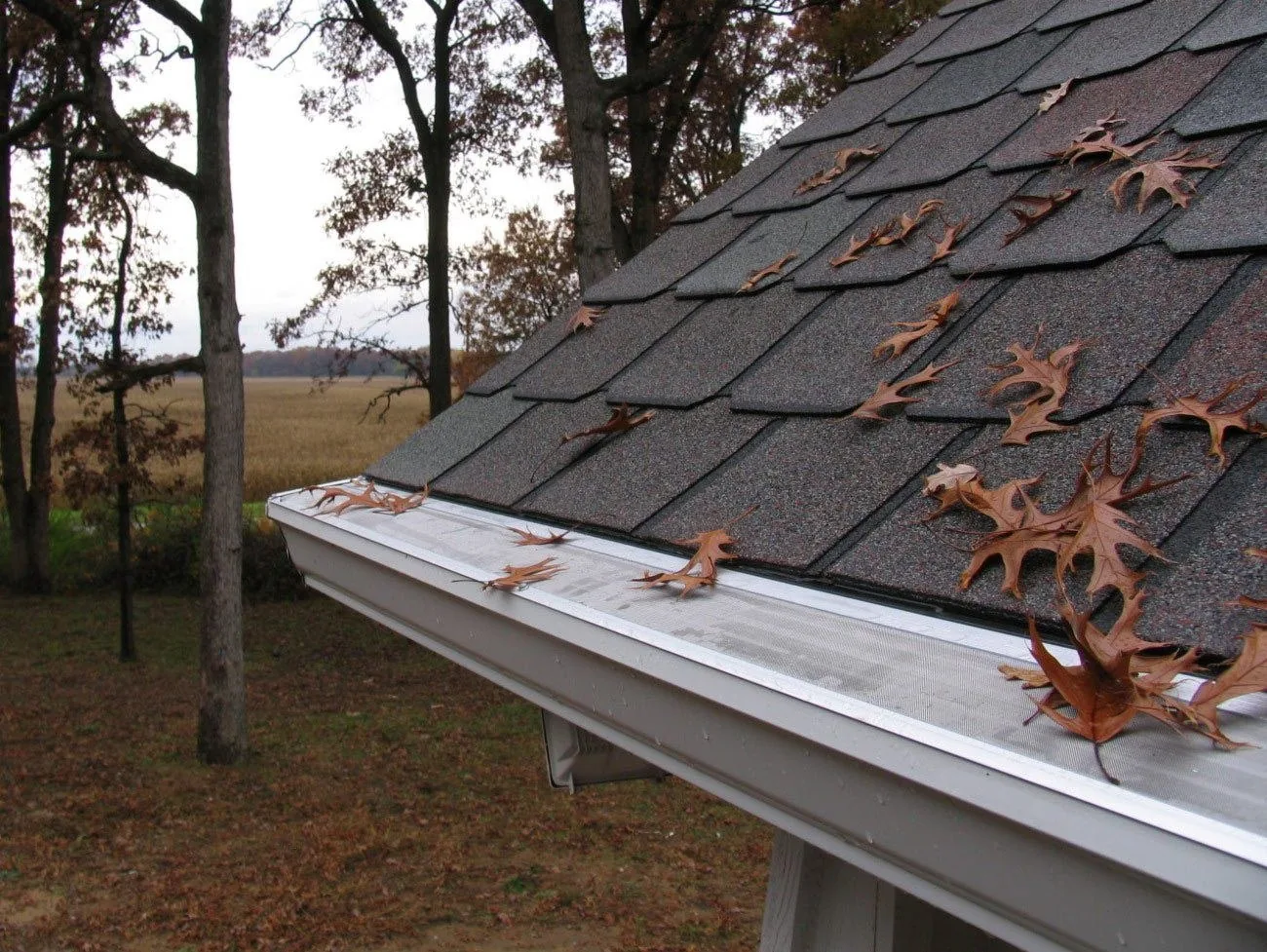
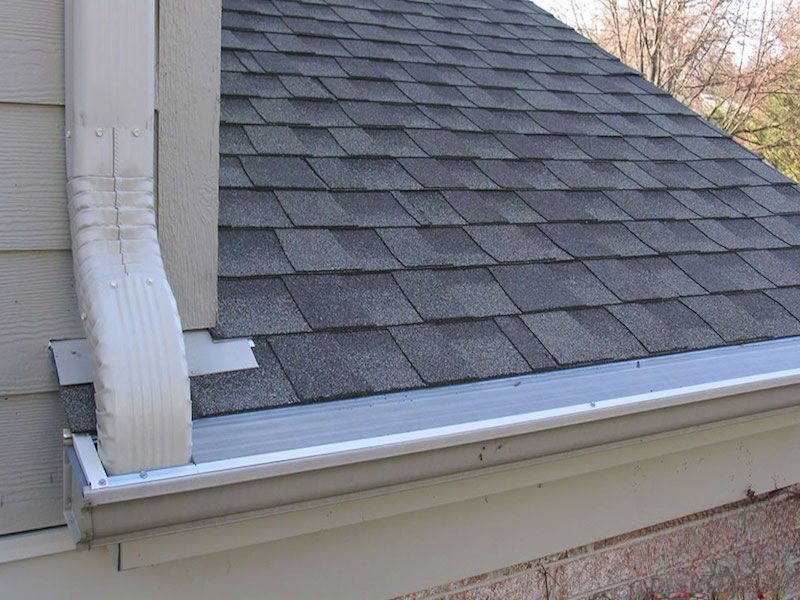
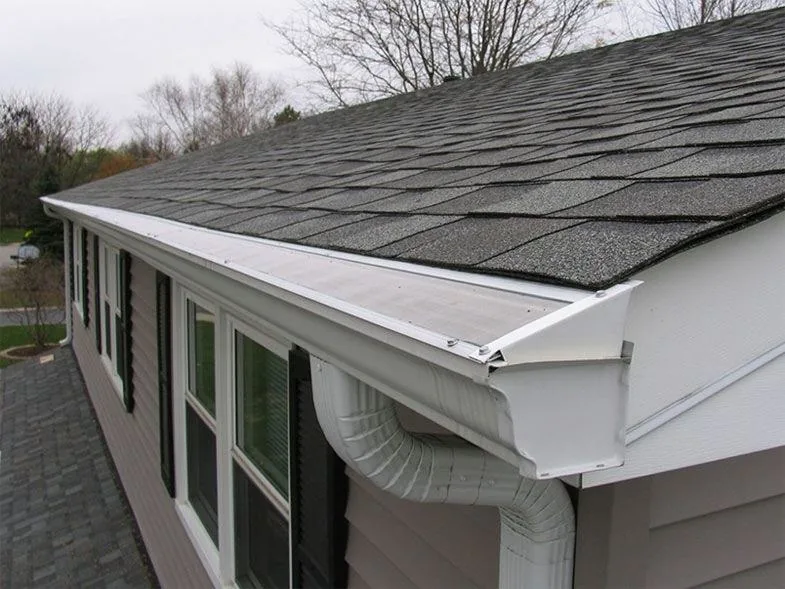
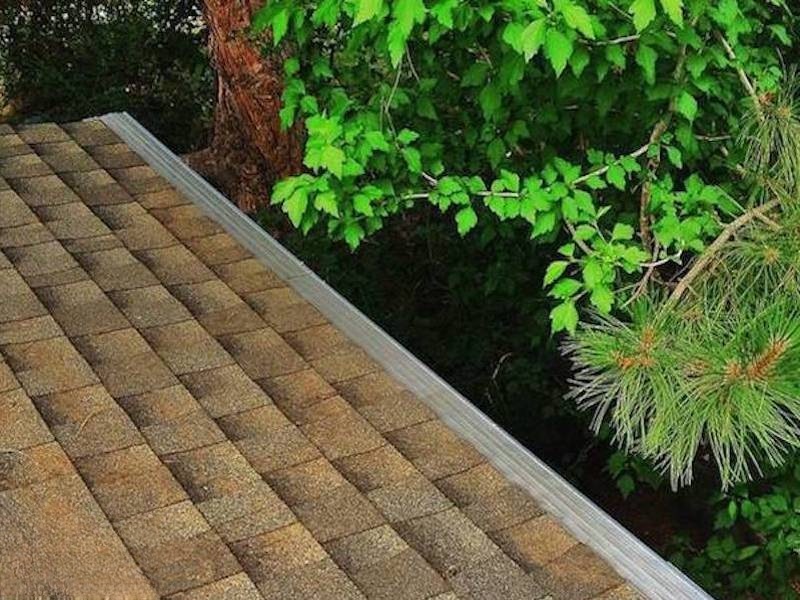
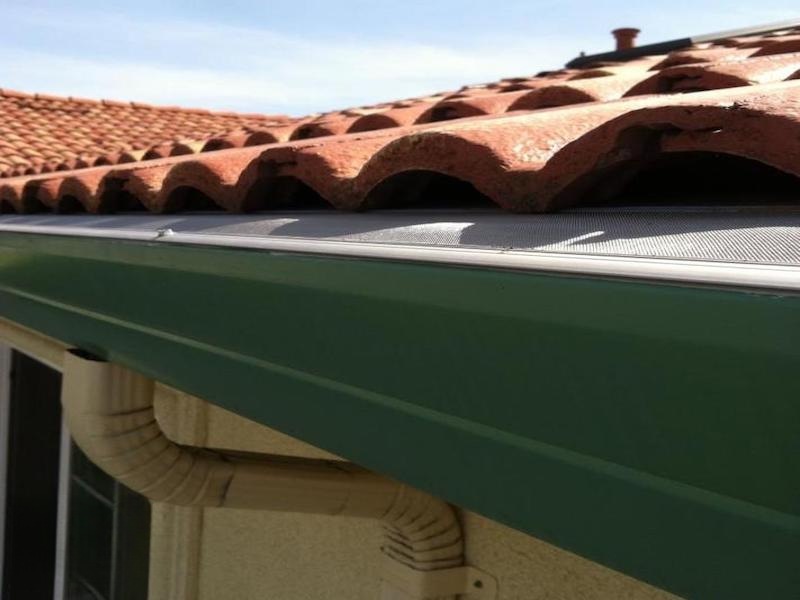
Every question above disappears when the gutter stops clogging. That is the entire argument for a gutter guard, and it is a financial argument as much as a convenience one — the math on one-time cost versus a decade of cleanings is laid out honestly in our piece on whether gutter guards are worth it. What matters here is narrower: a guard that keeps debris out of the gutter keeps water out of the house, which keeps the claim off your record.
Not every guard does that. Foam inserts, brushes, and coarse screens with large openings stop big leaves and let pine needles, shingle grit, and seed pods through — where they pack down at the downspout and recreate the exact overflow the guard was bought to prevent. The systems that actually end the cycle filter at a much finer scale. Our best gutter guards guide breaks down which ones hold up and which ones are a season away from being the reason you call your insurer.
If you are weighing the decision for your own roof, contact a local GutterDome Dealer and walk through your roofline, tree load, and drainage — no obligation, and no pressure to buy anything.
Frequently Asked Questions About Gutter Damage and Insurance
Q: Does homeowners insurance cover water damage from clogged gutters?
A: Sometimes, but often not. Policies respond to sudden and accidental water escape. When an adjuster can attribute the damage to debris that should have been cleared, the loss is commonly classified as maintenance neglect and excluded — so the outcome usually turns on whether the gutters were being maintained.
Q: Will insurance pay to replace gutters damaged by a storm?
A: Frequently yes. Gutters crushed or torn off by wind, falling limbs, or hail are usually treated as storm damage to the structure and handled under the dwelling coverage, subject to your deductible and your policy’s terms.
Q: Is gutter cleaning considered home maintenance by insurers?
A: Yes. Clearing gutters is standard recurring upkeep, which is exactly why a loss traced to clogged gutters tends to be treated as the homeowner’s responsibility rather than the insurer’s.
Q: Does insurance cover mold that grew after a gutter overflow?
A: Rarely in full. Mold resulting from long-term or repeated moisture is excluded or tightly capped under most standard policies, even when some of the underlying water damage is accepted.
Q: Do gutter guards lower my homeowners insurance premium?
A: Not on their own. Some carriers offer credits for water-mitigation or storm-hardening features, but the effect varies widely by state and carrier. Ask your agent specifically — the value of a guard here is in preventing the loss, not in the discount.
Q: Can I be dropped for filing a gutter water damage claim?
A: It is possible. Repeated water-damage claims, even modest ones, can affect your renewal eligibility or pricing with some carriers regardless of payout. One more reason to prevent the loss rather than file for it.
Want to stop the next overflow before it becomes a claim? Request a free estimate from a local GutterDome Dealer.