Gutter Cleaning in Boston, MA: Why the Load Here Beats the Rainfall
Gutter cleaning in Boston, MA means clearing the leaves, pine needles, and debris that collect in your gutters so rainwater can drain away from your home. In New England’s climate, most homeowners need to clean their gutters at least twice a year (after fall leaf drop and again in spring) to prevent clogs, ice dams, and water damage. It is a job that is essential, frequent, and, for many Boston homes, genuinely hazardous to do yourself.
From triple-deckers in Dorchester and Chelsea to colonials in Framingham and Waltham, the rhythm is the same: leaves fall in October, freeze in place by December, and melt into a soggy mess in March. Gutter cleaning is the chore that keeps that cycle from damaging your home, or the one you eliminate entirely with the right gutter protection.
How Often Boston Gutters Need Cleaning
Plan on at least two cleanings a year for an unprotected gutter. The first comes in late fall, after the maple, oak, birch, and beech trees have dropped their leaves, usually November in the Boston metro. The second comes in early spring, to clear the pine needles, oak catkins, and maple samaras that fell during winter and to flush out anything that froze in place. Homes surrounded by mature trees in Newton, Brookline, Lexington, or Arlington May need a third cleaning mid-fall if the leaf load is heavy.
The consequences of skipping a cleaning are worse in Boston than in drier climates. With roughly 43 inches of annual precipitation and nearly 50 inches of snow, a clogged gutter backs up quickly. Water that cannot drain overflows the gutter, soaks the fascia, and runs down to the foundation, where it can seep into basements during the spring thaw.
The Boston Freeze-Thaw Cycle
What makes Boston gutters so unforgiving is the way winter alternates between deep freezes and quick thaws. A gutter full of wet leaves freezes solid in a cold snap, then a warm day or a rain-on-snow storm turns it into a heavy block of ice and slush that water cannot pass through. The meltwater spills over the gutter edge, runs down the siding, and refreezes at the eave, feeding the ice dams this region is known for. Boston has logged seasons like 2014–15, when more than 110 inches of snow fell and nor’easters struck week after week, and it is exactly those stretches that punish a gutter that was not cleared before the first freeze.
The Real Cost of Clogged Gutters
A blocked gutter is the start of a chain reaction. Standing water rots wooden fascia and soffits, peels paint, and invites carpenter ants and other pests. In winter, clogged gutters are a primary cause of ice dams: meltwater backs up behind the frozen debris and creeps under the shingles, where it can stain ceilings and peel interior paint. And at the base of the house, overflowing water erodes soil, cracks foundations, and can flood a finished basement.
Landscaping suffers too. When downspouts clog, water sheets off the roofline and gouges flower beds and lawns, undoing the grading that directs water away from the house. The American Society of Landscape Architects’ guidance on hiring a professional underscores how much of a healthy, dry property comes down to proper drainage and grading, work that begins with gutters that actually drain.
Professional gutter cleaning is priced per visit, and the rate varies by market. Nationally, cleaning runs roughly $225 to $500 per visit, based on published 2026 industry cost surveys, driven by the size and height of the home, how accessible the roofline is, and how much debris has built up. Those are rates local cleaning companies quote, not a GutterDome price, so confirm the figure for your own market. Because that bill returns every year, the recurring total is the number worth comparing against a one-time guard installation.
The Safety Factor
Gutter cleaning is one of the most dangerous routine home-maintenance tasks, and Boston’s housing stock makes it riskier than most. Many homes are two and three stories tall, with steep gable roofs above a 6/12 pitch and aged or uneven trim. Working from an extension ladder on frozen ground, wet leaves underfoot, or against a salt-weathered fascia is a recipe for falls. Every year, ladder-related injuries send thousands of homeowners to the emergency room.
If you do clean your own gutters, use a sturdy, properly rated ladder on level ground, work with a spotter, never overreach, and avoid cleaning from the roof itself. For steep, tall, or hard-to-reach rooflines, hire a professional, or better yet, install gutter protection so the hazard is removed altogether.
Gutter Protection: The Better Alternative
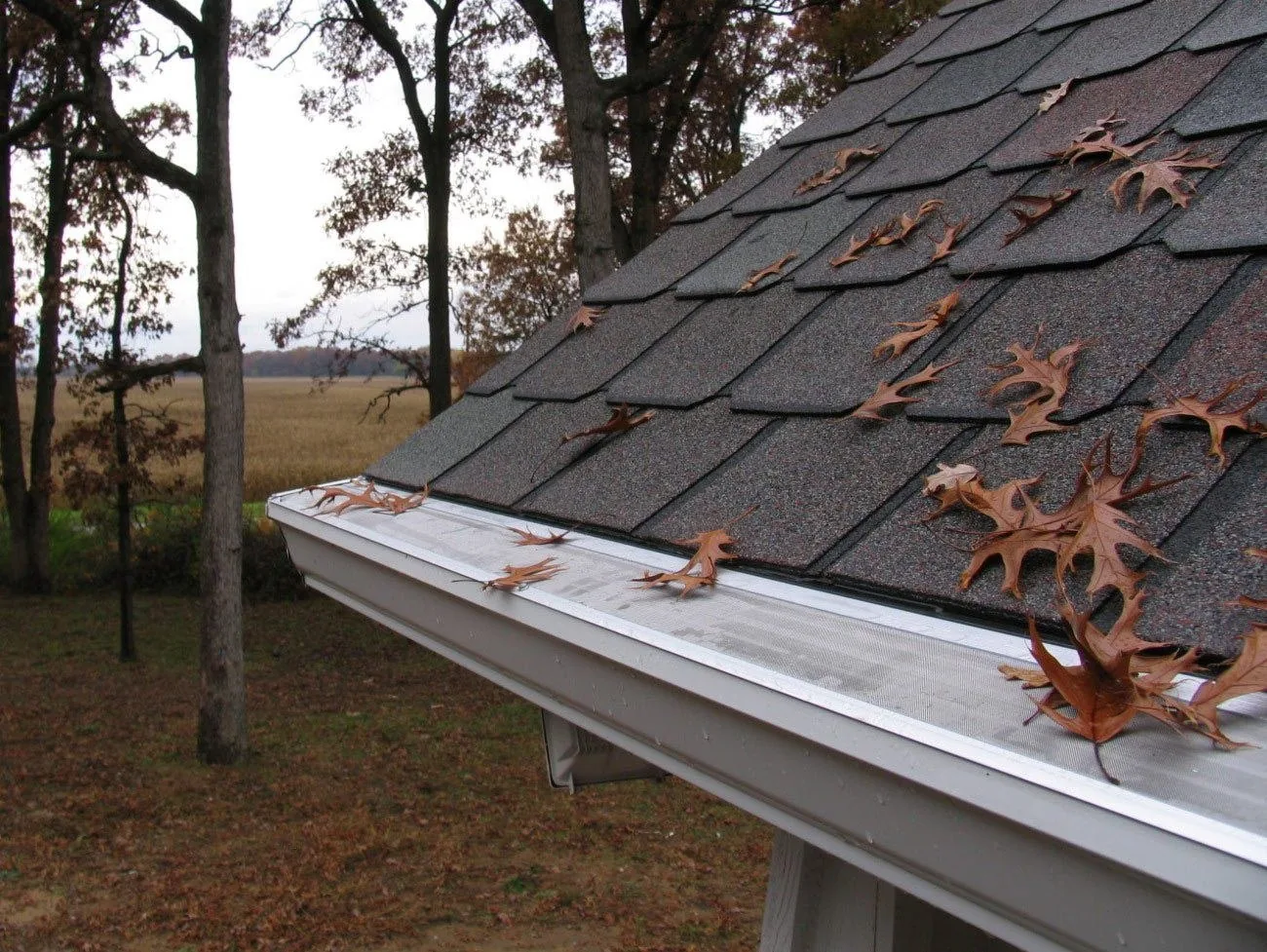
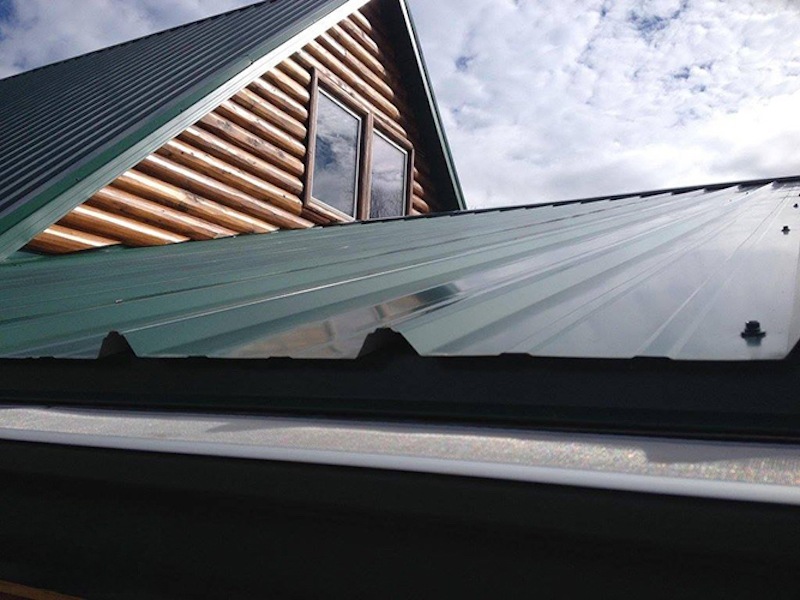
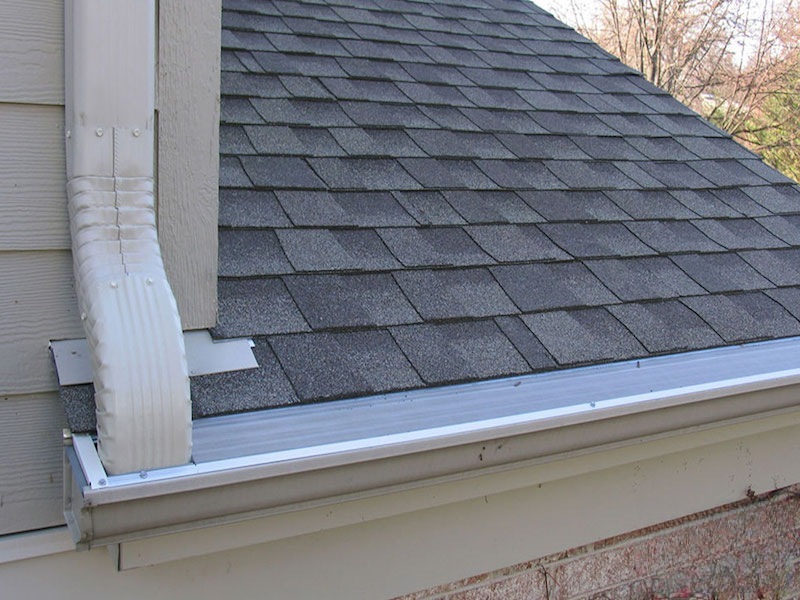
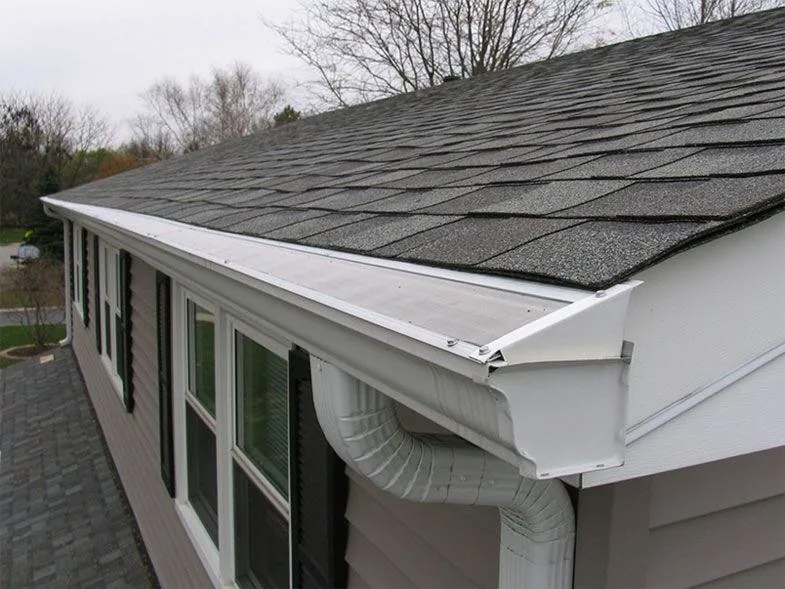
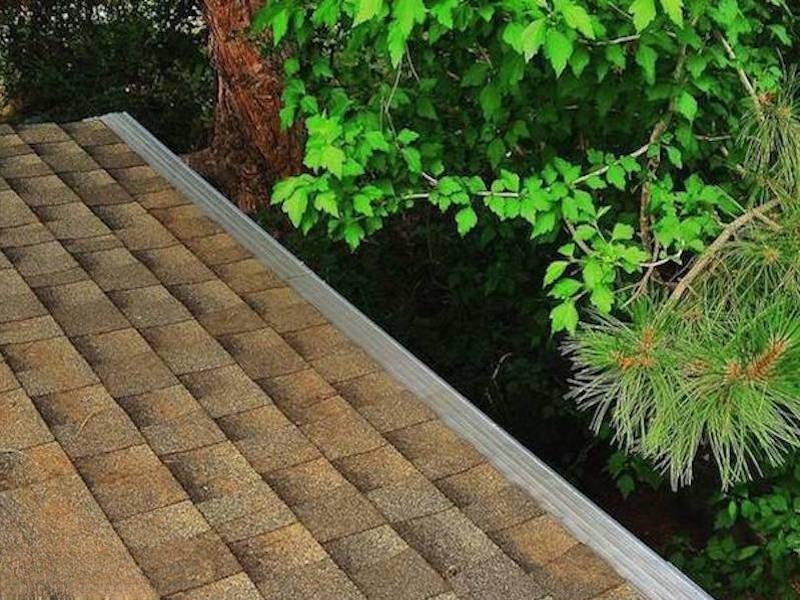
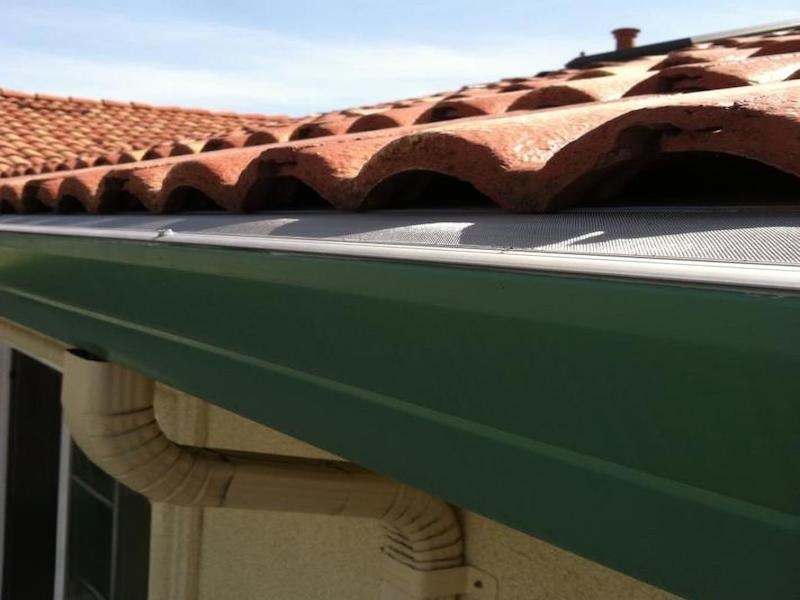
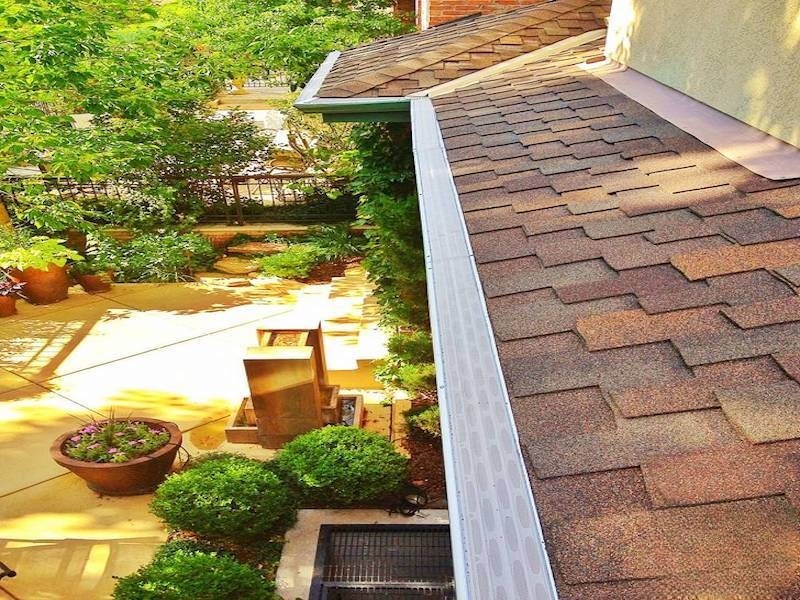
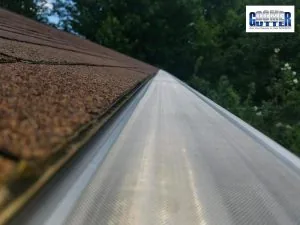
The cleanest way to solve the gutter-cleaning problem is to stop debris from entering in the first place. Gutter protection keeps leaves and needles out of the gutter, so there is nothing to scoop, flush, or unclog. Water flows freely through every storm, and the freeze-thaw cycle never gets debris to lock onto.
GutterDome builds a guard for every Boston Ma roofline, all from military-grade 6063 extruded aluminum tempered to T5 strength with surgical-grade stainless-steel wire mesh and a corrosion-proof anodized finish:
- GutterDome (GD45): 40-mesh, 1,600 holes per square inch (400-micron openings), 6-1/8″ wide. Our flagship for standard 4″–5″ gutters. Backed by our 30-Year Lifetime Limited Warranty, which covers every aluminum style and is automatically transferable one time to the next owner (the uPVC frame carries a 20-year warranty).
- GutterDome Magma (GD45M): 20-mesh, 400 holes per square inch (842-micron openings), 6-1/8″ wide. An open-flow guard engineered for inside miters, simulated miters, and high-water-flow areas, with an aftermarket integrated heat-trace cable option for ice-prone spots.
- GutterDome Adjustable (GD45A): 40-mesh, 1,600 holes per square inch (400-micron openings), 5-1/8″ wide. For steep roofs above a 6/12 pitch, with our private-labeled Clynch Channel fastening system.
- GutterDome Adjustable Magma (GD45AM): 20-mesh, 400 holes per square inch (842-micron openings), 5-1/8″ wide. The same #20 Magma mesh on the Adjustable profile, for pitches above a 6/12, with an aftermarket integrated heat-trace cable option for ice-prone spots.
- GutterDome (GD67): 40-mesh, 1,600 holes per square inch (400-micron openings), 7-1/2″ wide. The same 40-mesh protection for larger 6″–7″ gutters on newer homes and commercial buildings.
- GutterDome Magma (GD67M): 20-mesh, 400 holes per square inch (842-micron openings), 7-1/2″ wide. Magma's superior water-shedding design for larger 6″–7″ gutters, with a cold-weather rating and an aftermarket integrated heat-trace cable option for ice-prone spots.
- GutterDome uPVC (GD45P): 30-mesh, 900 holes per square inch (595-micron openings). A multi-patented white uPVC dome with T304 stainless 30-mesh, 20-year silicone sealant, and a 20-Year Lifetime Limited Warranty.
Once installed, cleaning drops from twice a year to an occasional visual check from the ground.
Ready to find the right gutter guard for your Boston home? Contact your local GutterDome Dealer today for a free, no-obligation estimate.
Keeping Gutters Healthy Between Cleanings
Whether you clean by hand or rely on guards, a few habits keep your gutter system healthy year-round. Trim overhanging branches so fewer leaves and needles land on the roof in the first place. Check downspouts and splash blocks after heavy storms to confirm water is flowing away from the foundation. And before winter, verify that gutters are clear and pitched correctly: the single best step you can take to prevent ice dams in February.
In coastal towns such as Lynn, Revere, Quincy, and Plymouth, salt air accelerates corrosion, so an annual check for rust and loose fasteners is wise. Homes in the snow belt (Lowell, Framingham, and points inland) should watch for ice buildup at the eaves and clear any debris that could trap meltwater. If you are weighing protection against another season of cleaning, see our guide to gutter protection in Boston and our page on leaf guards for Boston homes.
Suffolk County Housing Stock, and What It Means for Your Gutters
78.1% of Suffolk County owner-occupied homes were built before 1980 (ACS 2024 five-year, table B25036), in the top quarter of the forty markets we cover. The median home value here is $705,800, and 36.5% of those homes are owner-occupied. For a gutter that means a legacy-stock market: the original run is often still on the house, and a guard has to be surveyed and strapped rather than clipped onto a fascia that has already been wet for decades.
Communities We Serve Across the Boston Area
Local GutterDome Dealers cover the Boston area, including Boston, Cambridge, Newton, Brookline, Waltham, Framingham, Lowell, Arlington, Lexington, Lynn, Salem, Chelsea, Quincy, Braintree, Brockton, Plymouth, Portsmouth and Dover. See the full service area and Dealer coverage on our Boston gutter services page.
Frequently Asked Questions
Q: How much does gutter cleaning cost in Boston?
A: Professional gutter cleaning in the Boston metro typically runs on a per-visit basis and varies with home height, roofline complexity, and debris load. A free estimate from a local GutterDome Dealer will give you an exact number, and many homeowners find gutter protection pays for itself within a few skipped cleanings.
Q: Can I install gutter guards and skip cleaning forever?
A: Gutter guards eliminate the need for routine scooping, but an occasional visual check after leaf season and heavy storms is still good practice. Large debris can no longer enter the gutter, so cleaning becomes inspection rather than a chore.
Q: What time of year should I clean my gutters?
A: Late fall, after the leaves drop, and early spring, after the thaw. In Boston’s climate, cleaning before the first hard freeze is especially important to prevent ice dams.
Q: Why do my gutters clog even though I have few trees nearby?
A: Wind carries leaves, pine needles, and shingle grit surprising distances, and even light debris accumulates over time. Fine debris and roofing grit are the most common culprits in otherwise “tree-less” yards.
Put the ladder away for good.