Gutter Guards for High Fire Zones and Wildland-Urban Interface
Built for High Fire Zones.
Wildfire codes in high-hazard areas ask two things of a roof gutter. First, that it be built from noncombustible material. Second — and this is the part most gutters fail — that it have an approved means of preventing leaves and debris from collecting in it.
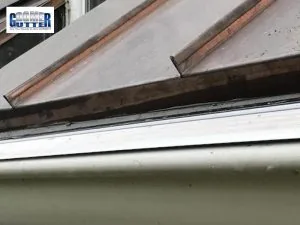
Dry debris sitting in a gutter is fuel held against the edge of your roof. The International Wildland-Urban Interface Code and California's Wildland-Urban Interface Code both require a means of keeping it out.
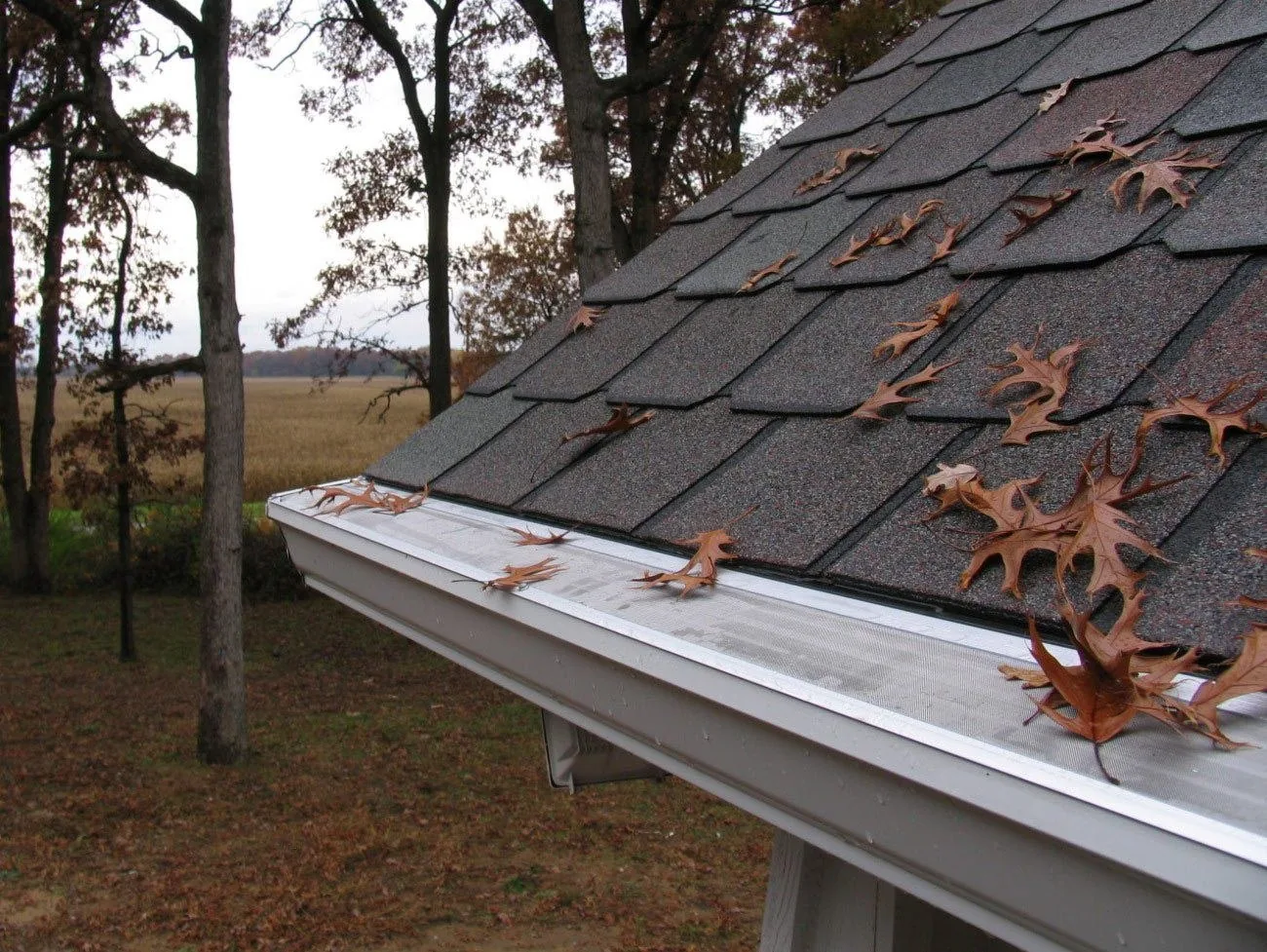
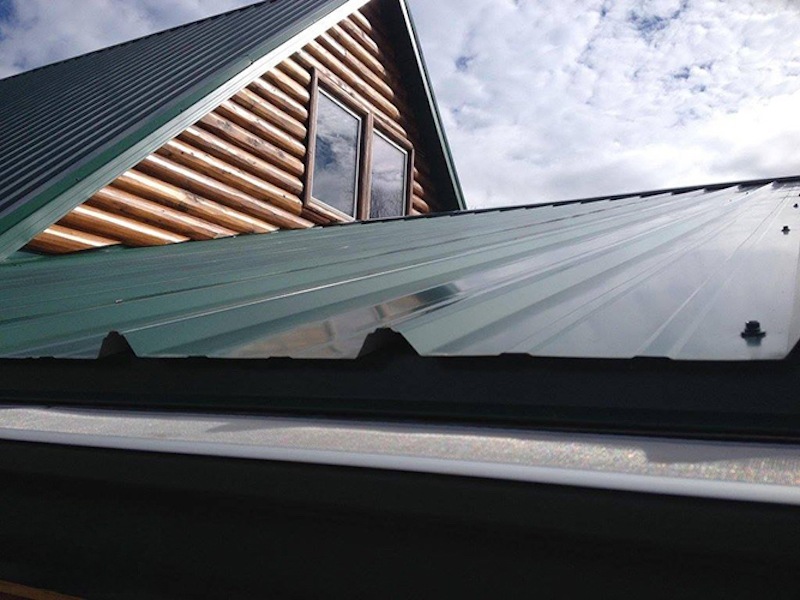
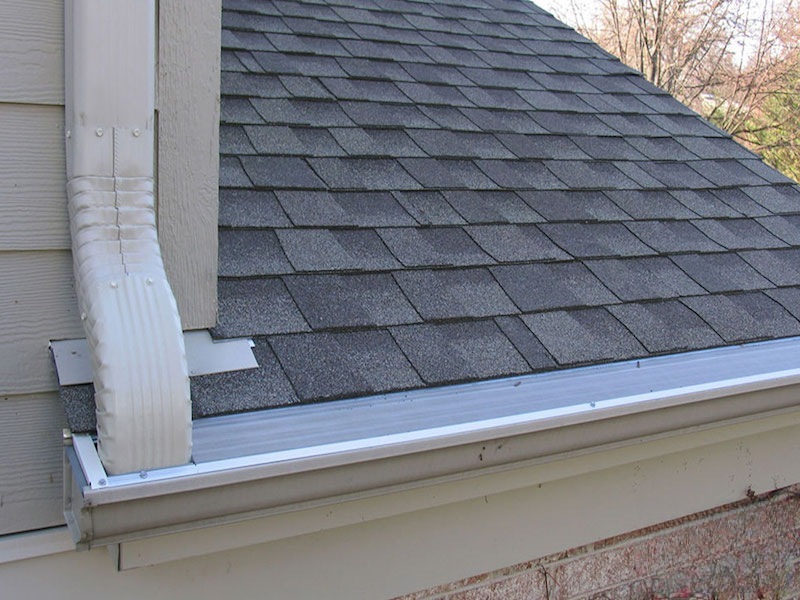
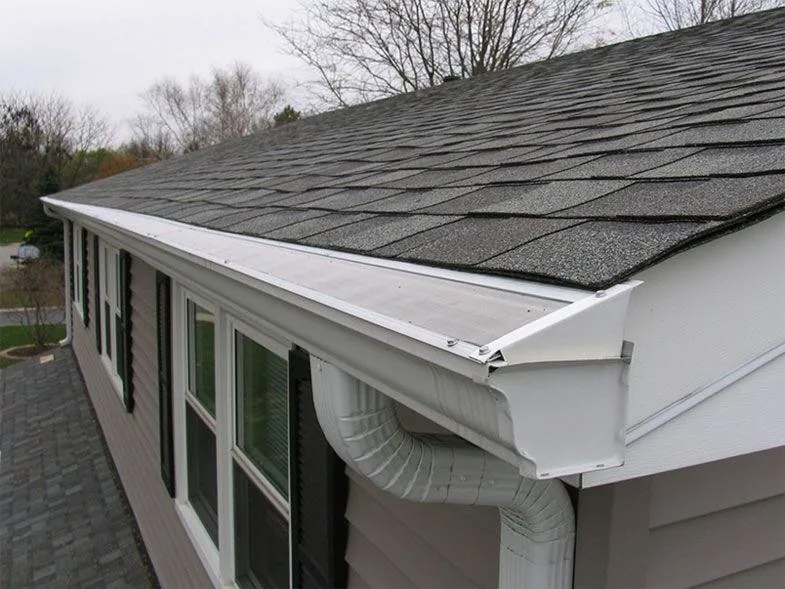
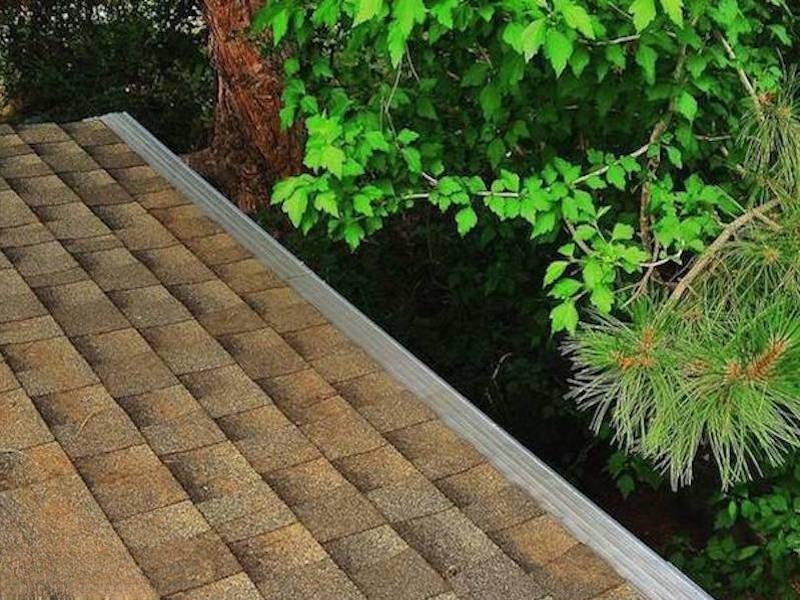
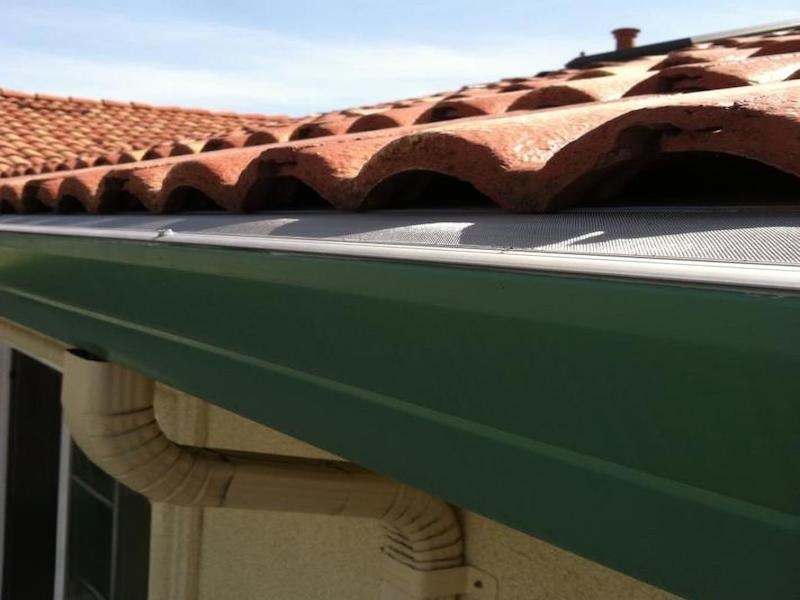
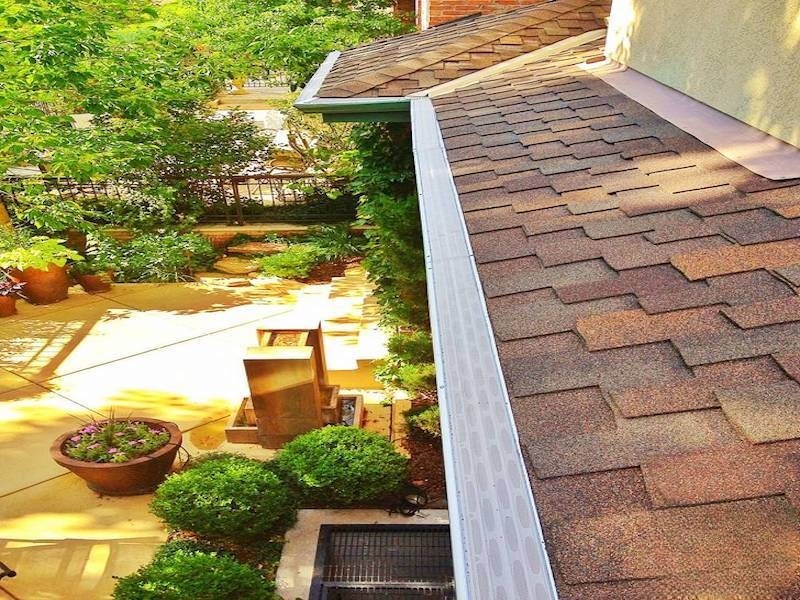
GutterDome is built from an extruded aluminum frame and T304 stainless-steel micro-mesh — both noncombustible materials — and it keeps leaves, pine needles, and debris out of the gutter entirely. Nothing combustible is added to your roofline.
What the Code Says
International Wildland-Urban Interface Code (IWUIC), §504 — Class 1 construction:
"Gutters and downspouts shall be constructed of noncombustible material. Gutters shall be provided with an approved means to prevent the accumulation of leaves…"
California Wildland-Urban Interface Code, Title 24 Part 7, §504.4 — Gutters and downspouts:
"Gutters and downspouts have to be noncombustible, and gutters need an approved means of preventing leaves and debris from collecting in them."
Pennsylvania adopts the IWUIC as part of its Uniform Construction Code, effective 1 January 2026. Colorado's Wildfire Resiliency Code requires noncombustible gutters and downspouts under §403.
Why Debris Control Is a Fire Requirement, Not a Maintenance Preference
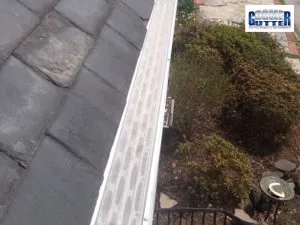
A gutter packed with dry leaves and needles does two things in a wildfire. It holds an ignition source against the fascia and roof edge, and it stops the gutter doing the one job it exists for — moving water away from the structure. The codes treat the two requirements as a pair for that reason: a noncombustible gutter that cannot shed debris still fails its purpose.
GutterDome's micro-mesh is sized to hold back pine needles, shingle grit, and seed pods while passing water at full flow. See how the micro-mesh works, and what that mesh size means for a roof edge in a dry wind.
How a Gutter Guard Earns a Fire Rating
Fire resistance in roofing and gutter products is measured against ASTM E-108, and the top result is Class A. The standard puts a product through three tests: resistance to intermittent flame, flame spread, and ignition from burning brands. To earn Class A, the material must not, at any point during or after the test, blow or fall off the deck as flaming or glowing brands, break, slide, crack or warp to expose the roof deck, let the roof deck fall away as glowing particles, or allow sustained flaming underneath the deck.
High-wind performance is tested separately: the product is applied to a roof deck to the manufacturer's specification, sealed, and subjected to a 63 mph wind for two hours. To qualify for a UL wind-resistance rating, not one piece may lift during that window.
The third measure is the one a homeowner can actually check. The U.S. insurance industry's criterion for a gutter guard to obtain a fire-resistance rating is that the guard must not have an opening equal to or greater than a quarter inch. The reasoning is the same one the codes follow: an opening that wide lets leaves and debris lodge in the guard itself, and a guard full of dry fuel is a worse fire edge than an open gutter.
GutterDome's mesh is far inside that line. Mesh count is openings per square inch, so the spacing between wires is at most one over the square root of that number:
- 40 mesh — 1,600 openings per square inch — openings no wider than 0.025 in
- 20 mesh — 400 openings per square inch — openings no wider than 0.05 in
Even the coarsest of the two, the 20-mesh high-flow guard, opens at most a twentieth of an inch — one fifth of the quarter-inch threshold, before accounting for the thickness of the wire itself, which makes the clear opening smaller still.
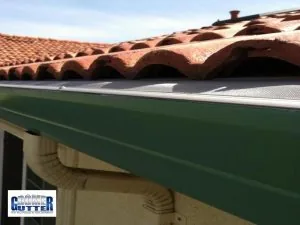 To be exact about what that is: GutterDome does not publish an ASTM E-108 classification, so the opening sizes above are dimensions, not a fire-test result. What the numbers establish is that the guard does not fail the industry's opening criterion for the reasons a coarse screen does. Confirm what your authority having jurisdiction accepts before you rely on any of it. The National Weather Service fire weather program publishes the outlooks and red flag warnings that tell you when the risk in your area is elevated.
Where These Requirements Apply
Wildfire gutter requirements attach to a mapped hazard area, not to a city line — so the answer is address-specific. They are in force across California, Pennsylvania, and Utah, and in Colorado under the Wildfire Resiliency Code. The EPA’s wildfire guidance covers what makes a home ignitable. We cover high fire hazard areas in these markets:
Boise · Denver · Erie · Philadelphia · Portland · Sacramento · Salt Lake City · San Francisco · San Jose · Seattle · Spokane
If your property is in a mapped hazard area and you want to know what your roofline calls for, contact a local GutterDome Dealer before fire season rather than during it.
Noncombustible Materials, Stated Plainly
The frame is extruded 6063 aluminum. The mesh is T304 stainless steel. Both are noncombustible. No plastic component is used in these profiles, and no combustible material is introduced at the roof edge.
What We Do Not Claim
GutterDome does not publish a fire rating and makes no claim of fire protection. What counts as an "approved means" is determined by your local code official, and compliance with any WUI requirement rests on the authority having jurisdiction. Confirm your property's fire hazard classification before specifying or installing anything.
GutterDome guards carry a lifetime limited warranty and are installed by our Dealer network. Browse the full gutter guard range.
Ready to get a high fire hazard roofline sorted before the season?