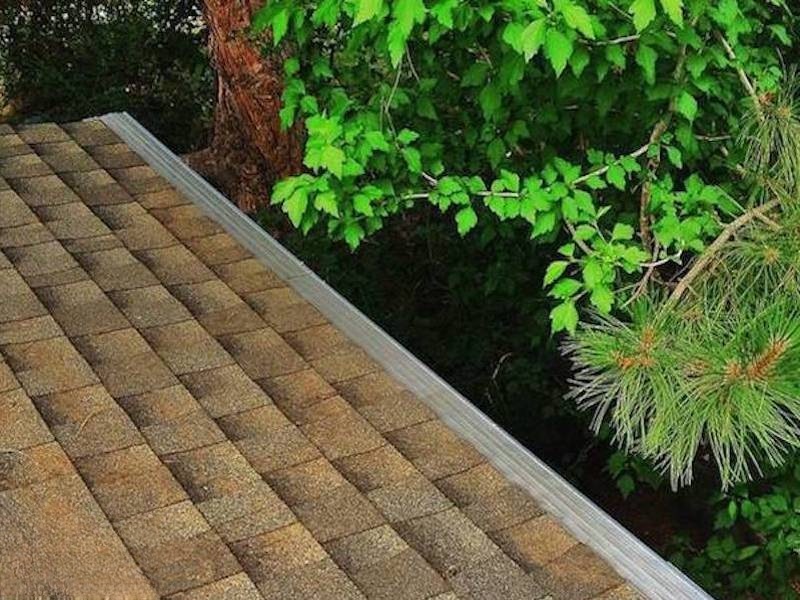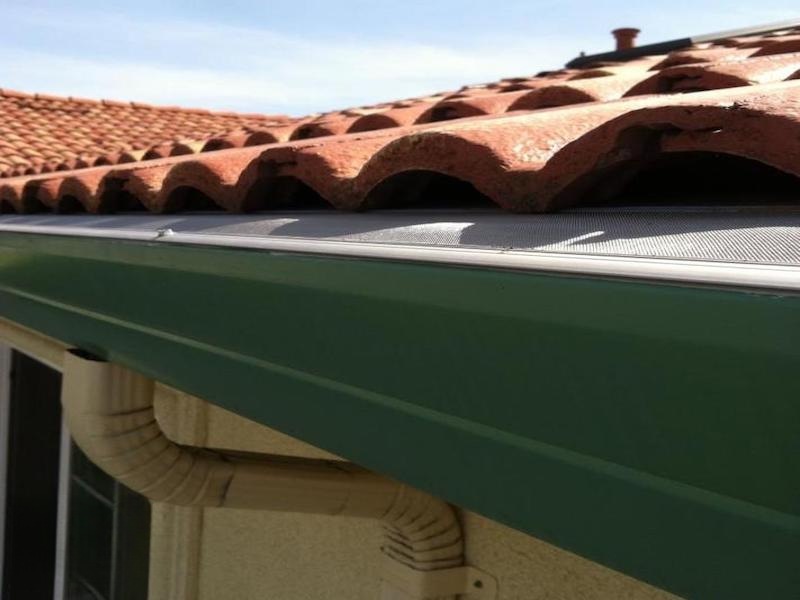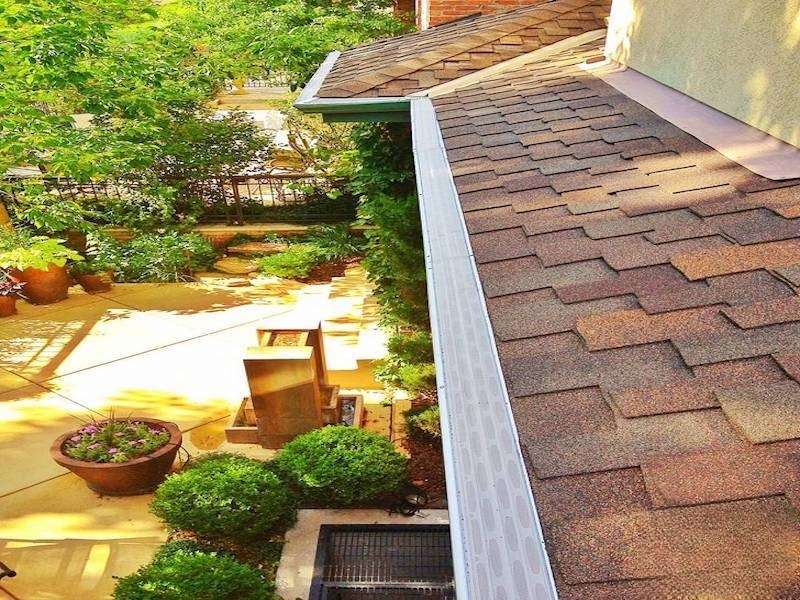
Timing matters with home improvements, and gutter protection is no exception. While gutter guards can technically be installed year-round, fall offers a unique combination of practical advantages that make it the ideal season. From weather conditions to contractor availability to the natural rhythms of your home's maintenance calendar, there are several compelling reasons why homeowners planning to install gutter guards should target September and October. Here's why fall is the sweet spot — and why waiting until spring could cost you more than you think.
Get Ahead of the Leaves — Before They Get Ahead of You
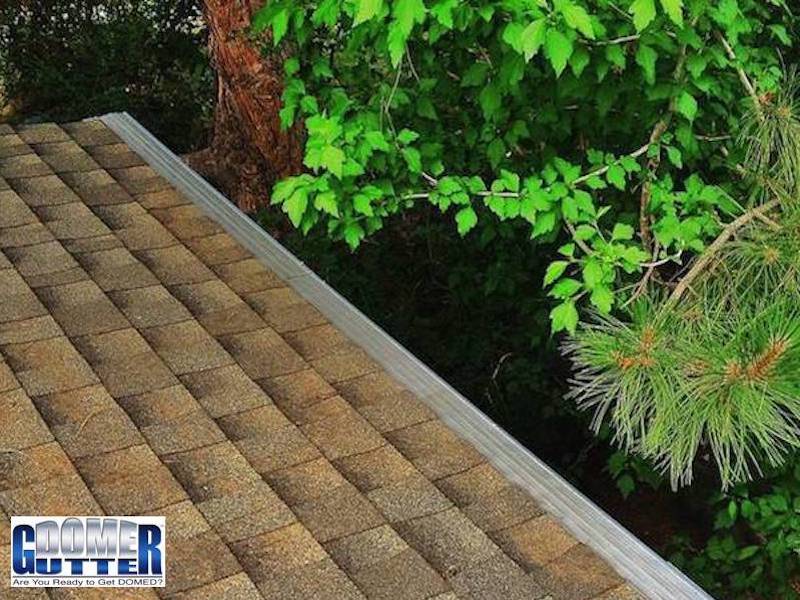
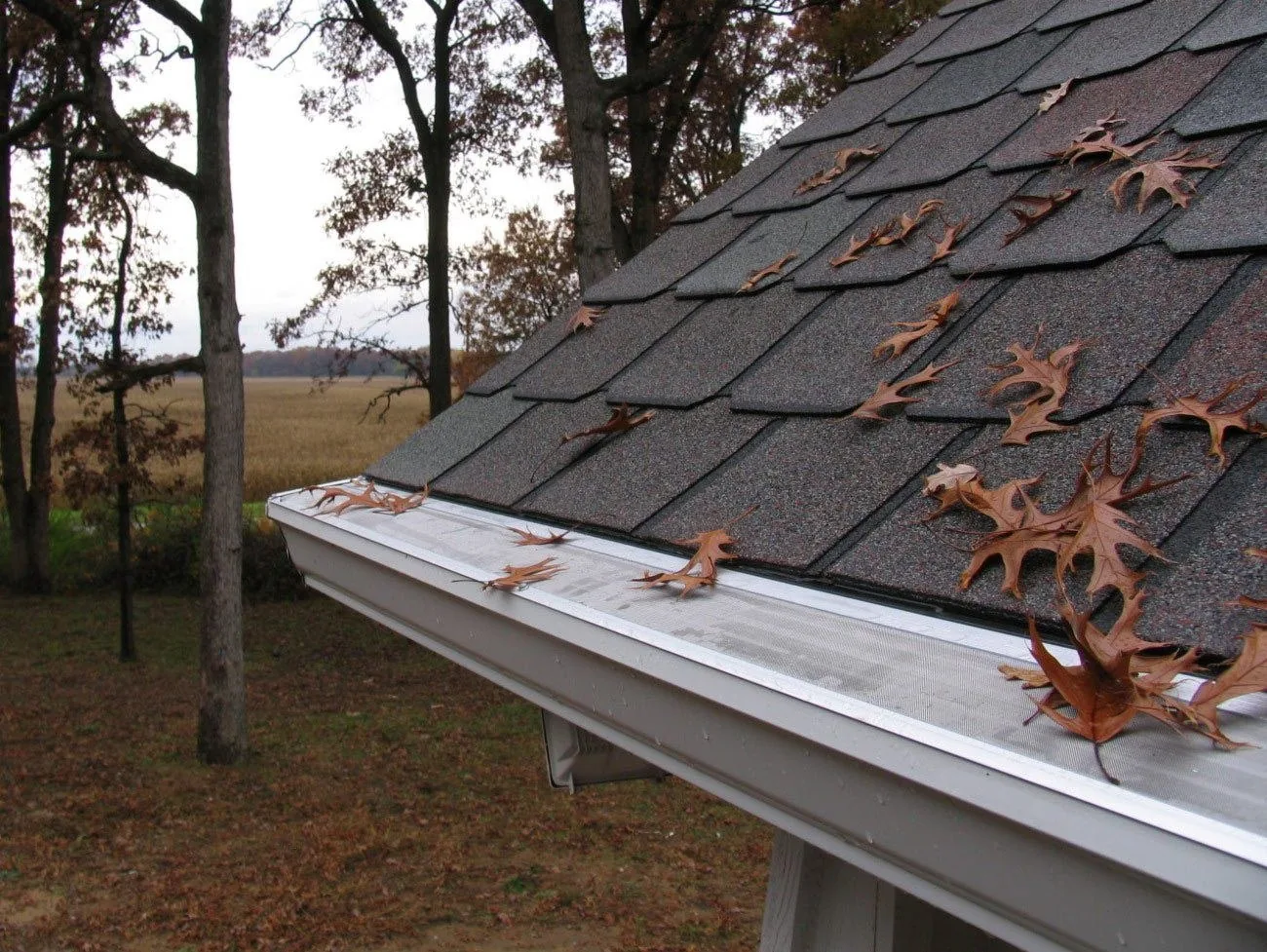
Fall is leaf season, and for unprotected gutters, that means one thing: a nonstop cycle of clogging and cleaning. A typical mature hardwood tree drops between 200,000 and 400,000 leaves over the course of the season. With multiple trees near your roofline, the volume of debris landing in your gutters can overwhelm even the most diligent cleaning schedule. By installing gutter guards before the heavy leaf drop begins, you intercept the problem at the source — keeping leaves, pine needles, seed pods, and twigs out of the gutter channel entirely. Instead of climbing a ladder every two weeks throughout October and November, you let the gutter guard system do the work for you. For older homeowners or anyone uncomfortable with ladder work, this is more than a convenience factor — it's a safety decision. Falls from ladders send over 500,000 people to the emergency room each year, and gutter cleaning is one of the most common triggers.
Mild Weather Means Better Installation Conditions
Fall temperatures are typically ideal for exterior work. Unlike summer, when roofing and gutter materials can become uncomfortably hot to handle — aluminum gutters in direct July sun can reach 140°F or higher — or winter, when cold makes materials brittle and sealants refuse to bond properly, autumn delivers the Goldilocks zone for installation. Sealants cure more reliably, fasteners seat properly, and installers can work efficiently without heat exhaustion or frozen fingers. From a materials perspective, the moderate temperatures of September and October allow aluminum and stainless-steel components to be installed at their ideal expansion point, reducing the stress that extreme heat or cold can place on fasteners and seams over time. The result is a higher-quality installation that performs better from day one and lasts longer.
Prepare for Winter Before It Arrives
Once winter hits, gutter problems multiply. Clogged gutters filled with fall debris freeze into solid blocks of ice, contributing to ice dam formation that can force water under your shingles and into your attic. The freeze-thaw cycle — water freezing at night and expanding, then melting during the day — exerts tremendous pressure on gutter seams and fasteners, accelerating wear and creating leaks at the joints. A gutter protection system installed in the fall ensures your gutters are clean and free-flowing before temperatures drop. That means no frozen debris dams, no ice backup, and no mid-winter emergency calls to a contractor who's already booked solid. Winter water damage is among the most expensive to repair because it often goes undetected until spring, by which point mold, rot, and structural damage have had months to develop behind the walls.
Beat the Spring Rush and Lock In Better Pricing
Spring is the busiest season for home improvement contractors, including gutter installers. Every homeowner who noticed a problem over the winter calls in March and April, creating a backlog that can push installations out by weeks or months — right into the spring rain season when you need gutter protection most. By scheduling your gutter guard installation in the fall, you avoid the spring backlog, get more flexible scheduling, and often secure better pricing before annual rate increases take effect. Many contractors offer fall promotions specifically because demand is lower, making it a win-win for homeowners who plan ahead.
What to Look For in a Gutter Guard System
One scheduling detail catches homeowners every year: fall is when installation calendars fill up. A system measured and mounted in September can be finished before the first hard frost, but the same job requested in late October often waits behind a queue of roof repairs booked ahead of winter. Booking early also means the installer can work in mild conditions rather than racing a freeze, and any follow-up adjustment — a tight corner section, a run that needs a second look after the first heavy rain — happens while the weather still allows it. If you are weighing gutter protection this year, the practical deadline is the week the leaves start turning, not the week they are already down.
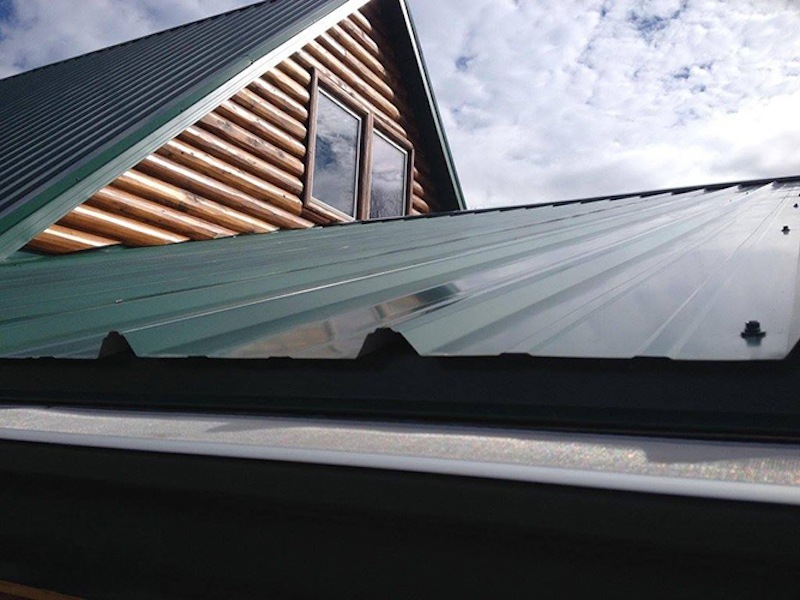
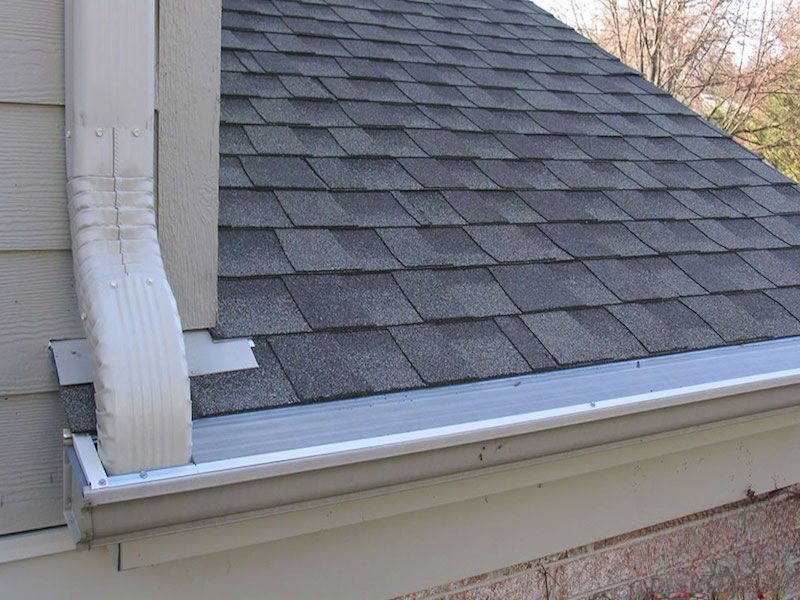
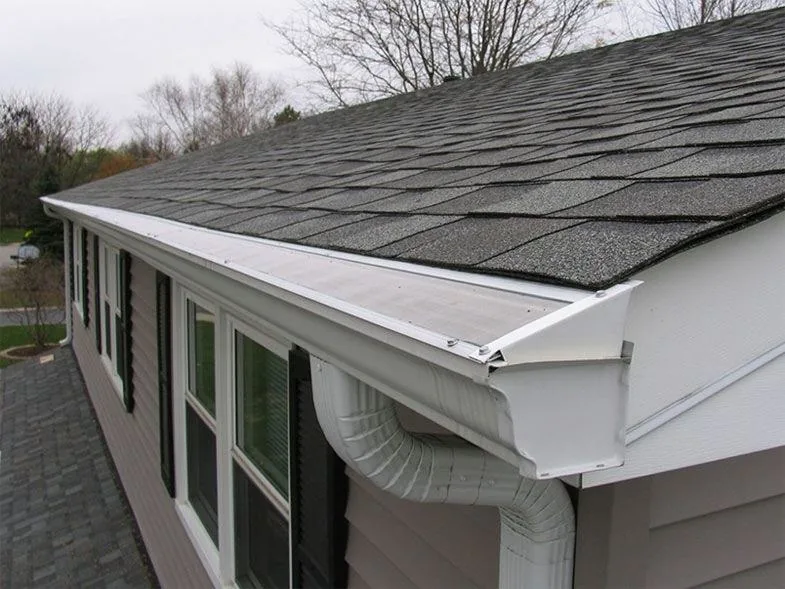
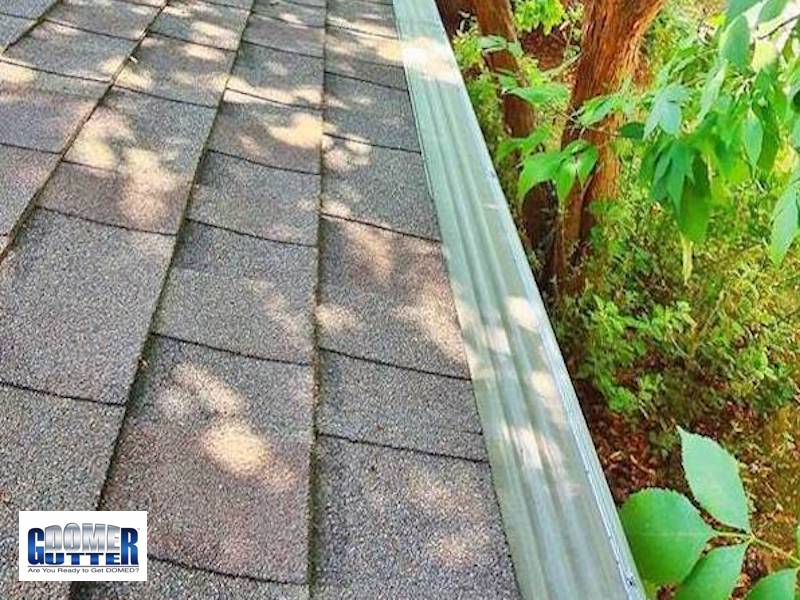
Not all gutter guards are created equal, and fall is the right time to do your research before installation season gets busy. The three key factors to evaluate are material, design, and warranty. Look for gutter guards made from heavy-gauge aluminum or stainless steel rather than plastic or foam inserts, which degrade under UV exposure and freeze-thaw cycling. The best designs use a raised, textured surface that allows water to flow through via surface tension while shedding leaves, pine needles, and debris over the edge — known as micro-mesh or reverse-curve technology. Avoid products with large openings that let debris through or flat surfaces that provide a landing pad for leaves. And always verify the warranty: a lifetime transferable warranty signals the manufacturer stands behind the product, while a five-year limited warranty suggests it's designed to be replaced, not to last. Installing the right system in the fall gives it the entire winter to prove itself before spring rains put it to the test.
Ready to get your gutters protected before the leaves come down?