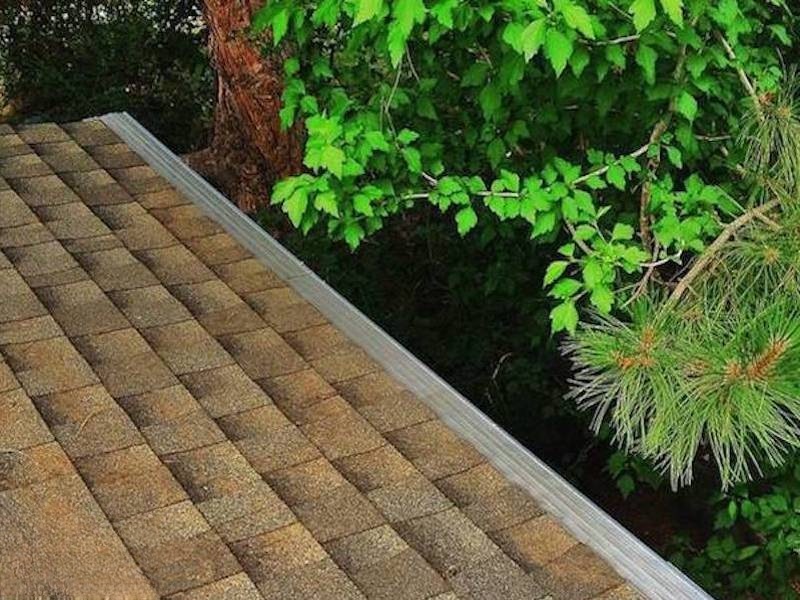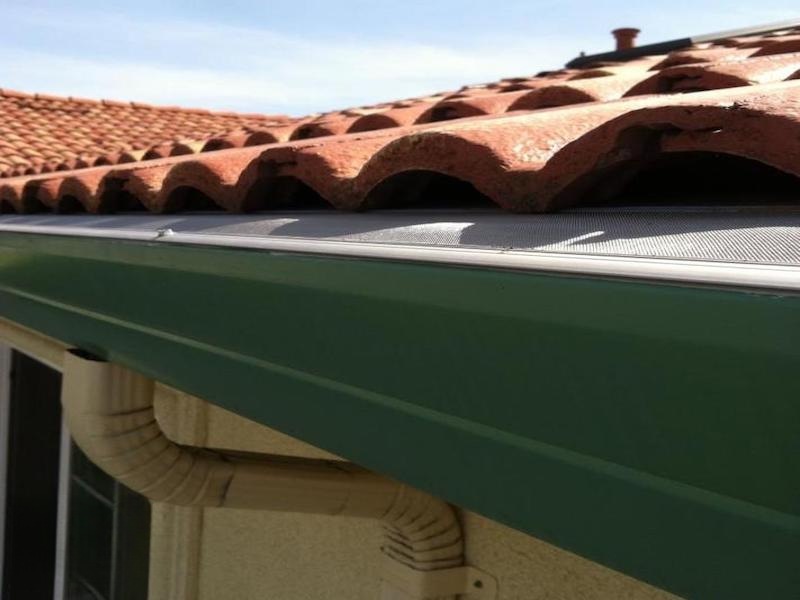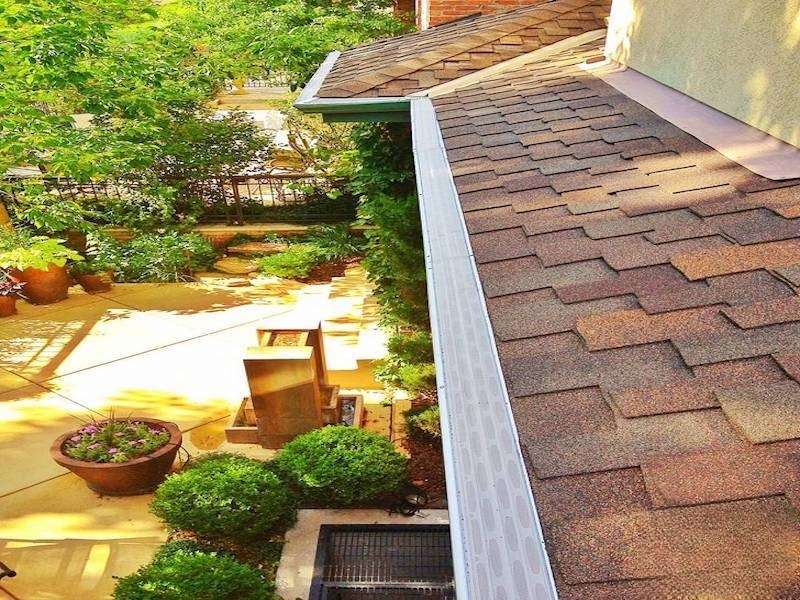
A flooded basement is every homeowner's nightmare. The smell, the damage, the ruined belongings — and the sinking feeling that comes with knowing it could have been prevented. While sump pumps and foundation sealants get most of the attention in basement waterproofing conversations, the real first line of defense sits two stories higher: your gutter system. When gutters fail, everything below them is at risk. Understanding how water travels from your roof to your basement — and where that journey typically goes wrong — is the key to keeping your lower level dry.
How Water Finds Its Way Into Your Basement
When gutters can't do their job — either because they're clogged with leaves and debris or because downspouts don't carry water far enough from the house — rainwater drops straight down along the foundation wall. Over a single season, a 2,000-square-foot roof can shed over 12,000 gallons of water. If even a fraction of that water lands at the foundation instead of being channeled away, the results are inevitable. The soil around your foundation becomes saturated, hydrostatic pressure builds against the basement walls, and water finds its way through every crack, seam, and porous surface. What starts as a damp basement corner can become several inches of standing water after a heavy storm.
The freeze-thaw cycle in late fall and early spring makes the problem worse. Water-saturated soil expands when it freezes, pushing against foundation walls with tremendous force. Then, when it thaws, the soil contracts, creating new gaps that weren't there before — and inviting more water in during the next rainfall. This cycle repeats dozens of times each winter, progressively widening foundation cracks and creating pathways that will cause problems for years to come. Properly functioning gutters break this cycle before it starts by keeping the soil around your foundation dry enough that freeze-thaw expansion never becomes an issue.
The Downspout Extension Rule Most Homeowners Miss
Here's a simple standard that the vast majority of homeowners overlook: downspouts should carry water at least four to six feet away from the foundation. Anything less, and you're essentially pouring water directly onto your basement walls, storm after storm. Walk around your house during the next rain and watch where your downspouts discharge — if the water pools anywhere within four feet of the foundation, your system needs adjustment. Downspout extensions, splash blocks, and underground drain pipes are inexpensive solutions that can make an enormous difference. But none of them work if the gutters feeding them are clogged. The entire system has to function from top to bottom — roof to downspout to discharge point.
Grading and Landscaping: The Second Layer of Defense
Even with perfect gutters, if the soil around your home slopes toward the foundation instead of away from it, water will collect where you don't want it. The ideal grade drops about six inches over the first ten feet from your foundation — roughly a five percent slope. This is code in most municipalities for new construction, but many older homes were built before these standards were enforced, and years of soil settling can flatten or even reverse the original grade. Take a walk around your house with a level or a long straightedge. If the ground slopes toward your foundation, regrading with compacted fill dirt — ideally clay-rich soil that resists water penetration — should be on your priority list alongside gutter maintenance. Mulch beds and landscaping can also contribute to the problem if they're built up against the foundation, creating what's essentially a dam that holds water against your basement wall.
How Gutter Guards Complete the System
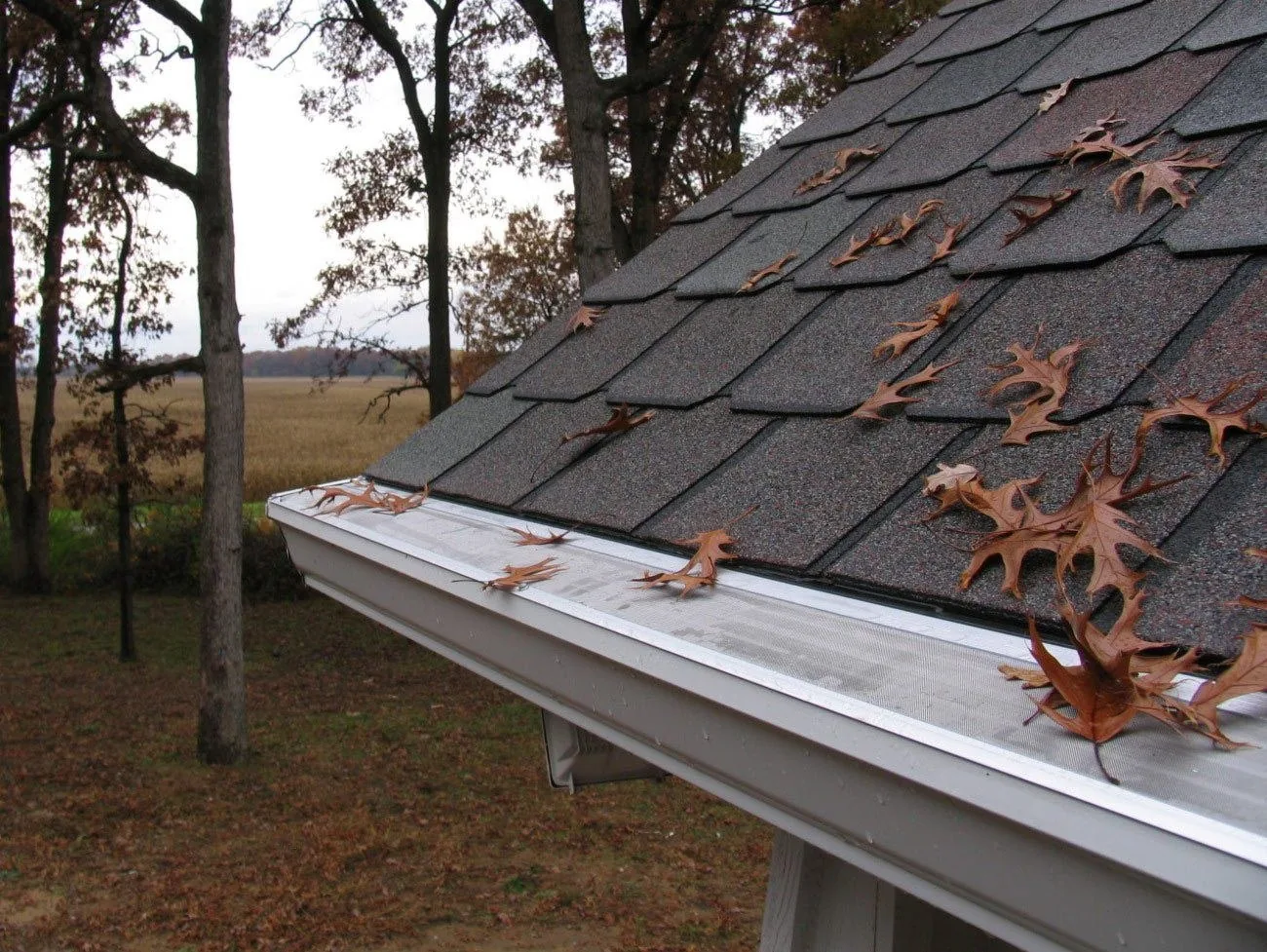
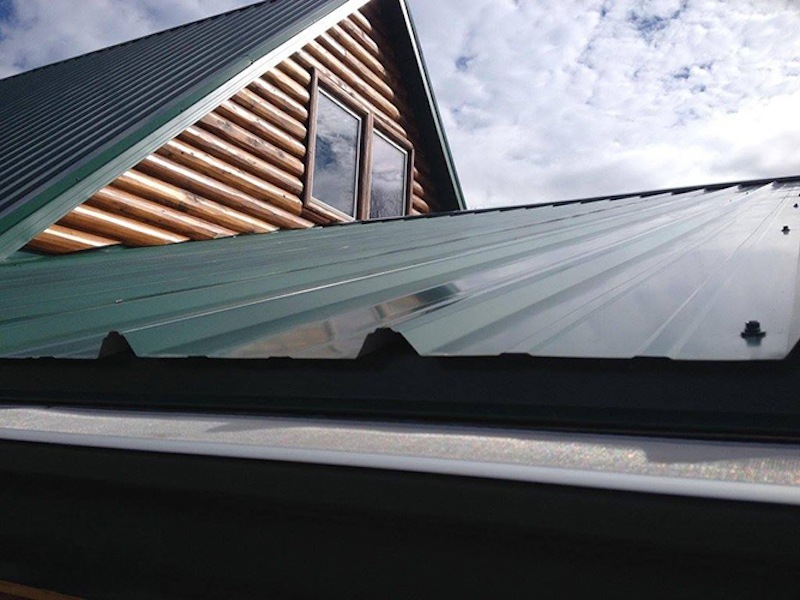
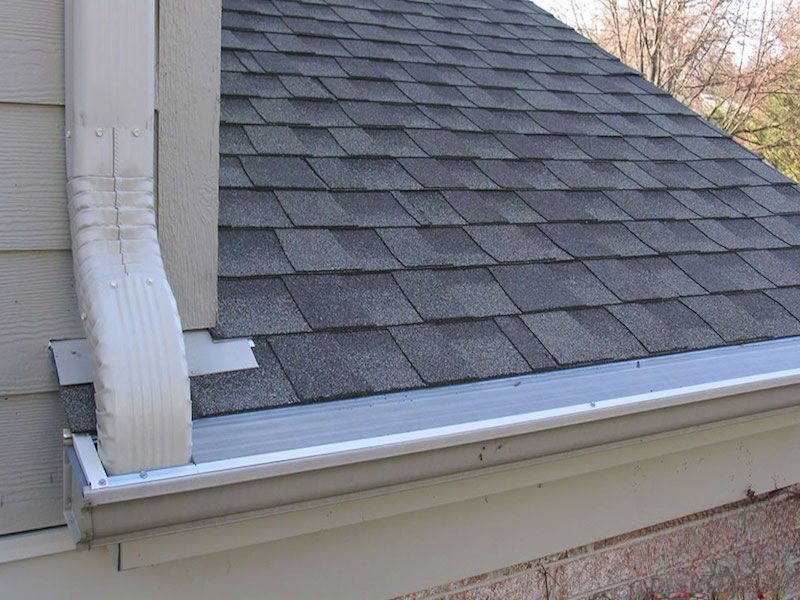
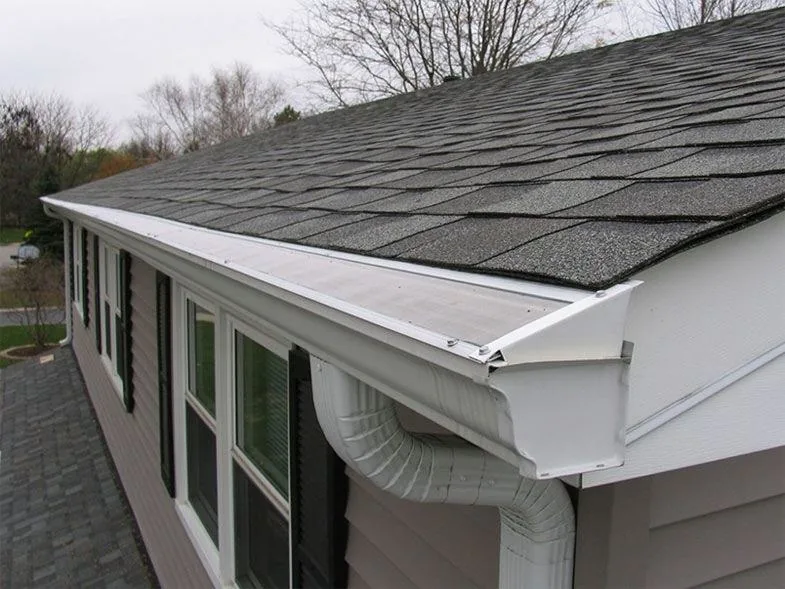
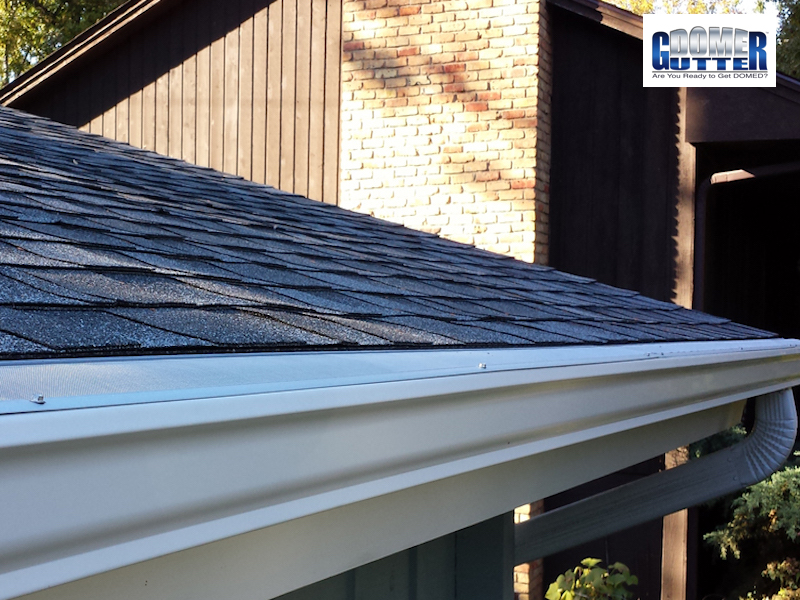
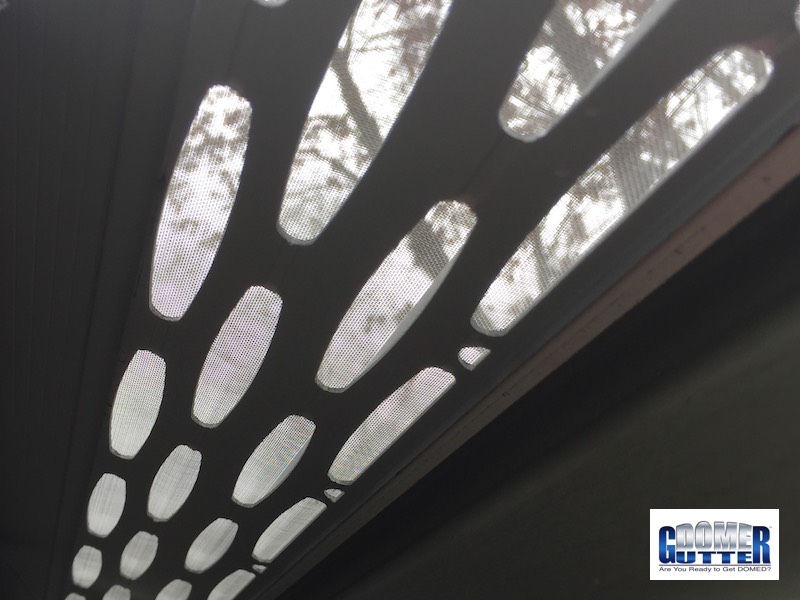
Gutter guards address the first and most critical link in the chain: they keep debris out so water flows freely through the gutters and into the downspouts. Without that first step working, everything else — downspout extensions, grading, foundation sealants — is fighting a losing battle. A gutter protection system ensures that every drop of rain that hits your roof is channeled away from your foundation, not dumped alongside it. When paired with proper downspout routing and adequate grading, gutter guards create a complete water management system that keeps your basement dry through even the heaviest storm seasons.
Don't Wait for the Next Storm to Find the Weakness
There is a simple way to test the system you already have, and it takes one rainy afternoon. Walk the perimeter while water is running and watch each downspout: what you want to see is a steady, unobstructed flow that carries well clear of the wall and away from the planting beds. What you do not want to see is a trickle, a downspout that overflows at the top, or water pooling anywhere within four feet of the foundation. Those three symptoms account for most of the basement water that arrives after a storm, and each one points at a specific fix — a cleared channel, a longer extension, or a grade that needs correcting. Finding them during a light rain costs nothing. Finding them during a storm surge is what the repair bill is made of.
The most dangerous thing about basement flooding is how preventable it usually is. In the vast majority of cases, the water that ends up in a basement entered the equation at the roofline — through a gutter system that was overwhelmed, clogged, or simply incapable of handling the volume. Every storm that passes over your house is a test of your water management system, and if your gutters aren't up to the task, the results can be measured in thousands of dollars of damage per incident. A one-time investment in gutter protection, combined with proper downspout routing and foundation grading, is the closest thing to a guarantee that your basement stays dry. When you compare the cost of gutter guards — typically a few hundred to a few thousand dollars depending on home size — against the $11,000 average water damage claim or the $5,000 to $15,000 cost of a basement waterproofing retrofit, the math is straightforward. Prevention costs a fraction of remediation.
Ready to keep your basement dry this season?