Micro Mesh Gutter Guards for St. Louis, MO Homes
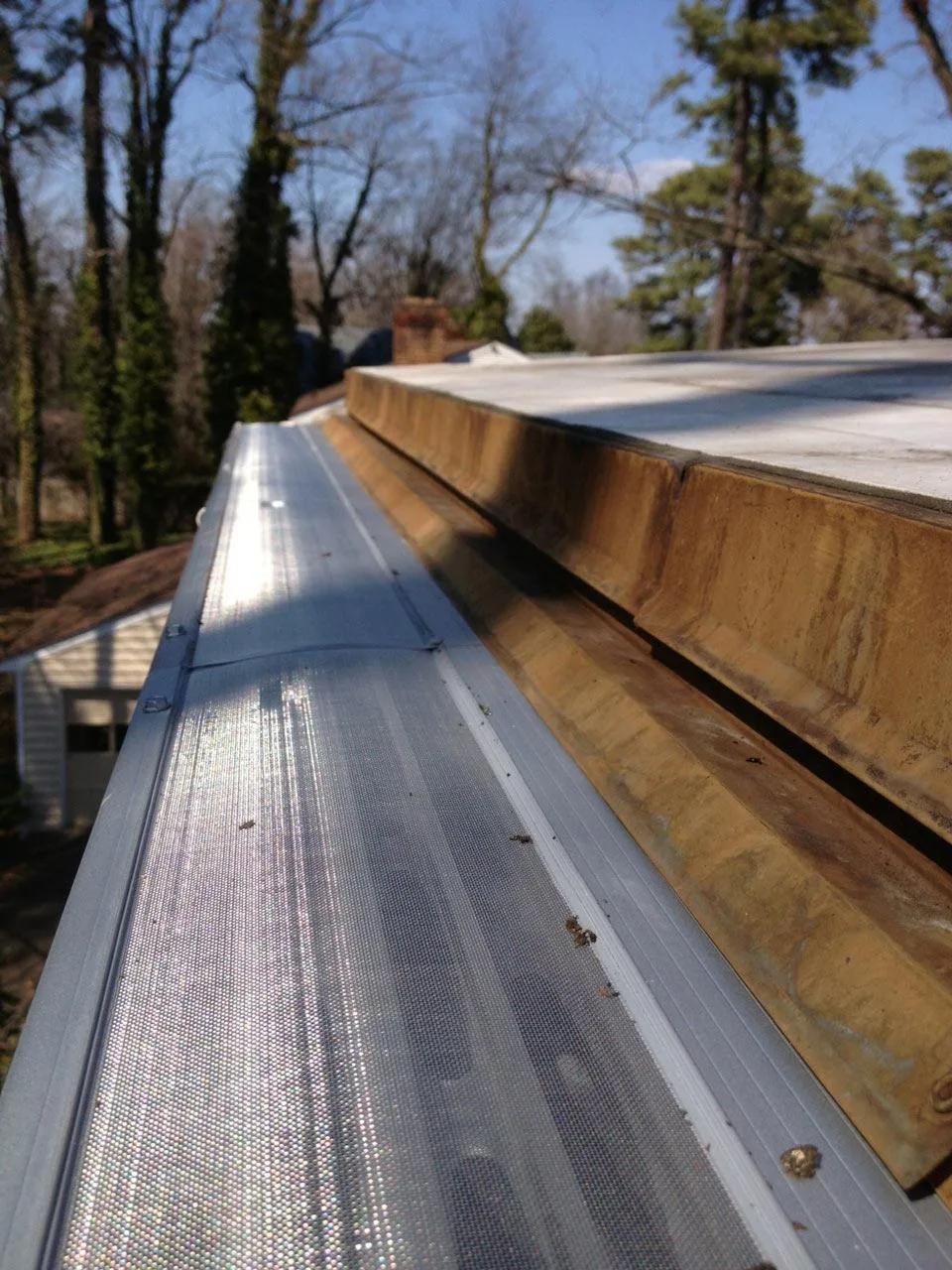
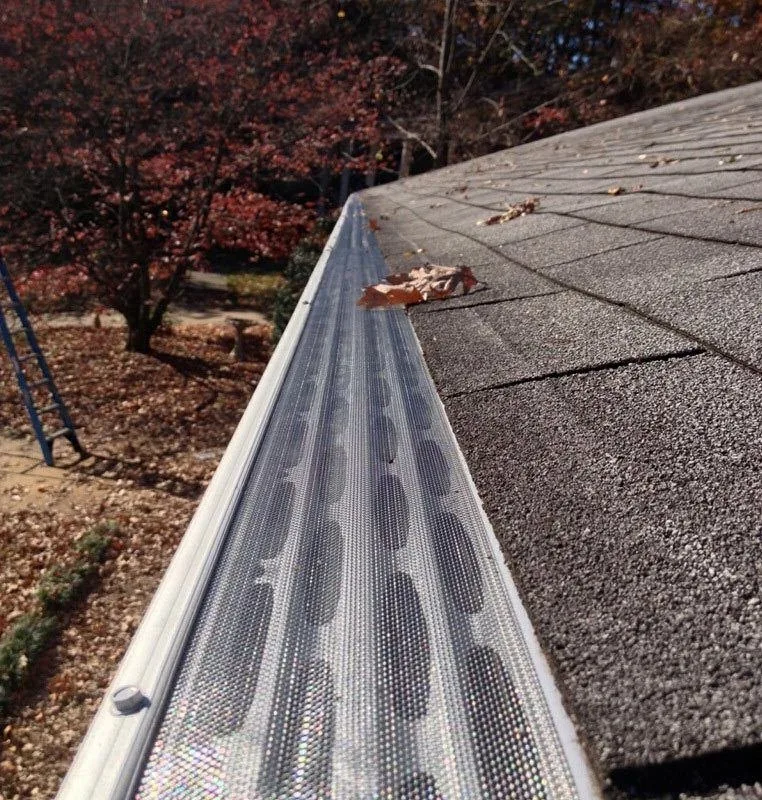
Micro mesh gutter guards for St. Louis, MO homes are the most effective defense against the metro’s fine debris — the oak and hickory leaf shred, maple samaras, elm seeds, and shingle grit that coarse guards let through. A micro mesh guard uses a fine stainless-steel screen, typically a #40 mesh with 1600 holes per square inch, that stops small particles while still shedding the region’s sudden downpours. For a city whose hardwood canopy drops a heavy, wet leaf load every fall, that fine filtration is the difference between a gutter that stays clear and one that clogs with sludge. Here’s how micro mesh works and why it fits St. Louis.
How Micro Mesh Gutter Guards Work
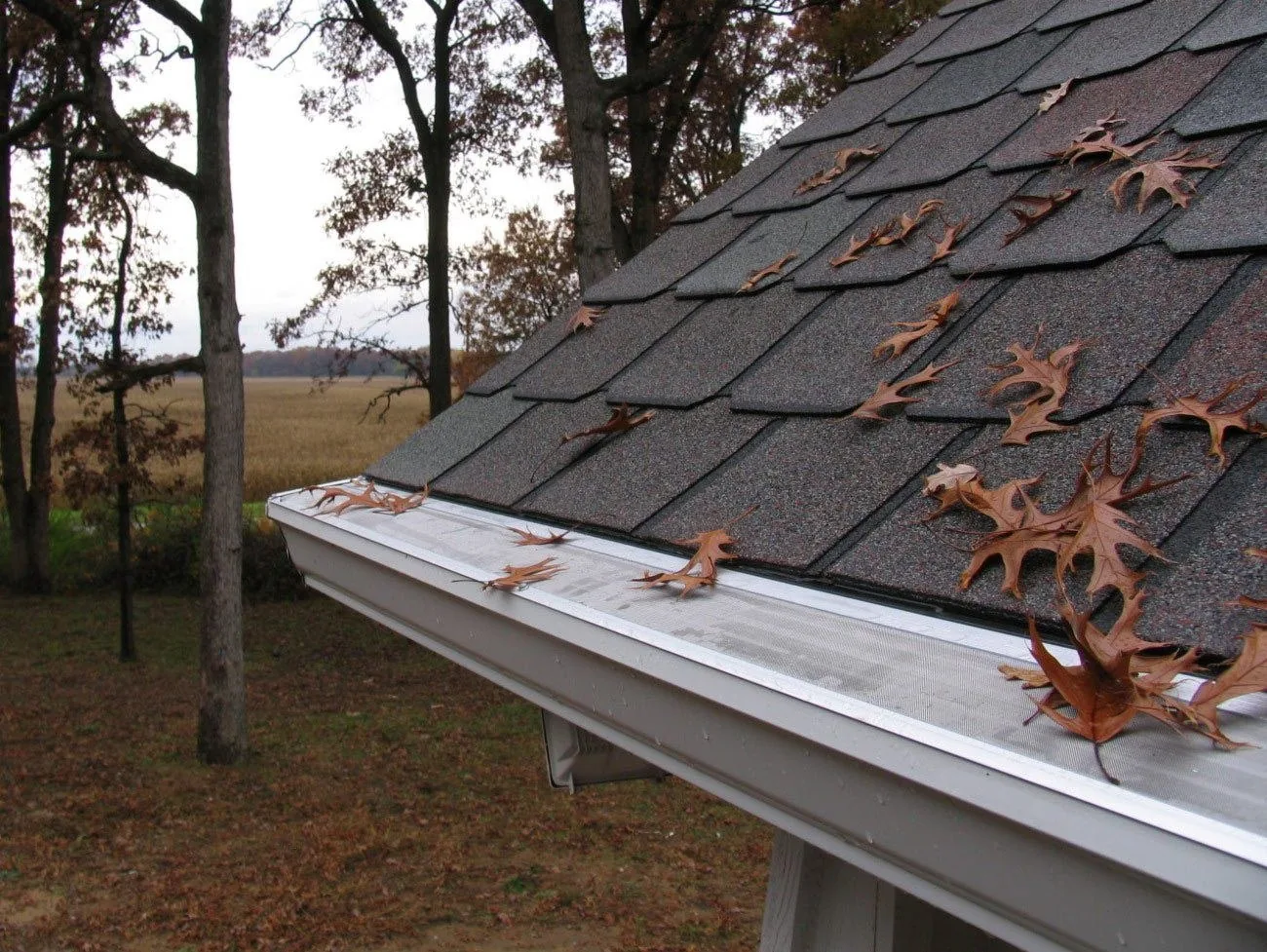
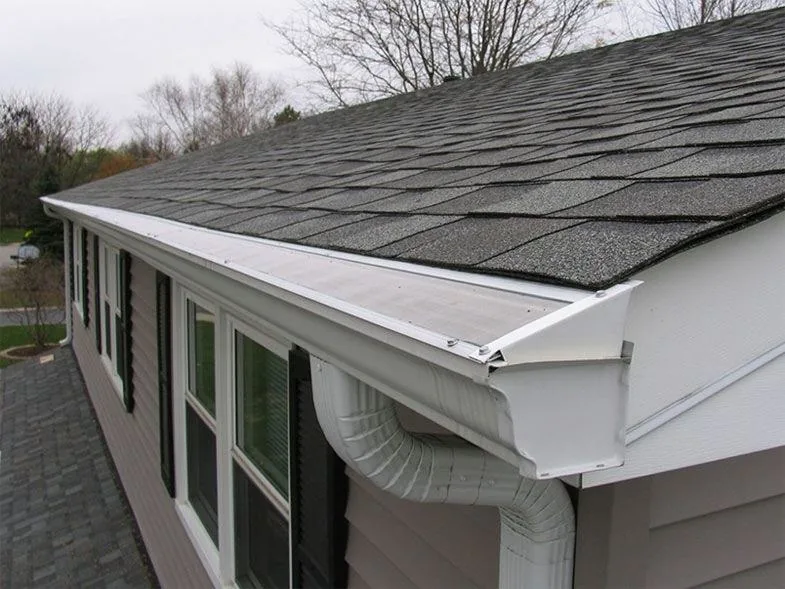
Micro mesh guards sit over the top of the gutter as a tight, fine screen. Debris — leaves, twigs, seed pods, and grit — lands on the mesh and slides or blows off, while rainwater and snowmelt pass through the tiny openings and drain down the downspouts. Because the openings are so small, fine particles that would slip through a coarse screen are stopped at the surface, where they dry and wash away instead of packing into the trough. The result is a gutter that stays clear without the scoop-and-clean routine.
The key is the mesh itself. GutterDome’s micro mesh is woven from surgical-grade T304 stainless steel in a plain weave, set in a 6063 extruded aluminum body tempered to T5 strength with a corrosion-proof anodized finish — materials chosen to survive St. Louis’s humidity, freeze-thaw cycling, and hail.
Why Fine Mesh Matters in St. Louis
St. Louis’s debris problem is a fine-debris problem. The metro’s oak-and-hickory canopy — white, red, and black oak, shagbark hickory, sugar maple, plus elm and sycamore — doesn’t just drop whole leaves; it sheds leaf shred, twigs, and seed samaras that mat into a dense, wet sludge. The region’s humid air keeps that debris heavy, and the repeated late-winter freeze-thaw cycles pack it down. A guard with coarse openings lets that fine material through, where it builds up and eventually blocks the very gutter the guard was meant to protect.
A #40 micro mesh stops the small stuff at the source. At 400 microns — 1600 holes per square inch — the openings are too small for samaras and leaf shred to enter, yet large enough to pass the water from a sudden thunderstorm. That balance is what separates a micro mesh guard from a screen that either clogs or overflows.
The GutterDome Micro Mesh Lineup
GutterDome builds micro mesh guards in several mesh grades and body styles so your Dealer can match the right one to each part of your home:
- GutterDome (GD45): a #40 mesh stainless steel screen (1600 holes per square inch, 400 microns) for standard 4-inch to 5-inch gutters — the flagship for the metro’s leaf-heavy homes.
- GutterDome (GD67): the same #40 mesh (1600 holes per square inch, 400 microns) for larger 6-inch to 7-inch gutters.
- GutterDome Magma (GD45M): a #20 mesh (400 holes per square inch, 842 microns) — an open-flow guard for high-water-flow areas, inside and simulated miters, and storm-prone eaves.
- GutterDome Magma (GD67M): a #20 mesh (400 holes per square inch, 842 microns) for larger 6-inch to 7-inch gutters, with a cold-weather and heat-trace option.
- GutterDome Adjustable (GD45A): a #40 mesh (1600 holes per square inch, 400 microns) with a back wing one inch narrower, for steep roofs above a 6/12 pitch.
- GutterDome uPVC (GD45P): a T304 stainless steel #30 mesh (900 holes per square inch, 595 microns) in a corrosion-proof, UV-resistant white uPVC body.
Micro Mesh vs. Other Guard Styles
Micro mesh holds an edge over other guard styles for St. Louis conditions. Hood-style and reverse-curve guards rely on water wrapping around a curved edge, and they can overflow in the wind-driven rain of a severe thunderstorm; foam and brush inserts sit inside the gutter and still hold moisture against the metal. Micro mesh, by contrast, passes water straight down through thousands of openings while keeping fine debris on top. The payoff is a gutter that keeps draining during the downpour that matters most — and a home that stays clear of the water damage a backed-up gutter causes. The Insurance Information Institute’s water-damage prevention guide notes that keeping gutters and downspouts clear and directing water away from the home is one of the most effective steps a homeowner can take against the costliest class of household damage.
Ready to find the right gutter guard for your St. Louis home? Contact your local GutterDome Dealer today for a free, no-obligation estimate.
What to Look for in a Micro Mesh Guard
When you compare micro mesh guards, check three things. First, the mesh: stainless steel, not plastic or coated wire that degrades under sun and storm. Second, the frame: extruded aluminum that won’t sag, with a finish that survives humidity and freeze-thaw. Third, the warranty: a real, transferable lifetime warranty says the manufacturer expects the guard to outlast the roof. GutterDome’s micro mesh guards check all three — and every one is backed by a 30-Year Lifetime Limited Warranty. For a look at how micro mesh ranks against the rest, see our guide to the best gutter guards for St. Louis homeowners.
Communities We Serve Across the St. Louis Metro
GutterDome installs micro mesh gutter guards throughout the bi-state St. Louis metro — in St. Louis, St. Charles, Chesterfield, O’Fallon, Florissant, Kirkwood, Clayton, St. Peters, Wentzville, and Ballwin on the Missouri side and Belleville, Edwardsville, O’Fallon, Granite City, Alton, Collinsville, Fairview Heights, and Waterloo on the Illinois side — across St. Louis City, St. Louis County, St. Charles, Jefferson, Franklin, Lincoln, and Warren counties in Missouri and Madison, St. Clair, Monroe, and Clinton counties in Illinois.
Frequently Asked Questions
Q: What is the best mesh size for St. Louis debris?
A: The #40 mesh (1600 holes per square inch, 400 microns) is the best all-around choice, fine enough to stop oak and hickory leaf shred and maple samaras while still shedding downpours.
Q: Will micro mesh overflow in a heavy storm?
A: No. A properly installed micro mesh guard passes water through thousands of openings, so it sheds fast downpours without overflowing. For the most storm-facing eaves, the high-flow Magma #20 mesh is available.
Q: Does micro mesh stop pine needles and samaras?
A: Yes. The 400-micron openings are too small for pine needles, maple samaras, and elm seeds to enter, while water still passes through.
Q: Does micro mesh need cleaning?
A: Occasionally, but far less than a bare gutter. Most debris dries on the surface and blows away; an occasional light rinse keeps the mesh clear, especially after the fall leaf drop.
Q: How long does a micro mesh guard last?
A: Quality micro mesh guards built from surgical-grade T304 stainless steel and extruded aluminum last the life of the roof. GutterDome’s carry a 30-Year Lifetime Limited Warranty.
Q: Is micro mesh compatible with all gutter types?
A: Yes. Micro mesh guards install over most existing K-style and half-round gutters in 4-inch to 7-inch widths, so they work with the vast majority of St. Louis homes without gutter replacement.
Stop St. Louis’s fine debris at the source. Get a free price from your local GutterDome Dealer today.