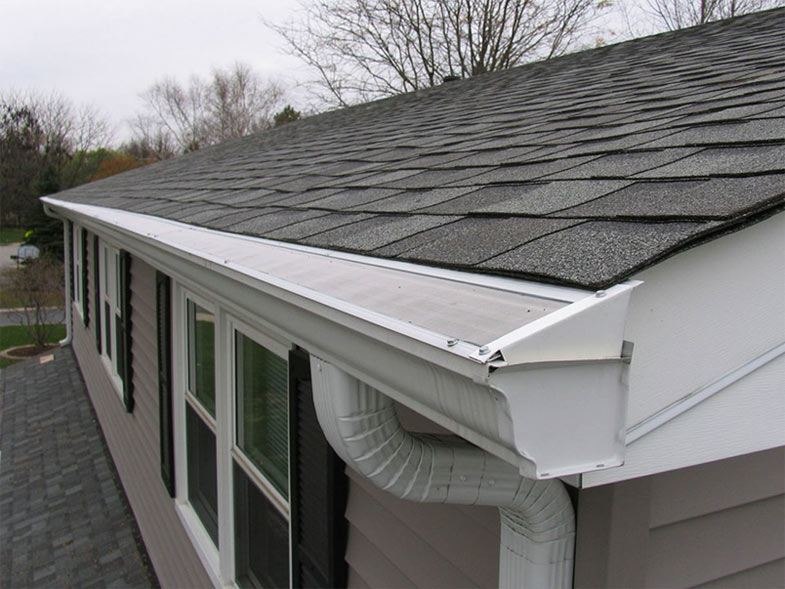

For seniors entering house flipping and soon-to-retire homeowners who still want control over their time, retirement can bring real tension: fixed income meets rising home upkeep and surprise repairs like clogged gutters that lead to water damage and costly cleanups. House flipping offers a practical form of real estate investment for seniors that can turn housing know-how into retirement income opportunities without needing to be a full-time job. Done with clear expectations, it becomes a repeatable project where home renovation benefits, safer, drier, easier-to-maintain homes, also support stronger resale value. For many older homeowners, this is senior entrepreneurship with a clear purpose.
Build Your First House-Flip Plan, Start to Funding
Here's how to move from idea to action. This startup process helps you go from "I could flip a house" to a clear, finance-ready plan you can execute without letting surprises derail you. For homeowners who care about gutter protection and low-maintenance living, the goal is to prioritize water-control upgrades early so the home stays dry, clean, and easier to own and sell.
Step 1: Research your local market and set a simple profit target
Start by tracking recently sold prices, days on market, and common buyer expectations in the neighborhoods you can realistically manage. Use this to define your "minimum acceptable profit" and timeline so you do not chase projects that demand too much time or ladders. Many investors benchmark profitability using the average house flip profit margin as a reality check, then adjust for risk, time, and their comfort level.
Step 2: Build a flip budget with a safety buffer and a maintenance-first scope
List every cost category: purchase price, closing costs, holding costs, insurance, utilities, dumpsters, labor, and materials. Then add a contingency so one hidden leak or rotten fascia board does not force you into rushed decisions, since a 20% buffer in your renovation budget can keep the project stable. Put gutter cleaning, gutter guards, downspout extensions, and drainage corrections in the "must-do" column because water damage ruins budgets fast.
Step 3: Define your property search filters and your deal breakers
Choose your target home type, price range, and maximum rehab level you can oversee safely, then write down deal breakers like major foundation movement or chronic basement flooding. Focus on properties where water management upgrades are straightforward, such as clear rooflines, accessible downspouts, and grading you can improve without heavy equipment. This keeps your flip aligned with practical, low-maintenance improvements buyers notice immediately.
Step 4: Run quick numbers on each lead before you visit
For each listing, estimate the after-repair value, rough renovation cost, and monthly holding costs, then calculate your maximum offer price. This habit prevents "project creep," where you keep adding upgrades that feel helpful but do not pay you back at resale. If the numbers only work by skipping basics like gutters and drainage, the deal is too thin.
Step 5: Get financing lined up and match the loan to your timeline
Talk to lenders early about credit, down payment, and documentation so you can make offers with confidence when the right property appears. Compare options based on speed to close, total cost, and whether payments stay manageable during the renovation window. Confirm you have cash reserves for holding costs and unexpected repairs so you never have to cut corners on water protection.
A steady plan makes every property easier to judge and every upgrade decision calmer.
Pick the Right House, Fund It, and Renovate for Profit
A profitable flip usually comes down to three decisions: buy the right "bones," choose financing you can live with, and renovate what buyers pay extra for. Use these practical checks to keep your budget working like a guardrail.
Target "good bones" houses with cosmetic problems: Look for properties with a solid roofline, straight walls, dry basements/crawlspaces, and no obvious foundation cracks, then focus on outdated finishes, worn flooring, old light fixtures, and tired landscaping. Cosmetic fixes are easier to schedule and price than structural repairs, which can blow up a beginner's budget fast.
Do a 30-minute "hidden damage" walkthrough before you bid: Walk the perimeter first, check gutters for sagging, heavy granules in downspouts, and water staining on soffits/fascia; then look for roof shingles that are curled, missing, or patched. Inside, sniff for musty odors, scan ceilings under bathrooms for stains, and open the electrical panel to see if it's modern and labeled. If water management looks neglected, assume extra costs for repairs and price it into your offer.
Run a simple deal test using your budget numbers: Start with a conservative after-repair value (ARV) based on recent nearby sales of similar size and layout, then subtract your renovation budget, holding costs, selling costs, and a profit cushion. If the deal only "works" when everything goes perfectly, pass. A beginner-friendly rule is to keep one line item called "surprises" at 10-15% of your repair budget.
Compare senior-friendly funding options by monthly payment and timeline: A conventional mortgage can work well if your income and credit qualify. A home equity loan or HELOC on your primary home can be faster for renovations, but it puts your residence on the line. For some buyers, a purchase-plus-improvement loan can bundle rehab costs, but it usually requires more paperwork and tighter contractor documentation.
Spend where buyers feel it first: curb appeal, kitchens, baths, and lighting: Don't start by moving walls; start by making the home look clean, bright, and cared for. Simple landscaping, fresh mulch, trimmed trees, and a tidy entry can pay off because landscaping can translate into an increase in property value of 5.5 to 12.7 percent. Inside, aim for durable, neutral finishes and consistent flooring so the house "shows" well in photos and tours.
Avoid over-improving by matching the neighborhood's ceiling: Use your market research to find the "top sale price" range for the area, then renovate to compete with homes near that range, not beyond it. Choose reliability upgrades that buyers appreciate: roof tune-ups, gutter cleaning/protection, and sealing obvious exterior gaps, because they reduce inspection objections and last-minute credits.
These steps keep your purchase decision, financing choice, and renovation scope aligned, especially when your checklist includes the unglamorous exterior maintenance that prevents expensive surprises.
Quick Flip Readiness Checklist for Seniors
With your guardrails in place, this checklist keeps your flip plans simple while protecting you from the sneaky water issues that derail budgets.
✔ Confirm roof edges, soffits, and fascia show no water staining
✔ Clean gutters and flush downspouts until water exits freely
✔ Install gutter guards where debris loads are heavy
✔ Extend downspouts to move water away from the foundation
✔ Seal exterior gaps at vents, trim, and penetrations
✔ Refresh curb appeal with tidy beds, mulch, and a clean entry
✔ Document repairs with photos and receipts for buyer confidence
Check these off, then move forward with a calmer, cleaner flip.
Common Questions Seniors Ask Before a First Flip
Quick answers to help you move forward with less worry.
Q: What are the first steps a senior should take to find the right property for flipping?
A: Start by setting a maximum purchase price and a simple "must-fix" list that includes roof drainage and foundation risk. Tour homes with a contractor or inspector mindset, looking for solid structure and manageable cosmetic updates. Focus on neighborhoods where comparable homes sell quickly, so your exit plan is clearer.
Q: How can seniors manage the stress and uncertainty involved in starting house flipping later in life?
A: Shrink the project by defining scope before you buy: timeline, budget cap, and your role versus hired help. Use two budget controls: a written line-item plan plus a 10 to 15 percent contingency reserve. Tools like a renovation budget checklist can reduce decision fatigue by keeping costs visible.
Q: What types of renovations typically increase a home's value the most for resale?
A: Buyers usually respond to clean, functional kitchens and baths, fresh paint, flooring, and strong lighting. Prioritize safety and "systems" fixes first, then spend on finishes that photograph well. Avoid over-customizing so the home appeals to more shoppers.
Q: How important is regular maintenance, including outdoor elements like gutters, in preparing a flipped house for sale?
A: It is critical because water control problems can spook buyers and trigger inspection negotiations. Clean, free-flowing gutters, extended downspouts, and sealed exterior penetrations help prevent staining and musty odors. Keep receipts and before-and-after photos to support your asking price.
Q: What resources can help seniors gain the foundational knowledge needed to confidently start and manage a house flipping project?
A: Look for local real estate investor meetups, community education classes, and short workshops from inspectors and contractors. A real estate agent who understands renovation comps can help you estimate resale value. Pair learning with simple templates, and consider an online business bachelor program as another structured way to build repeatable habits.
Small, steady choices add up to a flip that feels controlled and profitable.
Build Confidence and Retirement Income With a First House Flip
A first flip can feel risky on a fixed-income timeline, especially when surprises and pricing swings threaten the investment return potential. The steady approach is simple: make decisions from clear numbers, a realistic scope, and a calm plan that favors protection over speed. When that mindset guides each step, successful house flipping outcomes become more predictable, and flipping project confidence grows even for a first-time senior investor motivated by security. A great flip is built on careful decisions, not bold guesses. Choose one concrete action today: pull recent neighborhood sale prices and set a firm maximum purchase number. That small step supports real estate wealth building by turning effort into steadier cash flow and peace of mind.
Ready to protect the home you are flipping — from the roof down to the gutters? Request a free estimate from a local GutterDome Dealer.
Content provided by guest blogger Danny Knight who is passionate about sharing his experiences working on home improvement DIY projects. He is the co-owner of FixItDads.com, which shows off helpful do it yourself projects.