Gutter Protection for Cincinnati, OH Homes: Why It Matters
Gutter protection matters more in Cincinnati, OH than in drier, flatter markets, because this region combines three forces that attack an unprotected gutter all year: a heavy tree canopy that sheds leaves and seed debris for months, spring thunderstorms with large hail that knock loose a fresh load of material, and freeze-thaw winters that turn any clog into an ice dam. When a gutter backs up, the damage is rarely confined to the trough — it cascades to the fascia, the siding, the foundation, and the basement. Gutter protection is the layer that stops that cascade at its source by keeping the channel clear in the first place.
What Gutter Protection Actually Protects
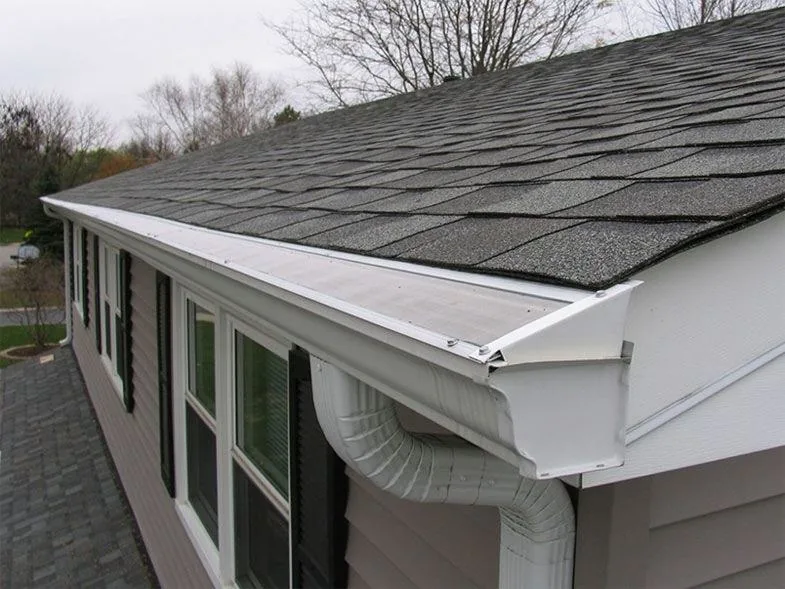
At its simplest, a gutter protection system is a fitted cover that lets rainwater in while keeping leaves and debris out. But the list of what it protects is long:
- The foundation. Overflowing water saturates the soil at the foundation line, causing settling and cracks, and in a hillside home it erodes the slope the house sits on.
- The basement and crawl space. Water that spills at the eaves is the water that ends up seeping through basement walls and into the crawl space.
- The fascia and siding. Constant overflow rots wooden fascia boards and stains siding, which is expensive to repair and ugly to look at.
- The roof edge. Ice dams that form in a clogged gutter push melt water back under the shingle line, into the attic and walls.
- The landscape. Uncontrolled spillover carves ruts through mulch beds and washes soil away from the house.
The Cincinnati Threats: Ice, Storms, and a Heavy Canopy
Cincinnati sits on the line between humid subtropical and humid continental, which means hot, humid summers and cold, wet winters in the same year. Roughly 23 inches of snow falls each season, concentrated in late winter, and the freeze-thaw cycles that follow keep expanding and contracting the gutters all winter. Every one of those swings is a chance for a clogged trough to hold melt water at the eaves, where it refreezes into ice dams and icicles. That is the region’s signature winter failure, and it starts with debris that never should have been allowed to settle.
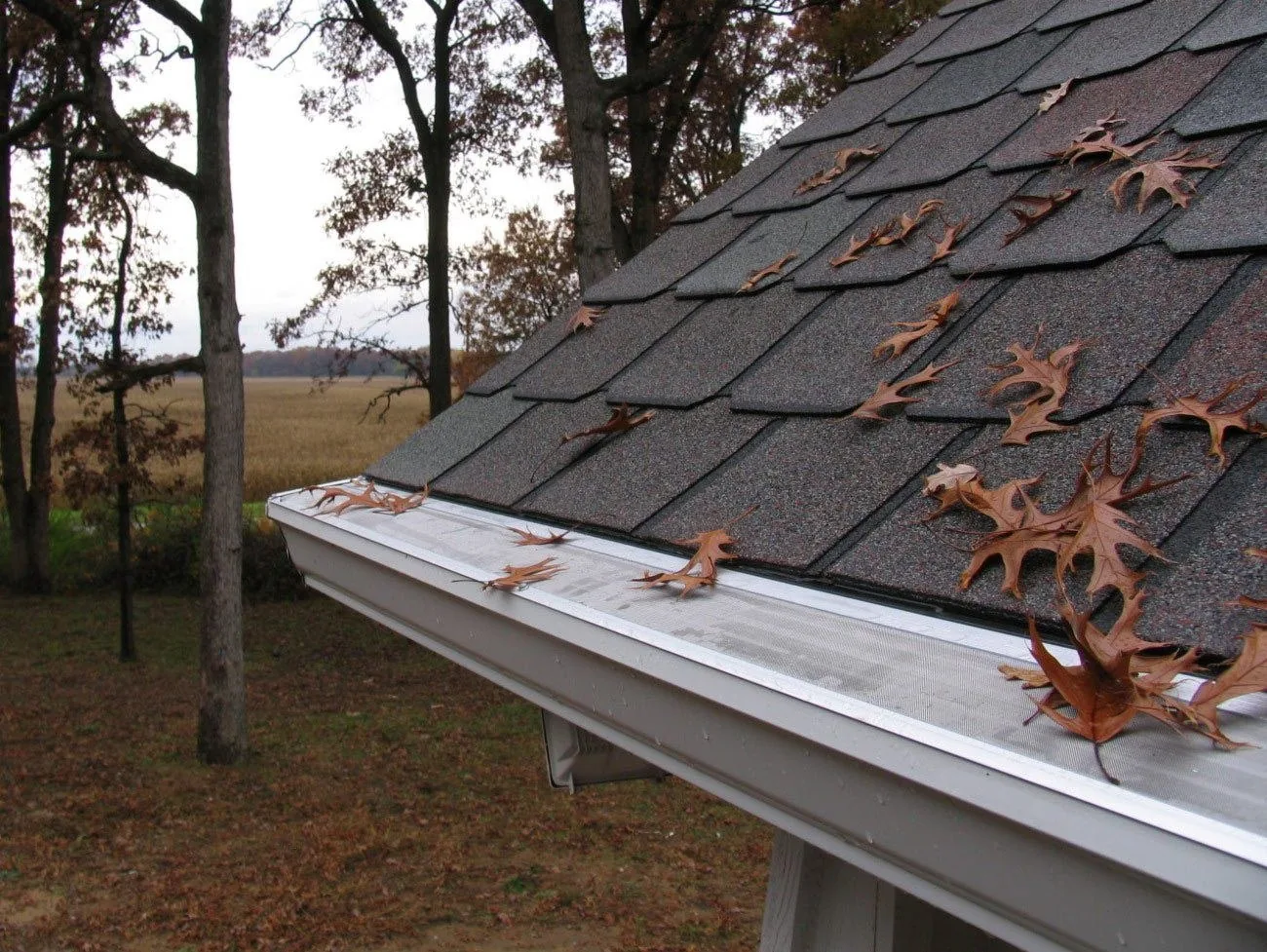
Spring and summer add the storm threat. Severe thunderstorms, large hail, and occasional tornadoes stress roofs and gutters, and each storm drops a fresh batch of twigs, leaf litter, and shingle grit into the trough. On top of that, the Ohio River Valley’s mature oaks, maples, ashes, sycamores, and sweetgums shed leaves across a long fall window and then add maple samaras, sweetgum seed balls, and spring catkins — a near-continuous debris load that gives an unprotected gutter no real off-season.
Standing Water, Mosquitoes, and Pests
A clogged gutter does not just hold leaves — it holds water. Slow-draining, debris-packed troughs become shallow pools that breed mosquitoes, the very standing-water habitat that pest-control guidance targets. The CDC’s mosquito prevention guidance stresses eliminating standing water around the home, and a neglected gutter is one of the most overlooked sources of it — especially through Cincinnati’s humid summers. Stagnant, organic-rich water in a trough also attracts other pests and gives mold and mildew a foothold at the roofline. A guard that keeps the channel draining is, in effect, a mosquito-prevention measure as much as a water-damage measure.
How Gutter Protection Works
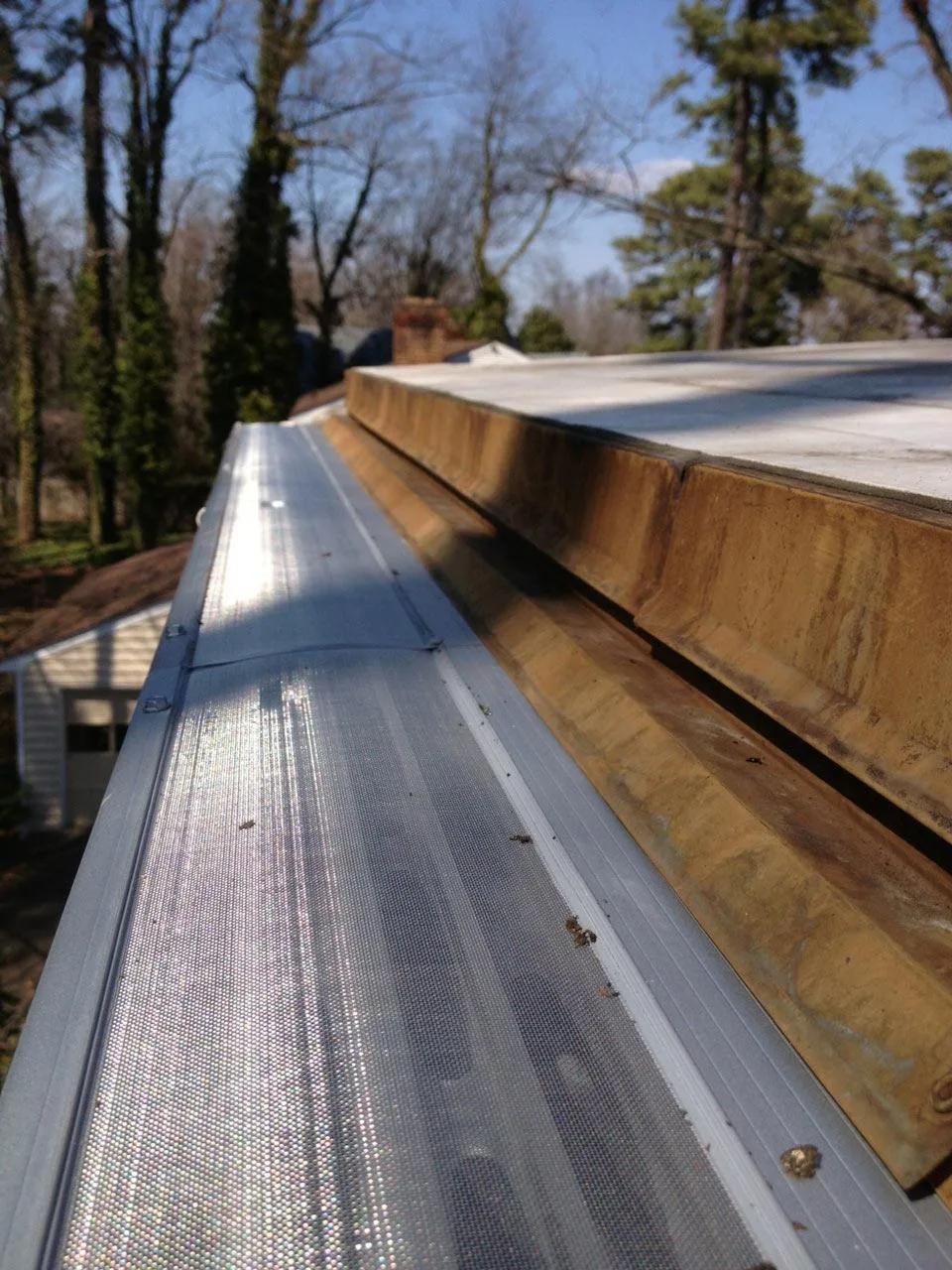
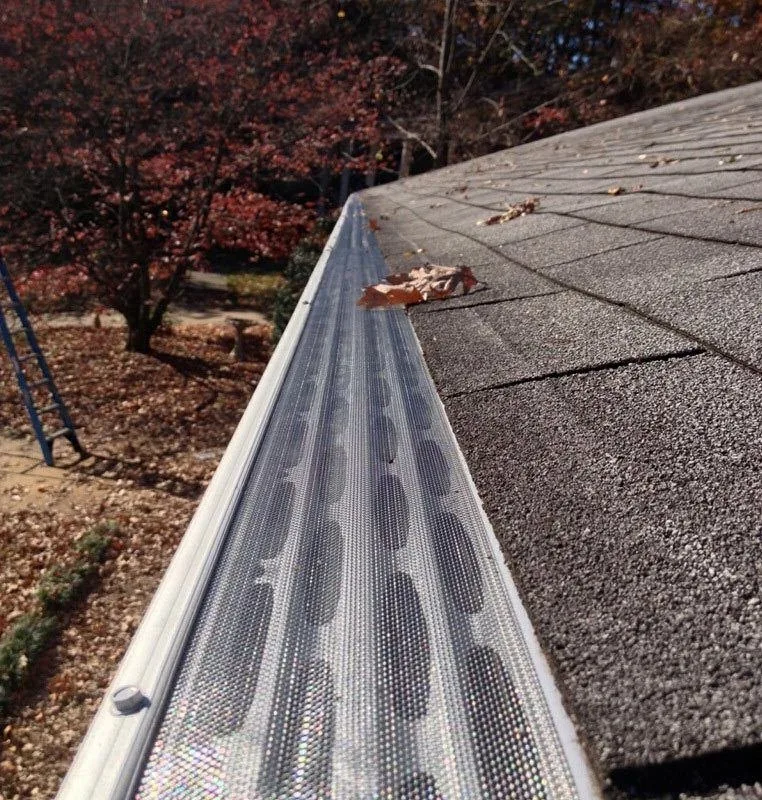
Not all protection is equal, and the mechanism matters. A fitted stainless steel micro-mesh guard uses surface tension to pull water through the mesh while leaves, samaras, and seed balls slide off the top. Because the openings are fine enough to block even small debris — while still passing storm rain at full flow — the gutter below stays clear without the guard itself becoming a dam. Cheaper alternatives — foam inserts, brush fillers, and flimsy snap-on covers — tend to collect silt inside the trough or clog at the surface, which just relocates the problem rather than solving it.
The GutterDome Lineup for Cincinnati Homes
GutterDome manufactures six protection systems to cover every Cincinnati roofline, gutter size, and tree condition, all built from extruded aluminum with surgical-grade stainless steel mesh:
- GutterDome (GD45) — a #40 mesh stainless steel screen (1,600 holes per square inch, 400 microns) in surgical-grade T304 stainless steel, for standard 4-inch to 5-inch gutters.
- GutterDome (GD67) — the same #40 mesh screen (1,600 holes per square inch, 400 microns), sized for larger 6-inch to 7-inch gutters.
- GutterDome Magma (GD45M) — a #20 mesh open-flow screen (400 holes per square inch, 842 microns) for high-water-flow areas, inside miters, and ice-prone spots.
- GutterDome Magma (GD67M) — the #20 mesh open-flow screen (400 holes per square inch, 842 microns) for larger 6-inch to 7-inch gutters.
- GutterDome Adjustable (GD45A) — a #40 mesh guard with a back wing for steep hillside pitches above 6/12, where a standard guard cannot tuck under the roofing.
- GutterDome uPVC (GD45P) — a white uPVC dome with a T304 stainless-steel plain-weave #30 mesh (900 holes per square inch, 595 microns), sealed with a 20-year silicone sealant.
Ready to find the right gutter guard for your Cincinnati home? Contact your local GutterDome Dealer today for a free, no-obligation estimate.
Protection vs. Repair: The Long-Term Math
Gutter protection is often framed as a cost, but the honest comparison is against the repair bills it prevents. Foundation settling, rotted fascia, basement water, and ice-dam repairs to the roof edge are each individually more expensive than a fitted guard, and they tend to arrive together after a few seasons of neglect. A guard installed once — and backed by a transferable 30-Year Lifetime Warranty — trades those recurring, compounding repair costs for a single upfront investment. It also removes the recurring ladder climbs that come with keeping an unprotected gutter clear.
Choosing the Right Level of Protection
The right system follows your roof, not a sales pitch. A heavily treed lot with maples and sweetgums calls for the finest mesh (GD45 or GD67). A steep hillside home in Cincinnati, Covington, or Newport above a 6/12 pitch calls for the Adjustable (GD45A). High-flow areas, inside miters, and ice-prone spots may call for the open-flow Magma line. A Dealer’s walkthrough sorts these choices in one visit. For more on the finest-mesh options, see our guide to micro mesh gutter guards for Cincinnati, OH homes.
Communities We Serve Across the Cincinnati Tri-State
GutterDome’s local Dealers protect homes throughout the Cincinnati metro, including Cincinnati, Mason, Middletown, Hamilton, Fairfield, Blue Ash, West Chester, Lebanon, Milford, and Loveland in Ohio; Covington, Newport, Florence, Erlanger, Independence, and Fort Thomas in Kentucky; and Lawrenceburg and Aurora in Indiana — across Hamilton, Butler, Clermont, Warren, and Brown counties in Ohio; Boone, Kenton, Campbell, Grant, Gallatin, Pendleton, and Bracken counties in Kentucky; and Dearborn, Franklin, and Ohio counties in Indiana. Explore our Cincinnati, OH gutter guard hub for the full picture.
Frequently Asked Questions
Q: Why does gutter protection matter in Cincinnati?
A: This region combines a heavy tree canopy, spring thunderstorms with large hail, and freeze-thaw winters that turn clogs into ice dams. Without protection, that combination damages the foundation, fascia, siding, basement, and roof edge.
Q: Can clogged gutters attract mosquitoes?
A: Yes. Slow-draining, debris-packed gutters hold standing water, which is exactly where mosquitoes breed. A guard that keeps the channel draining removes that habitat, especially through the region’s humid summers.
Q: Will gutter protection stop ice dams?
A: It removes the trigger. Ice dams form when a clogged gutter holds melt water at the eaves and it refreezes. A guard keeps the channel clear so melt water drains before it can refreeze and back up under the shingles.
Q: What is the difference between cheap covers and a fitted guard?
A: Cheap snap-on covers and foam inserts clog at the surface or collect silt inside the trough. A fitted stainless steel micro-mesh guard sheds debris from the top while passing rain at full flow, so the gutter stays clear.
Q: Is gutter protection worth the cost?
A: For most Cincinnati homes, yes. It prevents foundation, fascia, basement, and ice-dam repairs that are each more expensive than a guard, and it removes the recurring cost and risk of ladder cleanings.
Q: How long does GutterDome protection last?
A: GutterDome systems are built from extruded aluminum and surgical-grade stainless steel and are backed by a transferable 30-Year Lifetime Limited Warranty.
Protect your Cincinnati home before the next storm. Get a free price from a local GutterDome Dealer today.