The Best Gutter Guards for Indianapolis, IN Homeowners
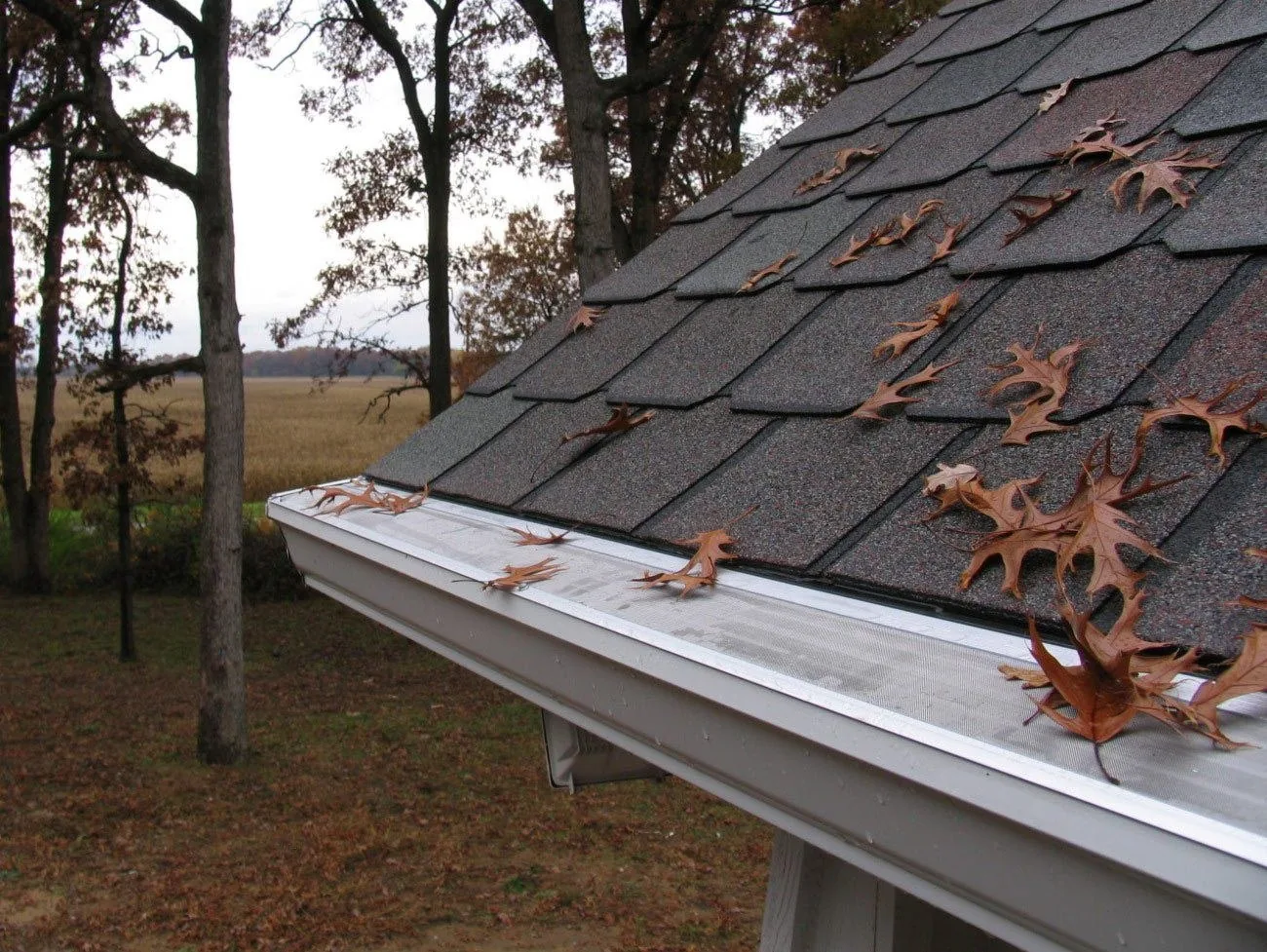
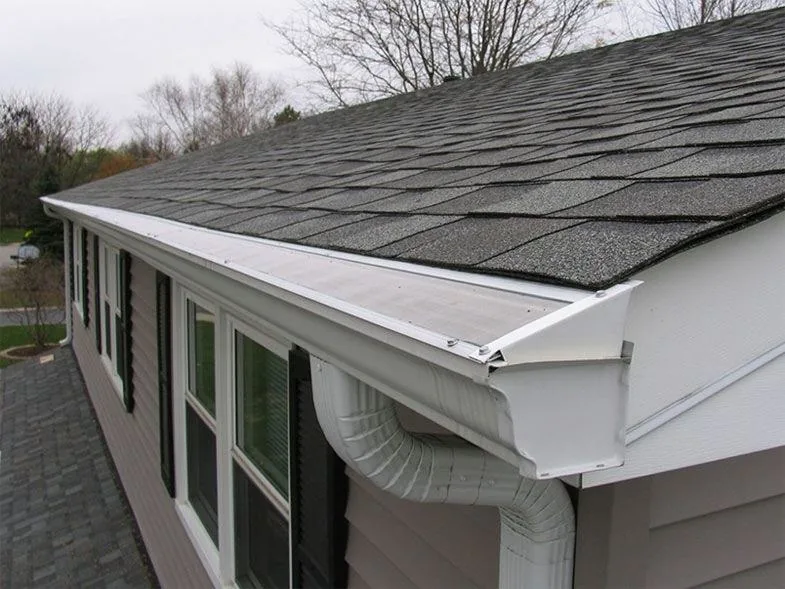
The best gutter guards for Indianapolis, IN homeowners are the ones built for what the Crossroads of America actually throws at a roofline: a dense hardwood canopy of sugar and silver maple, red and white oak, American elm, sycamore, and tulip poplar that drops a heavy leaf load every fall, cold wet winters defined by freeze-thaw cycles and freezing rain, and spring severe thunderstorms that bring hail and high winds. In practice, that means a fitted stainless steel micro-mesh screen over a rigid extruded aluminum frame — which is exactly what GutterDome builds. Flimsy snap-on covers and foam inserts fail within a season here; the guard that actually protects an Indianapolis home is the one that stops maple “helicopters” and shredded oak litter while still passing heavy rain at full flow.
Indianapolis’s housing stock sharpens that standard further. The metro spans a wide range of rooflines — from the historic bungalows and American foursquares of Marion County neighborhoods like Broad Ripple and Irvington to the newer planned subdivisions of Carmel, Fishers, and Westfield in Hamilton County. Most carry standard 5-inch K-style gutters, but pitch, tree cover, and gutter width vary house to house, which is why a precisely fitted guard beats a one-size-fits-all panel every time.
What Makes the Best Gutter Guard for an Indianapolis Home
A guard earns the title “best” in this market only if it does four things well:
- Blocks the small stuff. Indianapolis’s maples, oaks, elms, sycamores, and tulip poplars drop leaves, but it is the winged maple samaras, elm seed, and fine spring catkins that slip through slotted covers and wedge into downspouts.
- Passes storm rain at full flow. Spring and summer thunderstorms arrive fast and hard, and a guard that cannot drain quickly moves the problem from the gutter to the fascia and foundation.
- Survives freeze-thaw. Cold, wet winters bring repeated freeze-thaw cycles, freezing rain, and occasional ice storms that expand and contract a gutter all season. Cheap stamped steel rusts and warps; surgical-grade stainless does not.
- Stays put under wind and hail. Spring storms deliver hail and high winds that can dent and dislodge a flimsy guard. A rigid extruded aluminum frame with secure fasteners holds its shape.
Indianapolis’s Climate and Debris Load
Indianapolis has a humid continental climate — hot, humid summers and cold, wet winters — and the real strain on gutters comes from the pattern rather than any single event. A mature hardwood canopy, dominated by sugar and silver maple, red and white oak, American elm, sycamore, and tulip poplar (Indiana’s state tree), drops a heavy leaf load every October and November. The emerald ash borer has thinned the metro’s ash population, but maple and oak remain the primary gutter-clogging litter sources across the region, and the maple samaras that spin down every spring are the fine, sticky debris that defeats slotted shields.
Winter is the other test. Freeze-thaw cycles, freezing rain, and occasional ice storms drive ice-dam formation at the eaves, and water that refreezes inside a gutter joint pries it open a little more each season. Then come spring’s severe thunderstorms, which deliver hail and high winds that can dent gutters and knock loose a poorly fastened guard. A gutter guard in this market has to shed a sudden downpour, hold up under ice, and stay in place through wind-driven hail — all while the trees above never stop shedding.
Comparing the Main Gutter Guard Types
- Solid reverse-curve hoods. Wrap water over a curved nose. They handle big leaves but let samaras, elm seed, and pollen straight through, and can overshoot in a hard downpour.
- Snap-on covers and screens. Inexpensive and easy, but leak at corners, clog as they fill, and rust through within a few seasons of Indianapolis freeze-thaw.
- Foam and brush inserts. Sit inside the gutter and fill with silt, holding moisture against the gutter and stopping drainage entirely.
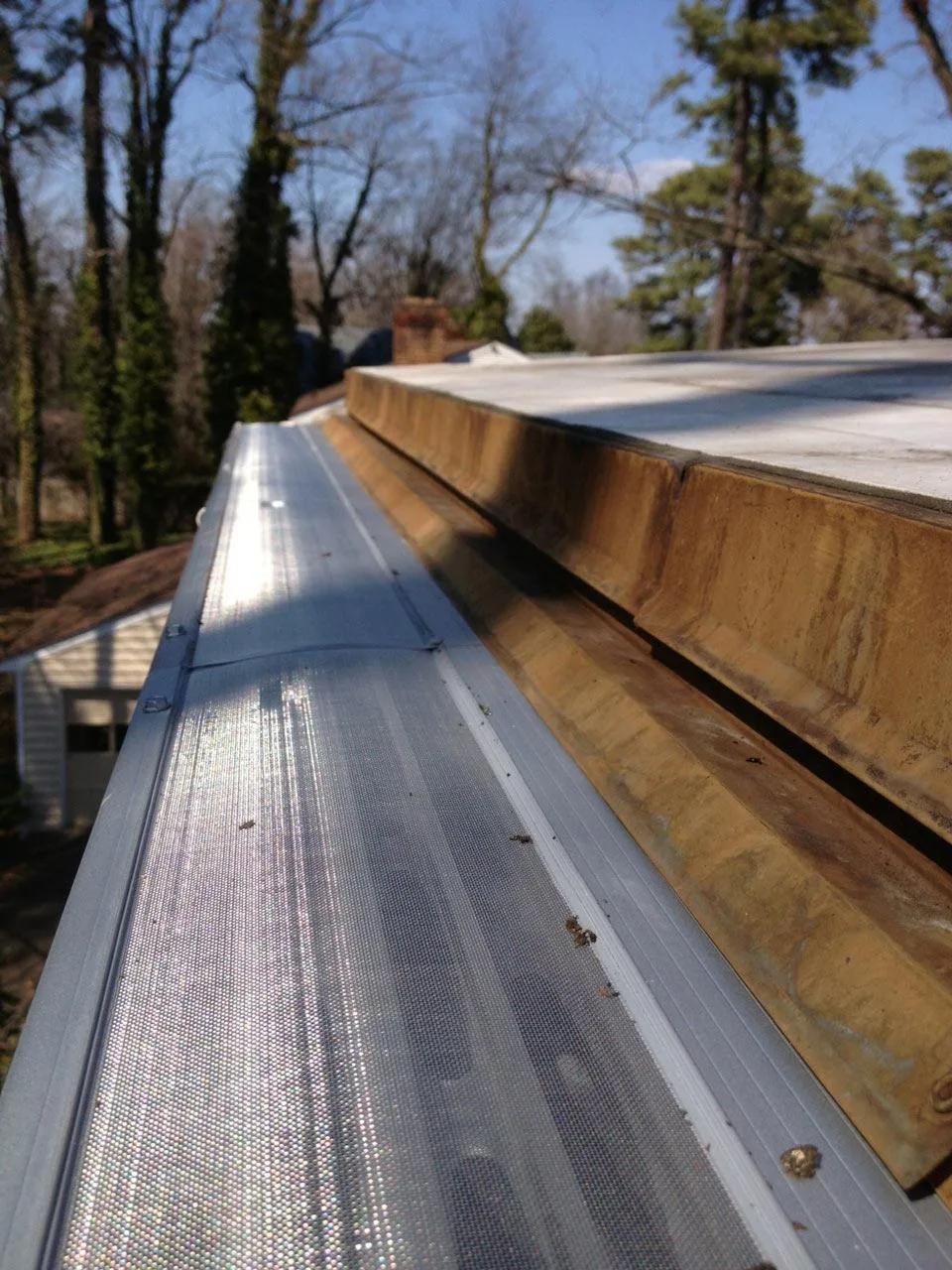
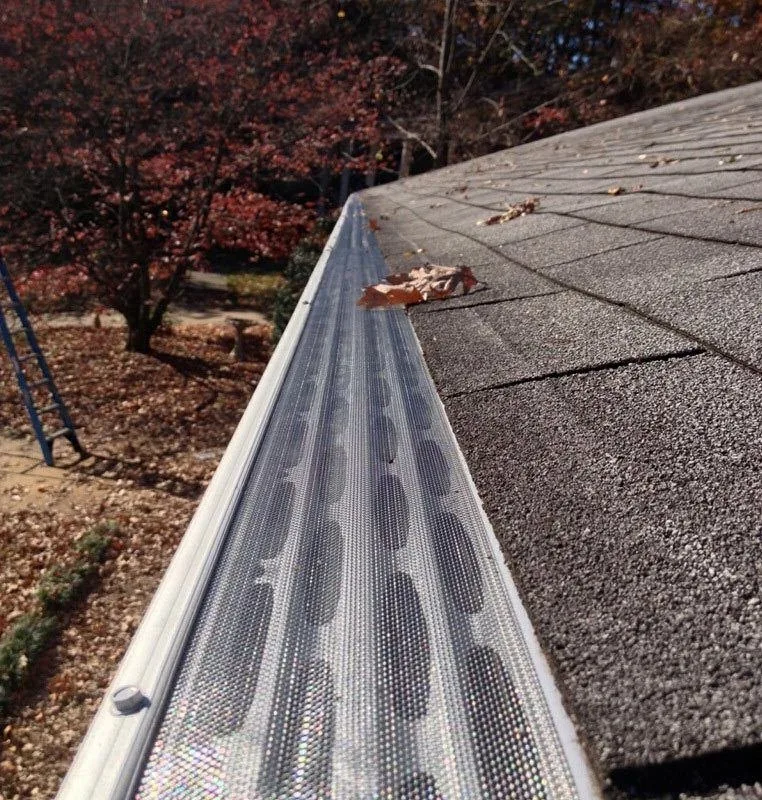
- Stainless micro mesh on an aluminum frame. Blocks the finest debris on top while passing high water volume below — the category that wins for Indianapolis’s leaf load, storm rain, and ice.
The GutterDome Lineup for Indianapolis Homes
GutterDome manufactures six systems to cover every Indianapolis roofline, gutter size, and tree condition, all built from extruded aluminum with surgical-grade stainless steel mesh:
- GutterDome (GD45) — a #40 mesh stainless steel screen (1,600 holes per square inch, 400 microns) in surgical-grade T304 stainless steel, for standard 4-inch to 5-inch gutters.
- GutterDome (GD67) — the same #40 mesh screen (1,600 holes per square inch, 400 microns), sized for larger 6-inch to 7-inch gutters.
- GutterDome Magma (GD45M) — a #20 mesh open-flow screen (400 holes per square inch, 842 microns) for high-water-flow areas, inside miters, and ice-prone spots.
- GutterDome Magma (GD67M) — the #20 mesh open-flow screen (400 holes per square inch, 842 microns) for larger 6-inch to 7-inch gutters.
- GutterDome Adjustable (GD45A) — a #40 mesh guard with a back wing for steep pitches above 6/12, where a standard guard cannot tuck under the roofing.
- GutterDome uPVC (GD45P) — a white uPVC dome with a T304 stainless-steel plain-weave #30 mesh (900 holes per square inch, 595 microns), sealed with a 20-year silicone sealant.
Ready to find the right gutter guard for your Indianapolis home? Contact your local GutterDome Dealer today for a free, no-obligation estimate.
How to Choose: Roof, Trees, and Gutter Size
Three questions point you to the right guard. First, what is over your roof? Dense maples and oaks call for the finest mesh (GD45 or GD67); an open, cleaner roofline can step down to a more open weave like the Magma line. Second, what is the pitch? Steep rooflines above 6/12 — common on the two-story and craftsman builds across Hamilton and Johnson counties — often need the Adjustable (GD45A). Third, what size are your gutters? Standard 4-inch to 5-inch runs take the GD45 or uPVC (GD45P); wider 6-inch to 7-inch runs take the GD67. A local GutterDome Dealer answers all three on a single walkthrough. For a closer look at how the install works, read our guide to gutter guard installation in Indianapolis, IN.
What the Best Gutter Guards Cost
Gutter guard pricing depends on your home’s linear feet of gutter, roofline complexity, and the model you choose, so the honest answer to “what does it cost?” is “it depends on your roof.” What is consistent is the value on the other side of the price. The Insurance Information Institute’s guide to protecting your home from water damage notes that water is among the most common and costly sources of home damage — and a clogged or overflowing gutter is exactly the kind of slow failure that invites it. A quality guard installed once, backed by a transferable 30-Year Lifetime Warranty, trades recurring cleaning and repair costs for a one-time investment.
Communities We Serve Across the Indianapolis Region
GutterDome’s local Dealers install the best gutter guards for homeowners throughout the Indianapolis metro, including Anderson, Avon, Brownsburg, Carmel, Fishers, Franklin, Greenfield, Greenwood, Indianapolis, Lebanon, Martinsville, Noblesville, Plainfield, Shelbyville, Westfield, and Zionsville — across Boone, Brown, Hamilton, Hancock, Hendricks, Johnson, Madison, Marion, Morgan, Shelby, and Tipton counties. Explore our Indianapolis, IN gutter guard hub for the full picture.
Frequently Asked Questions
Q: What is the best type of gutter guard for Indianapolis?
A: Fitted stainless steel micro mesh on a rigid aluminum frame. It blocks the region’s maple samaras, elm seed, and hardwood leaf litter while passing storm rain at full flow — something hooded guards and snap-on covers cannot do.
Q: Will a gutter guard handle an Indiana thunderstorm?
A: Yes, when it is built for it. A stainless micro-mesh guard sheds heavy rain fast, keeping water moving to the downspouts instead of overflowing at the fascia.
Q: Which guard is best for a steep roof?
A: The GutterDome Adjustable (GD45A). Its back wing lets it fit steep pitches above 6/12 where a standard guard cannot tuck under the roofing material.
Q: Do gutter guards survive Indianapolis ice and freeze-thaw?
A: Yes. GutterDome guards are built from surgical-grade stainless steel and extruded aluminum that hold up to freeze-thaw cycles, freezing rain, and ice without rusting or warping the way stamped steel does.
Q: Do the best gutter guards need any maintenance?
A: Minimal. Debris sheds from the top of the mesh, so a light rinse after the fall leaf drop or spring pollen season is usually all that is ever needed.
Q: How do I know which GutterDome system fits my home?
A: The local GutterDome Dealer will inspect your roof pitch, gutter size, and tree cover and recommend the specific system for your conditions — at no charge.
Get the gutter guard that is actually built for Indianapolis. Request a free estimate from a local GutterDome Dealer today.