Seamless Gutters: A Complete Guide
Seamless gutters are one of the most worthwhile upgrades a homeowner can make, and the reason holds up in every region of the United States and Canada. Whether you live under a dense hardwood canopy in the Northeast, a pine forest in the Pacific Northwest, a wind-driven rain corridor along the Gulf Coast, or a snow-and-ice belt across the northern states and Canadian provinces, your gutters face the same weak point: the seams where sectional gutters are joined. Seamless gutters — formed on-site from a single continuous run of aluminum with no seams along the length — eliminate the joints where leaks, rust, and ice damage most often begin. This complete guide to seamless gutters explains how they are made, why seams fail first, and how they pair with gutter protection.
Why Seams Fail First
Traditional sectional gutters are joined at seams every ten to twenty feet, and those seams are the weak link — no matter where in North America you live:
- Freeze-thaw stress: Water that seeps into a seam freezes and expands, prying the joint open a little more each cycle. After a few winters of swinging above and below freezing, the seam leaks.
- Heavy snow and ice load: Roof snow and ice add weight that pulls on joints and fasteners, accelerating separation.
- Debris catch points: Seams catch leaves, seed pods, and pine needles, creating localized clogs and standing water.
- Ice dams: A leaking seam feeds the ice-dam cycle at the eaves, pushing water under the shingle line and into the fascia.
- Rust and corrosion: Uncoated fasteners and cut edges at the seams corrode first, especially in coastal and salt-air climates.
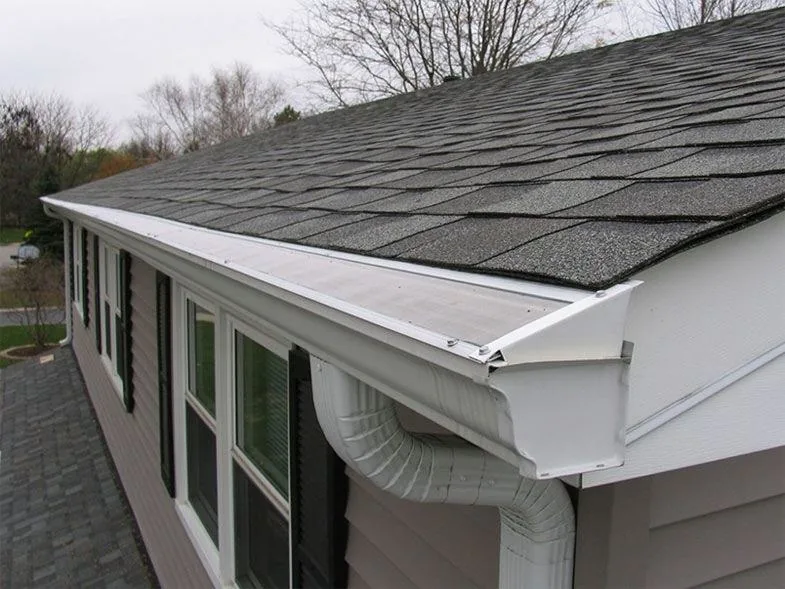
Seamless gutters remove the seams entirely. Formed on-site to the exact length of your eaves, they have no lengthwise joints to leak, rust, or catch debris — only the corners and downspout outlets, which are sealed at installation.
Seamless vs. Sectional Gutters
Sectional gutters ship in pre-cut lengths that a contractor snaps or screws together end to end, which is why they are common and inexpensive. Every one of those joints is a potential failure point — a place for water to drip, debris to catch, and corrosion to take hold. The more seams a run has, the more often it will need caulk, patching, or full replacement.
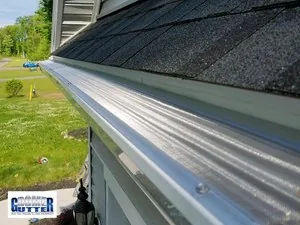
Seamless gutters are manufactured on-site with a mobile gutter machine that feeds a coil of aluminum through a former and extrudes a single, continuous trough cut to the exact length of each eave run. Because there are no lengthwise seams, there is nowhere for water to leak along the run and nothing for leaves and needles to snag on. The only connections are the corners and downspout outlets, which a professional seals at installation. That single change — removing the joints — is what gives seamless gutters their longer lifespan and lower-maintenance reputation.
The real tradeoff is mostly about installation method, not price. Sectional gutters are cheaper up front because they come off a shelf, but the recurring cost of caulking seams, patching leaks, and replacing corroded sections quietly erodes that savings over time. Seamless gutters cost a little more to have formed and installed on-site, but they require far less maintenance and typically last longer — which is why they are the standard recommendation for homeowners planning to stay in the home for years to come.
How Seamless Gutters Pair With Gutter Protection
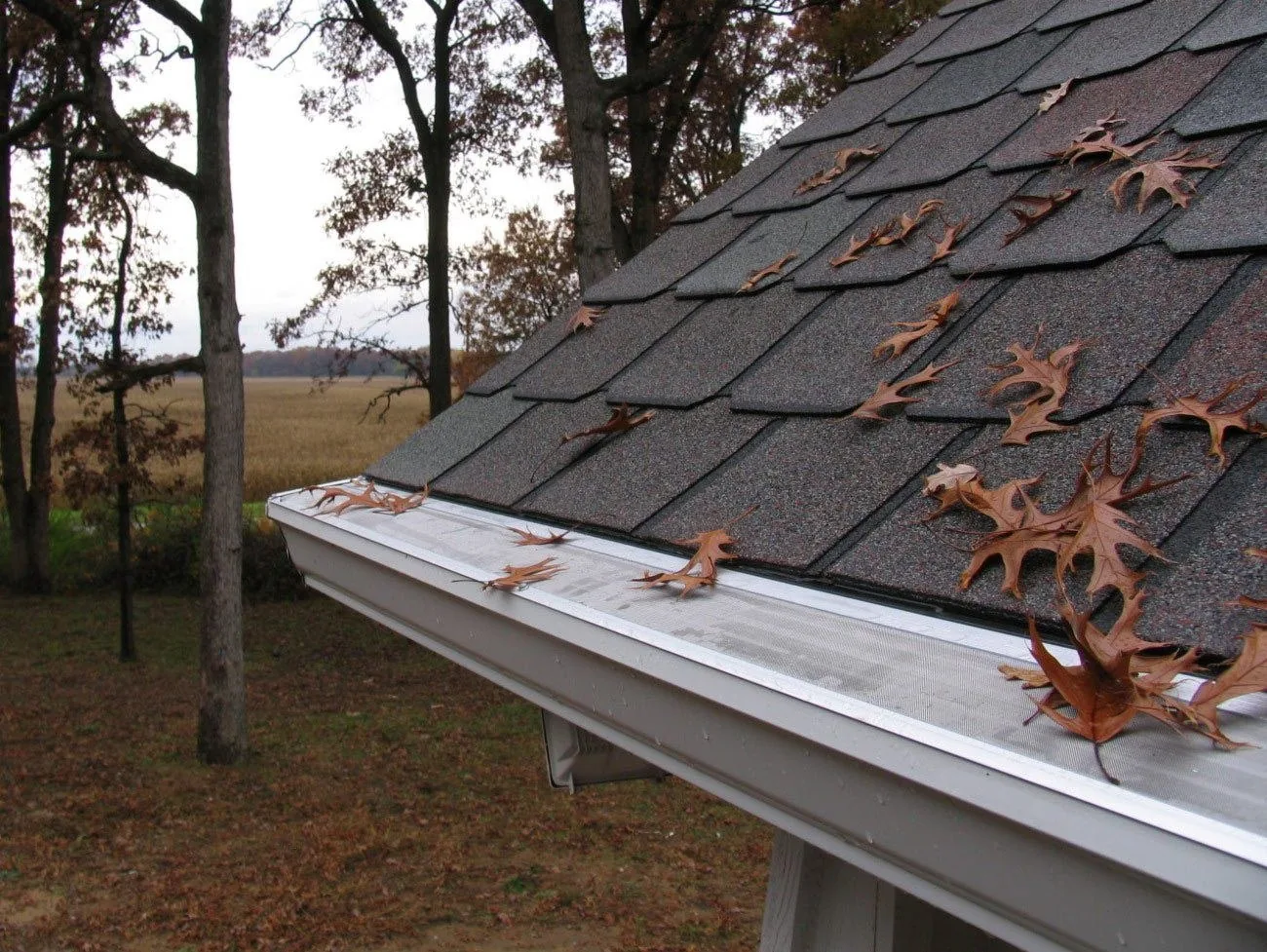
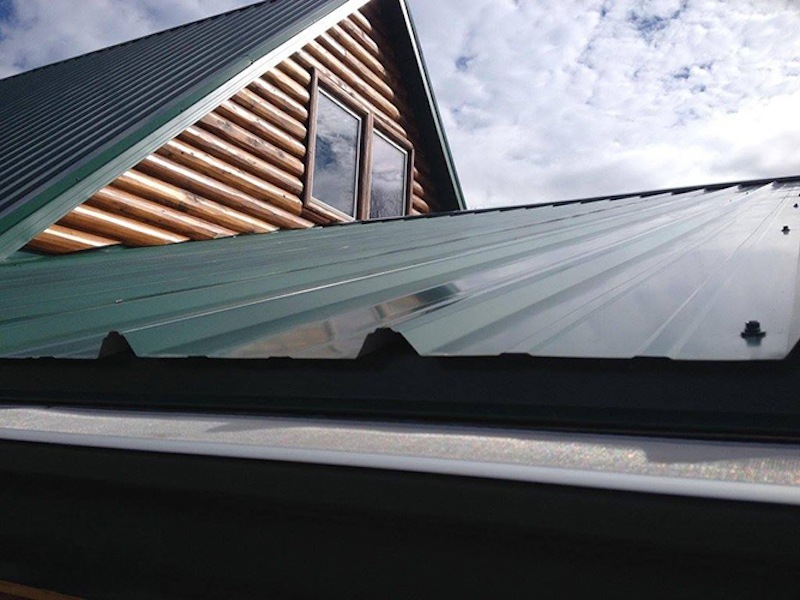
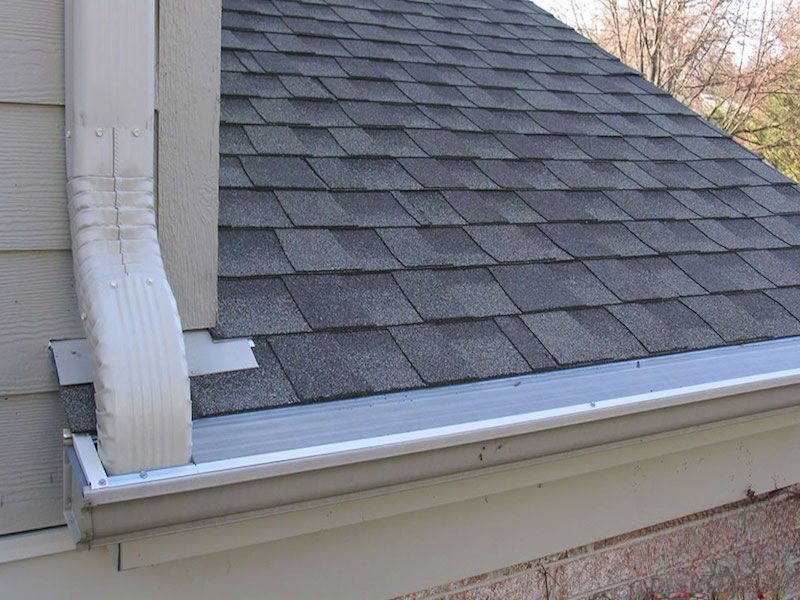
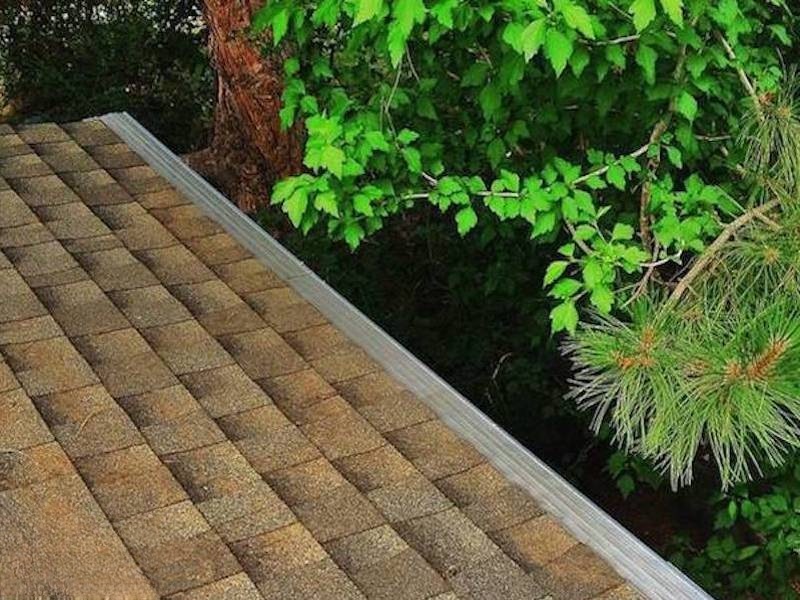
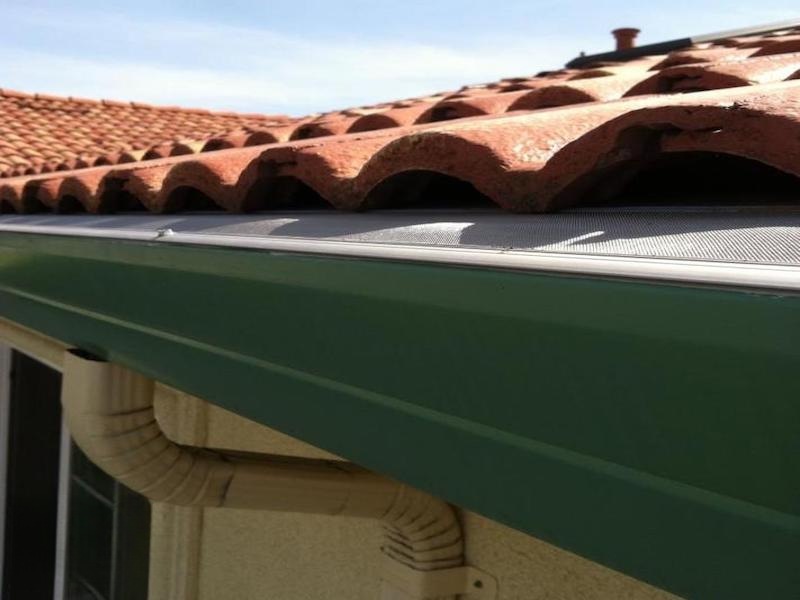
Seamless gutters solve the leak problem; gutter protection solves the clog problem. Pair the two and you get a gutter system that carries water away smoothly and stays clear of debris year-round. New seamless gutters plus a GutterDome micro-mesh guard means water flows through a smooth, joint-free trough that sheds leaves, pine needles, and storm debris over the edge. Here is the lineup your local GutterDome Dealer can combine with your new seamless gutters:
- GutterDome (GD45) — #40 mesh protection (1600 holes per square inch, 400 microns) for standard 4-inch to 5-inch gutters.
- GutterDome (GD67) — #40 mesh protection (1600 holes per square inch, 400 microns) for larger 6-inch to 7-inch gutters.
- GutterDome Magma (GD45M) — #20 mesh protection (400 holes per square inch, 842 microns) for inside and simulated miters, high-water-flow areas, and cold-weather regions, fitting 4-inch to 5-inch gutters.
- GutterDome Magma (GD67M) — #20 mesh protection (400 holes per square inch, 842 microns) for larger 6-inch to 7-inch gutters — the cold-weather choice that pairs with integrated heat-trace cable.
- GutterDome Adjustable (GD45A) — #40 mesh protection (1600 holes per square inch, 400 microns) with a back wing that sits narrower, for steep roof pitches above a 6/12 pitch.
- GutterDome uPVC (GD45P) — white uPVC with a T304 stainless-steel #30 mesh (900 holes per square inch, 595 microns), sealed with 20-year silicone and backed by a 20-Year Lifetime Limited Warranty.
Every GutterDome guard carries our 30-Year Lifetime Limited Warranty, which transfers automatically, one time, to the next owner. To see how the guards pair with a seamless install, browse our gutter guards lineup.
Ready to find the right gutter guard for your home? Contact your local GutterDome Dealer today for a free, no-obligation estimate.
Choosing the Right Size and Profile
Seamless gutters come in a range of sizes and profiles, and the right choice depends on your roof’s drainage area and your home’s style. Most homes across North America run K-style gutters, which carry more water than the older half-round shape and mount cleanly against the fascia; half-round remains a classic choice on period and historic homes. Your Dealer will size the trough and downspouts to your roof’s drainage area — a calculation that matters most in regions where heavy rain, rapid snowmelt, or a fast thaw can send a wall of water down the spouts at once. Well-planned gutters and downspouts also protect your landscaping and foundation from erosion, which is why proper drainage and grading go hand in hand with gutter work.
Materials, Finishes, and Longevity
Aluminum is the standard material for seamless gutters across North America, and for good reason: it will not rust the way uncoated steel will, it holds its shape through repeated freeze-thaw cycling, and it is light enough to form into long, continuous runs on-site. Thicker-gauge aluminum and a baked-on finish hold up better against snow weight, wind, and the occasional ladder bump, and seamless runs come in a wide range of colors matched to your trim so the upgrade disappears into the roofline. Because the gutter is formed as one continuous piece, there are no factory seams to caulk and re-caulk over the years — the single biggest maintenance difference between seamless and sectional gutters. Proper drainage and grading go hand in hand with gutter work, a principle the American Society of Landscape Architects reinforces when homeowners weigh drainage improvements around the property. With a GutterDome guard in place above, the trough below stays clear of the leaves and needles that would otherwise pack in and turn to heavy, flow-blocking sludge.
Related Gutter Guides
Frequently Asked Questions About Seamless Gutters
Q: Are seamless gutters worth it?
A: Yes. Seamless gutters eliminate the lengthwise joints where sectional gutters leak, rust, and catch debris, which means fewer repairs and less maintenance over the life of the home.
Q: How are seamless gutters installed?
A: They are formed on-site from a continuous coil of aluminum, cut to the exact length of each eave run. That means a precise fit with no seams along the length — only sealed corners and downspout outlets.
Q: What is the difference between seamless and sectional gutters?
A: Sectional gutters are joined end to end every ten to twenty feet, and each joint is a potential leak point. Seamless gutters are extruded as one continuous piece, so there are no lengthwise joints to fail.
Q: Can I add gutter guards to new seamless gutters?
A: Absolutely. Seamless gutters plus a GutterDome micro-mesh guard is the strongest combination — a smooth, joint-free trough that stays clear of leaves, needles, and storm debris.
Q: What material is best for seamless gutters?
A: Aluminum is the standard across North America. It resists rust, holds up to freeze-thaw cycling, and forms cleanly into long continuous runs. GutterDome guards pair with aluminum gutters for a fully corrosion-resistant system.
Q: What is the difference between K-style and half-round gutters?
A: K-style gutters, with their flat back and decorative front, carry more water and are the most common choice on modern homes. Half-round gutters are a classic look, often found on older or period homes, and carry slightly less volume for the same width.
Q: Is the guard warranty transferable?
A: Yes. GutterDome’s 30-Year Lifetime Limited Warranty transfers to the next homeowner, adding value to your home.
Ready to upgrade to seamless gutters with full protection?